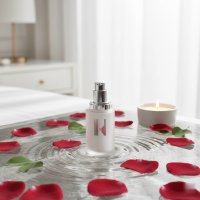
As someone who has spent over a decade immersed in the world of beauty and specifically, the fascinating realm of face primers, I’ve seen countless innovations come and go. Yet, few products deliver the transformative power quite like a tone adjusting face primer. It’s more than just a smoothing base; it’s your secret weapon for achieving truly balanced, radiant skin before any other makeup even touches your face. If you’ve ever wished your foundation looked more natural, lasted longer, or simply started on a more even playing field, you’re about to discover your new best friend in your makeup bag. Welcome to the ultimate guide from DSWCC, where we break down everything you need to know to master the art of color correction.
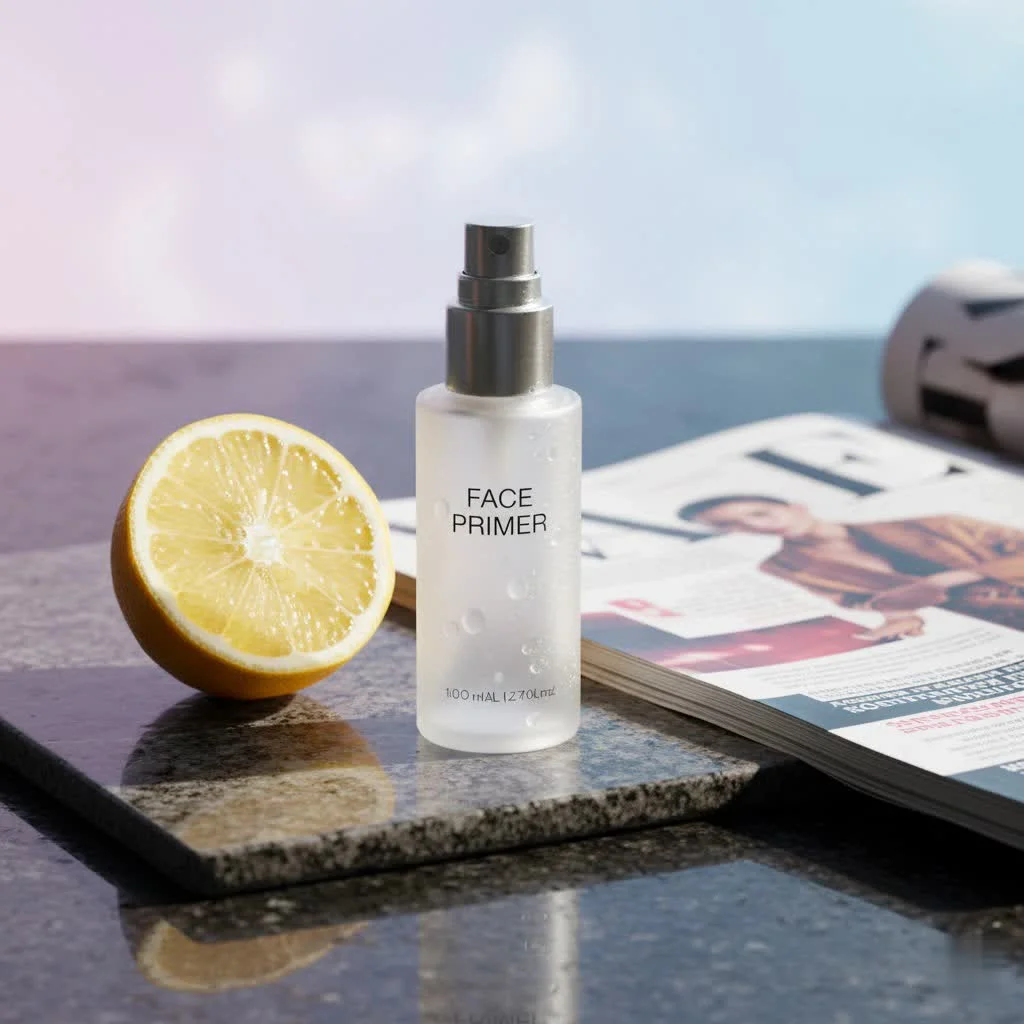
What is a Tone Adjusting Face Primer and Why Do You Need It?
At its core, a tone adjusting face primer is a specialized makeup base infused with subtle pigments designed to neutralize unwanted discolorations on your skin. Think of it as painting a perfect, uniform canvas before you begin your masterpiece. While traditional primers primarily focus on smoothing texture, minimizing pores, and extending makeup wear, tone adjusting formulas go a significant step further by actively correcting your skin’s undertones.
This magic happens thanks to the fundamental principles of the color wheel. Remember learning about complementary colors in art class? Green cancels out red, purple brightens yellow, and peach offsets blue. These primers apply this very science to your skin, creating an optical illusion that balances your complexion.
The benefits extend far beyond just looking good:
- Reduced Reliance on Heavy Makeup: By addressing discoloration upfront, you’ll find yourself needing less foundation and concealer. This leads to a lighter, more natural-looking finish that feels breathable.
- Extended Makeup Wear: Like all good primers, these formulas create a smooth, grippy surface, helping your foundation adhere better and last longer throughout the day without caking or creasing.
- Blurred Imperfections: Many tone adjusting formulas also contain blurring agents like silicones (dimethicone) that softly diffuse the appearance of fine lines and pores, giving you that coveted “soft-focus” effect.
- Skincare Synergy: A growing number of tone adjusting primers are formulated with skin-loving ingredients such as hyaluronic acid for hydration, niacinamide for brightening, or soothing extracts to calm sensitive skin.
“Tone adjusting primers are truly transformative,” says Dr. Anya Sharma, a renowned dermatologist and cosmetic chemist with two decades of experience. “They leverage color science to correct skin concerns at their root, allowing for a more natural makeup application and better skin health over time.”
Finding Your Perfect Match: A Color-by-Color Guide to Tone Adjusting Primers
Understanding which color-correcting primer to use is key to unlocking its full potential. Here’s a breakdown of the most common shades and what they address:
Green Primers: Banish the Red
|
Our Picks for the Best Face Primer in 2026
As an Amazon Associate I earn from qualifying purchases.
|
||
| Num | Product | Action |
|---|---|---|
| 1 | e.l.f. Power Grip Primer Mini, Gel-Based & Hydrating Face Primer For Smoothing Skin & Gripping Makeup, Moisturizes & Primes |

|
| 2 | e.l.f. Power Grip Primer + 4% Niacinamide, Gel-Based & Hydrating Face Primer, Evens Skin & Brightens, Grips Makeup, Vegan & Cruelty-Free, 0.8 Fl Oz |
|
| 3 | e.l.f. Power Grip Primer, Gel-Based & Hydrating Face Primer For Smoothing Skin & Gripping Makeup, Moisturizes & Primes, 0.811 Fl Oz (24 ml.) |
|
| 4 | e.l.f. Liquid Poreless Putty Primer, Lightweight Face Primer For Long-lasting Makeup Wear, Creates A Smooth Complexion, Vegan & Cruelty-free |
|
| 5 | 3 In 1Primer for Face Before Makeup,Sunscreen Isolation Cream, SPF 50, One Step Color Corrector Face Primer, Blurs Imperfections Oil Control & Moisturizing Skin Tone Correcting,Radiance Skin |
|
| 6 | e.l.f. Hydrating Face Primer, Makeup Primer For Flawless, Smooth Skin & Long-Lasting Makeup, Fills In Pores & Fine Lines, Vegan & Cruelty-free, Large |
|
| 7 | F.O.X STUNNING MAKEUP PRIMER-Green |
|
| 8 | LAURA GELLER NEW YORK Spackle Primer - Hydrate - Super-Size 2 Fl Oz - Hyaluronic Acid Makeup Primer for Mature Skin |
|
| 9 | Maybelline Grippy Serum Primer, Hydrating Makeup Primer with 2% Niacinamide For Up To 24HR Make Up Wear, Clear, 1 Count |
|
| 10 | e.l.f. Hydrating Face Primer, Makeup Primer For Flawless, Smooth Skin & Long-Lasting Makeup, Fills In Pores & Fine Lines, Vegan & Cruelty-free, Small |
|
Green is directly opposite red on the color wheel, making it the ultimate redness neutralizer. If you struggle with rosacea, active breakouts, post-acne marks, general redness, or even sensitivity that leaves your skin flushed, a green tone adjusting face primer is your go-to. It magically calms the visual intensity of red, providing a more even and serene complexion. Remember to apply green primarily to the areas of concern to avoid a ghostly cast.
Lavender/Purple Primers: Brighten and Revive Dullness
Feeling a bit sallow or yellow? A lavender or purple primer is designed to bring back the vibrancy. These shades are fantastic for counteracting unwanted yellow or dull, ashy tones, especially on lighter to medium skin tones. They inject a beautiful luminosity, leaving your skin looking refreshed, bright, and lively. If your complexion looks tired or lacks radiance, purple will be your secret weapon.
Peach/Orange Primers: Conceal Dark Circles and Hyperpigmentation
For deeper discolorations like persistent dark under-eye circles with blue or purple undertones, hyperpigmentation, or age spots, peach or orange primers are incredibly effective. These warm tones work to cancel out cool, shadowy areas, creating a more uniform base. Peach is often preferred for fair to medium skin, while deeper orange or apricot tones are excellent for medium to dark skin complexions, preventing an ashy finish.
Yellow Primers: Neutralize Blue and Brighten Fair Skin
On fair skin, tiny blue or purple veins can sometimes be visible, or undereye circles might lean more blue-ish. A yellow tone adjusting face primer can effectively mute these cool tones. It provides a subtle warmth that can brighten up the skin without adding a heavy layer of pigment. For deeper complexions, a touch of yellow can also be strategically used to add a beautiful highlight to the high planes of the face.
Pink Primers: Add Radiance and Warmth
If your skin looks a little lackluster or needs a boost of healthy glow, a pink primer is an excellent choice. Pink adds a soft, subtle warmth and luminosity, making tired skin appear more awake and youthful. It can also be wonderful for cool-toned skin that could benefit from a hint of natural flush.
Caramel Primers: Combat Ashiness in Deeper Tones
For individuals with richer, deeper skin tones, a caramel-tinted primer can be incredibly beneficial. These primers help to counteract any grayness or ashiness that might appear, especially when certain foundations are applied. They ensure that your complexion looks warm, vibrant, and true to its natural beauty.
Choosing Your Ideal Tone Adjusting Face Primer: A Step-by-Step Approach
Selecting the right tone adjusting face primer doesn’t have to be a guessing game. Here’s how to pinpoint your perfect match:
Know Your Skin’s Undertone
Understanding your skin’s undertone is foundational. Unlike your surface skin tone, which can change with sun exposure, your undertone remains constant:
- Cool: Veins on your wrist appear blue or purple. Silver jewelry flatters your skin more than gold. You tend to burn easily in the sun.
- Warm: Veins appear greenish. Gold jewelry looks best on you. You tend to tan rather than burn.
- Neutral: You see a mix of blue and green veins, and both silver and gold jewelry look equally good.
Identify Your Primary Skin Concern
Are you battling persistent redness? A general dullness? Dark spots? Be specific about the discoloration you want to neutralize. This will directly guide you to the right color-correcting shade. For instance, if redness is your main concern, a green primer is the obvious choice.
Match Primer to Skin Type
Just like any other skincare or makeup product, your primer should complement your skin type:
- Oily Skin: Look for mattifying, oil-free, or silicone-based tone adjusting primers. Ingredients like silica can help absorb excess sebum and control shine.
- Dry Skin: Opt for hydrating formulas that contain ingredients like hyaluronic acid. These will prevent your skin from feeling tight and create a smooth, moisturized base.
- Sensitive Skin: Seek out gentle, fragrance-free primers designed to soothe rather than irritate. Look for calming ingredients like centella asiatica.
- Acne-Prone Skin: Choose non-comedogenic formulas that won’t clog pores. Green-tinted primers are often ideal for addressing redness associated with breakouts.
The Jawline Test: Swatch and See
Never test a primer on your wrist. The skin there is different from your face. Apply a small amount of the tone adjusting face primer along your jawline or a problematic area on your face. Blend it well and observe it in natural daylight. Does it seamlessly disappear, or does it leave an unnatural cast? Wait 5-10 minutes to see how the product settles and oxidizes on your skin.
Expert Tip: Primer Shade vs. Foundation Shade
A common misconception is that your primer should match your foundation shade. In reality, your primer should aim to match your natural skin tone or be slightly lighter. Its purpose is to create a neutral base for your foundation, allowing your foundation to appear true-to-color, not to provide additional coverage in a matching shade.
How to Master the Application of Tone Adjusting Face Primer
Proper application is crucial for maximizing the benefits of your tone adjusting face primer.
Step 1: Prep Your Canvas
Always start with a clean, moisturized face. A well-hydrated canvas allows the primer to spread evenly and perform optimally. Allow your moisturizer to fully absorb for a minute or two before applying primer.
Step 2: Less is More
This is perhaps the most important rule for any primer, especially color-correcting ones. A pea-sized amount is usually sufficient for your entire face. Applying too much can lead to pilling, a heavy feeling, or an unnatural tint.
Step 3: Blend with Precision
Dispense a small amount onto your fingertips. Gently dab and blend the primer evenly over the areas you want to correct. For targeted concerns like redness around the nose or blemishes, you can focus the application precisely there. Use gentle, circular motions, ensuring a smooth, translucent finish. You want the color to neutralize, not to be visibly opaque.
Wearing It Alone vs. Under Makeup
Many people adore wearing tone adjusting face primer on its own, especially on “no-makeup makeup” days. It can instantly make your skin look more balanced, polished, and naturally perfected without the need for foundation. Of course, it also serves as an excellent base for foundation, helping it glide on smoothly and last all day.
Common Primer Pitfalls and How to Avoid Them
Even with the best intentions, it’s easy to make mistakes that diminish the effectiveness of your primer.
- Using Too Much Product: As mentioned, over-applying can result in a thick, cakey look or cause your foundation to pill. Stick to a tiny amount.
- Not Blending Properly: Haphazard blending can leave streaks or patches of color, especially with green or purple primers. Take your time to ensure a seamless transition into your skin.
- Choosing the Wrong Color: Using a green primer for sallowness, for example, won’t yield the desired results and might even make your skin look off. Always match the corrective color to your specific discoloration.
- Ignoring Your Skin Type: A mattifying primer on dry skin can emphasize flakes, while a hydrating primer on oily skin might lead to excessive shine. Always align your primer’s formulation with your skin’s needs.
The DSWCC’s Top Picks and Ingredients to Look For
When exploring the market for your ideal tone adjusting face primer, keep an eye out for brands that prioritize effective formulations. While we at DSWCC always champion clean beauty, look for products free from common irritants like parabens, phthalates, and harsh fragrances, especially if you have sensitive skin.
Key ingredients to appreciate include:
- Silicones (like Dimethicone and Cyclopentasiloxane): These create a silky, smooth canvas, blur imperfections, and help makeup adhere. Modern silicones are breathable and don’t typically clog pores.
- Silica: Excellent for oily skin types, as it helps absorb excess oil and provides a mattifying effect.
- Glycerin or Hyaluronic Acid: Perfect for dry skin, providing essential hydration to keep the skin plump and smooth.
- Soothing Botanicals (like Centella Asiatica or Chamomile): Found in primers designed for sensitive or redness-prone skin, these ingredients offer calming benefits.
Always read ingredient lists to ensure the product aligns with your personal skin needs and values.
FAQs about Tone Adjusting Face Primer
Can I wear tone adjusting primer alone?
Absolutely! Many people wear tone adjusting primers on their own for a subtle, natural look that evens out their complexion without full coverage makeup.
How much primer should I use?
A pea-sized amount is typically enough for your entire face. For targeted correction, you may need even less for specific areas.
What’s the difference between a regular primer and a tone adjusting primer?
Regular primers primarily focus on smoothing skin texture, blurring pores, and extending makeup wear. Tone adjusting primers do all of that, but they also incorporate color-correcting pigments to neutralize specific skin discolorations like redness or sallowness.
How long does tone adjusting primer last?
Most high-quality tone adjusting primers are formulated to last throughout the day, often for 8-12 hours, ensuring your makeup stays fresh and your complexion remains balanced.
Can tone adjusting primer cause breakouts?
Like any makeup product, a primer can potentially cause breakouts if it’s not suited for your skin type or if you don’t cleanse your face properly. Look for non-comedogenic formulas, especially if you have acne-prone skin, and always remove your makeup thoroughly before bed.
Conclusion
Embracing a tone adjusting face primer is a game-changer for anyone seeking a truly perfected and radiant complexion. By understanding the power of color theory and choosing the right shade and formulation for your unique skin concerns and type, you can unlock a flawless canvas that not only looks incredible but also helps your makeup perform at its very best. Don’t be afraid to experiment and discover the transformative magic of these versatile primers. Your journey to confident, beautiful skin starts here, and we at DSWCC are thrilled to be your trusted guide. Share your experiences and insights with our community – let’s perfect our prime together!
Pet products vetted on real animals
Practical specs, not advice. Unsubscribe anytime.