A silicone-based face primer is a crucial product for achieving a flawless, long-lasting makeup complexion, especially for those seeking to minimize pores, smooth skin texture, and extend makeup wear. These primers utilize silicone polymers like dimethicone to create a breathable barrier on the skin, blurring imperfections and providing a silky-smooth canvas for foundation. With over a decade of industry experience, I’ve found this product to be a true major upgrade for a polished finish.
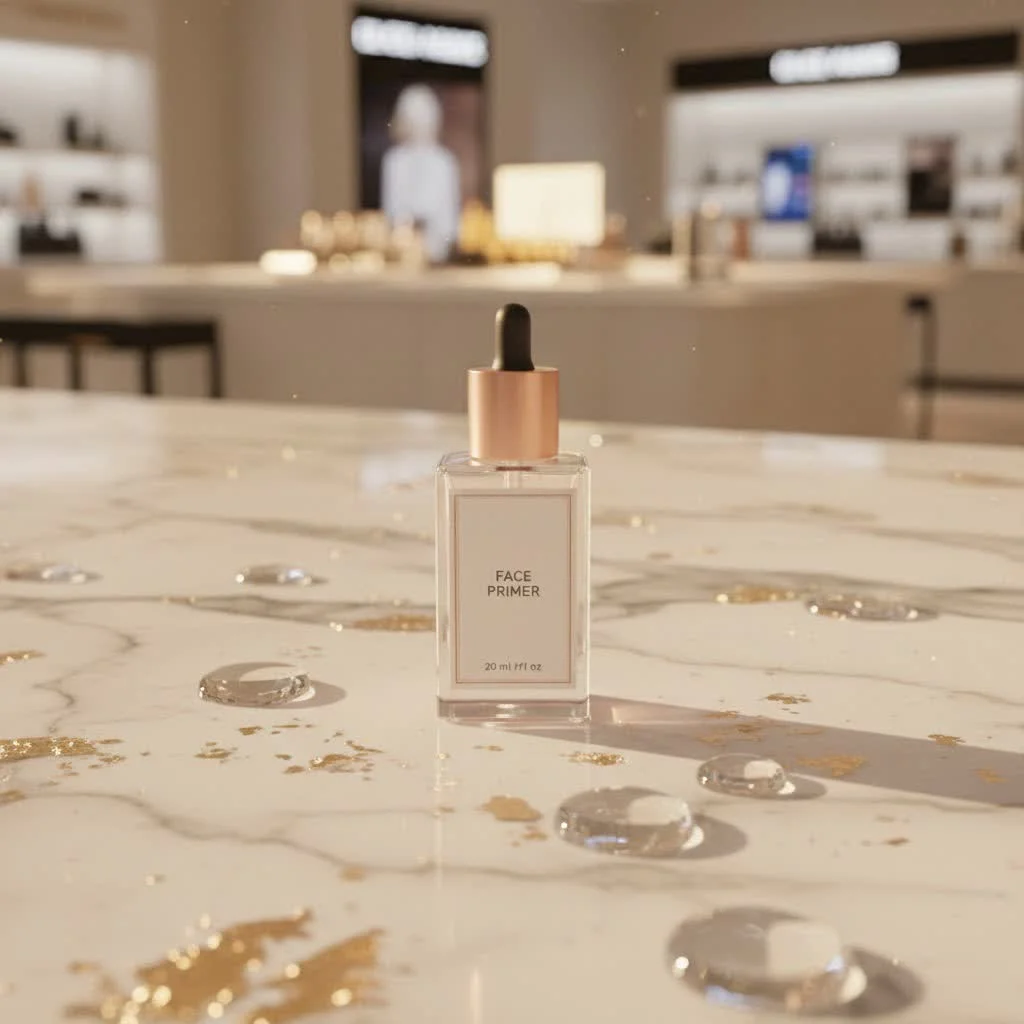
What Makes Silicone-Based Face Primer So Special?
Think of your skin as a canvas. Just as an artist preps their canvas before painting, a silicone-based face primer preps your skin, creating an optimal surface for makeup application. Its unique formulation sets it apart from other primers, offering distinct advantages that can truly improve your makeup game. For see our face primer recommendations on this site.
Understanding the Magic of Silicones
At its core, a silicone-based face primer use the power of silicone polymers. Ingredients you’ll often spot near the top of the list include dimethicone, cyclopentasiloxane, and phenyl trimethicone. These aren’t just fancy chemical names; they are the workhorses that give silicone primers their signature feel and performance. They form a breathable, flexible barrier on the skin’s surface, effectively filling in fine lines and blurring the appearance of enlarged pores without clogging them. This creates an incredibly smooth texture that reflects light evenly, giving you that coveted “soft-focus” or airbrushed effect.
Unveiling the Benefits: Why Choose a Silicone-Based Primer?
The advantages of incorporating a silicone-based face primer into your routine are plentiful, especially if you’re looking for specific results:
- Pore Minimization and Texture Smoothing: This is often the primary reason people reach for silicone primers. The silicones temporarily fill in uneven skin texture, making pores appear significantly smaller and skin look smoother. It’s like a real-life filter for your face, creating a velvety canvas.
- Extended Makeup Wear: By forming a barrier between your skin and your foundation, silicone primers act as a shield, preventing natural oils, sweat, and humidity from breaking down your makeup throughout the day. This means your foundation, concealer, and contour stay put for hours longer, looking as fresh as when you first applied them.
- Oil Control and Reduced Shine: For those battling oily or combination skin, a silicone-based face primer can be a lifesaver. Many formulations include lightweight, oil-absorbing substances that help regulate sebum production and soak up excess oil, providing a matte or satin finish that keeps shine at bay.
- Effortless Foundation Application: The silky, slippery texture of silicone primers allows your foundation to glide on seamlessly and evenly. This prevents patchiness and ensures your coverage looks uniform and polished, reducing the amount of foundation you might typically need.
Is a Silicone-Based Face Primer Right for Your Skin?
While silicone primers offer remarkable benefits, it’s important to understand if they align with your skin type and concerns.
Ideal Skin Types for Silicone Primers
|
Our Picks for the Best Face Primer in 2026
As an Amazon Associate I earn from qualifying purchases.
|
||
| Num | Product | Action |
|---|---|---|
| 1 | e.l.f. Liquid Poreless Putty Primer, Lightweight Face Primer For Long-lasting Makeup Wear, Creates A Smooth Complexion, Vegan & Cruelty-free |

|
| 2 | Maybelline Grippy Serum Primer, Hydrating Makeup Primer with 2% Niacinamide For Up To 24HR Make Up Wear, Clear, 1 Count |
|
| 3 | e.l.f. Power Grip Primer + 4% Niacinamide, Gel-Based & Hydrating Face Primer, Evens Skin & Brightens, Grips Makeup, Vegan & Cruelty-Free, 0.8 Fl Oz |
|
| 4 | LAURA GELLER NEW YORK Spackle Primer - Hydrate - Super-Size 2 Fl Oz - Hyaluronic Acid Makeup Primer for Mature Skin |
|
| 5 | e.l.f. Power Grip Primer, Gel-Based & Hydrating Face Primer For Smoothing Skin & Gripping Makeup, Moisturizes & Primes, 0.811 Fl Oz (24 ml.) |
|
| 6 | e.l.f. Hydrating Face Primer, Makeup Primer For Flawless, Smooth Skin & Long-Lasting Makeup, Fills In Pores & Fine Lines, Vegan & Cruelty-free, Small |
|
| 7 | 3 In 1Primer for Face Before Makeup,Sunscreen Isolation Cream, SPF 50, One Step Color Corrector Face Primer, Blurs Imperfections Oil Control & Moisturizing Skin Tone Correcting,Radiance Skin |
|
| 8 | e.l.f. Hydrating Face Primer, Makeup Primer For Flawless, Smooth Skin & Long-Lasting Makeup, Fills In Pores & Fine Lines, Vegan & Cruelty-free, Large |
|
| 9 | e.l.f. Power Grip Primer Mini, Gel-Based & Hydrating Face Primer For Smoothing Skin & Gripping Makeup, Moisturizes & Primes |
|
| 10 | F.O.X STUNNING MAKEUP PRIMER-Green |
|
- Oily Skin: Absolutely! Silicone primers excel at controlling shine and providing a matte base that helps makeup adhere better and last longer on oily complexions.
- Combination Skin: If your T-zone gets oily while other areas are normal or slightly dry, you can strategically apply a silicone primer to your oily zones to balance out shine.
- Textured Skin or Large Pores: If you’re concerned about visible pores or an uneven skin texture, the blurring and smoothing properties of silicone primers will be your best friend.
- Mature Skin: Silicone-based primers can soften the appearance of fine lines and wrinkles, creating a more youthful and smooth canvas without emphasizing dry patches, especially when paired with adequate moisturization.
- Anyone Seeking Long-Wear Makeup: For special events, long workdays, or humid climates, a silicone-based face primer is indispensable for ensuring your makeup remains pristine.
When to Consider Alternatives (or be Cautious)
While versatile, silicone primers aren’t a universal solution for every skin type or makeup routine.
- Very Dry Skin (without proper hydration): If your skin is excessively dry, applying a silicone primer without adequate moisturization beforehand could potentially accentuate dry patches. Always prep with a good hydrating moisturizer.
- Extreme Sensitivity: While generally non-comedogenic, some individuals might find certain silicone formulations irritate very sensitive skin. Patch testing is always recommended.
- Incompatibility with Water-Based Foundations: This is a crucial point! Silicone primers and water-based foundations generally don’t mix well. The water will try to repel the silicone, often leading to pilling, crumbling, or makeup separation. Always aim to pair a silicone primer with a silicone-based foundation for the best results.
“The secret to unlocking truly long-lasting, flawless makeup often lies in your primer choice. A well-chosen silicone-based face primer acts like a gentle, smoothing whisper across your skin, setting the stage for a masterpiece.” – Anya Sharma, DSWCC Lead Makeup Artist.
Your Step-by-Step Guide to Applying Silicone-Based Face Primer Flawlessly
Mastering the application of your silicone-based face primer is key to unlocking its full potential. It’s not just about slapping it on; it’s a careful dance with your skincare and other makeup products.
Prepping Your Canvas: Skincare First
Before reaching for your primer, ensure your skin is clean, toned (if you use one), and thoroughly moisturized. This step is non-negotiable! Allow your moisturizer (and any serums or sunscreen) to fully absorb into your skin for at least 3-5 minutes. Applying primer over damp skincare can lead to pilling and an uneven finish.
The Art of Application: Less Is More
Silicone primers are potent, and a little goes a very long way.
- Start Small: Squeeze a pea-sized amount onto the back of your hand or your fingertips. Resist the urge to use more – over-application is a common mistake that can lead to issues.
- Warm It Up: Gently rub the primer between your index and middle fingers for a few seconds. This helps to warm the product, making it spread more smoothly.
- Press, Don’t Rub: Begin applying the primer to the center of your face, where pores are often most visible (like your T-zone). Gently press or tap the primer into your skin using light, outward motions. Avoid aggressive rubbing, which can cause friction and lead to pilling.
- Targeted Application: Focus on areas where you want to blur pores, smooth texture, or control shine. This could be your nose, forehead, chin, and cheeks.
The Crucial Waiting Game
This step is often overlooked but is vital for optimal performance. After applying your silicone-based face primer, allow it to set for at least 30-90 seconds. You’ll feel it transform into a soft, velvety finish. This setting time ensures the primer creates that smooth, even barrier and “grips” to your skin, ready for your foundation. Rushing this step can result in your foundation not adhering properly.
Avoiding Common Pitfalls with Silicone-Based Face Primer
Even with the best intentions, some common mistakes can hinder your silicone primer’s effectiveness. But don’t worry, they’re easily fixable!
The Dreaded Pilling Effect and How to Stop It
Pilling (when your makeup rolls off in tiny balls) is a frustrating experience. It usually happens for a few reasons:
- Over-application: Using too much silicone-based face primer. Stick to a pea-sized amount.
- Not letting skincare absorb: Ensure your moisturizer and sunscreen are fully absorbed before primer application.
- Excessive rubbing: Gently press the primer into your skin instead of rubbing vigorously.
- Incompatible layers: As mentioned, water-based foundations over silicone primers can cause issues.
Foundation Faux Pas: Matching Your Base
The golden rule for primers and foundations is “like with like.” For a silicone-based face primer, always try to pair it with a silicone-based foundation. How to tell? Look for ingredients ending in “-cone,” “-methicone,” or “-siloxane” high up in the ingredient list of your foundation. Mixing different bases often leads to separation, patchiness, or your makeup sliding off.
Ensuring a Clean Slate: Preventing Breakouts
While modern silicone primers are largely non-comedogenic (meaning they won’t clog pores), it’s still crucial to thoroughly cleanse your face at the end of each day. Silicones create a barrier, which is great for makeup longevity, but it also means effectively removing all makeup and primer is essential to prevent buildup and potential breakouts, especially for those with acne-prone skin.
Top Picks: Popular Silicone-Based Face Primers to Consider
The market is brimming with fantastic silicone-based primers. Here are a few notable examples renowned for their smoothing and blurring capabilities:
- Smashbox Photo Finish Foundation Primer: A cult classic, loved for its ability to create an incredibly smooth canvas and blur pores.
- Benefit The POREfessional Face Primer: A staple for those focused on minimizing the appearance of large pores and achieving a matte finish.
- Fenty Beauty Pro Filt’r Instant Retouch Primer: Known for its lightweight feel and ability to combat shine, making it great for oily skin types.
- The Ordinary High-Adhesion Silicone Primer: An excellent, affordable option that provides blurring and mattifying benefits.
Frequently Asked Questions About Silicone-Based Face Primer
Let’s address some of the most common questions I hear about this powerhouse product.
Q: Can I use silicone primer every day?
A: Yes, you can typically use a silicone-based face primer daily, especially if it’s non-comedogenic. However, always ensure you cleanse your skin thoroughly at the end of the day to prevent product buildup.
Q: How do I know if my primer is silicone-based?
A: Check the ingredient list! Look for words ending in “-cone,” “-methicone,” or “-siloxane” (e.g., dimethicone, cyclopentasiloxane) among the first few ingredients. The texture will also often feel silky, velvety, or slippery.
Q: What type of foundation works best with silicone primer?
A: Silicone-based foundations are your best bet. They will blend seamlessly with your silicone-based face primer, creating a cohesive, long-lasting base without pilling or separating.
Q: Can silicone primers clog pores?
A: Modern silicone primers are generally formulated to be non-comedogenic, meaning they are designed not to clog pores. However, individual skin reactions vary, and thorough cleansing is always important to remove all makeup and primer.
Q: How much silicone primer should I use?
A: A pea-sized amount is usually sufficient for your entire face. with silicone primers, “less is more” to avoid pilling and ensure a smooth application.
Conclusion
The silicone-based face primer is a true workhorse in makeup, offering unparalleled smoothing, blurring, and longevity benefits. By understanding its unique properties, knowing how to apply it correctly, and pairing it with compatible products, you can confidently create a flawless, long-lasting canvas for any makeup look. Embrace the power of the silicone-based face primer and improve your beauty routine to achieve that professional, airbrushed finish you’ve always desired. Go on, give it a try, and let us know your favorite silicone-based primer discoveries!
Pet products vetted on real animals
Practical specs, not advice. Unsubscribe anytime.
I picked up one of the primers mentioned that uses dimethicone, and it’s pretty good! My pores definitely look minimized, which is a huge plus for me. The only reason it’s not a 5-star is that sometimes if I use too much, it can feel a little heavy. But when I get the amount right, my foundation glides on beautifully.
I tried a mid-range silicone primer hoping to extend my makeup wear, and while it does help a bit, I haven’t seen the dramatic difference I was expecting. It smooths out my skin texture nicely, but I still get some creasing under my eyes after a few hours. Maybe I need to try a different brand or application technique.
My biggest issue is always my makeup disappearing by the afternoon. This primer creates such a breathable barrier, and I’m amazed at how well my foundation stays put now. It truly blurs imperfections and gives me that silky-smooth base for everything else. I won’t do my makeup without it anymore!
I’ve always struggled with my makeup looking cakey by midday, especially around my nose and forehead. This silicone-based primer has been a total game-changer! It really does create that smooth canvas for my foundation, and I’ve noticed my makeup lasts so much longer without settling into fine lines. Definitely worth the investment for a polished finish.