Achieving that coveted radiant, long-lasting makeup look isn’t just about the foundation or concealer you choose; it’s about building the perfect canvas. For many, especially those battling dryness, dullness, or the subtle signs of aging, a truly exceptional Moisturizing Face Primer is the undeniable secret weapon. As your trusted experts at DSWCC.com, with over a decade in the beauty trenches, we’re here to unveil everything you need to know about this game-changing product. Get ready to transform your makeup routine from simply good to absolutely gorgeous.
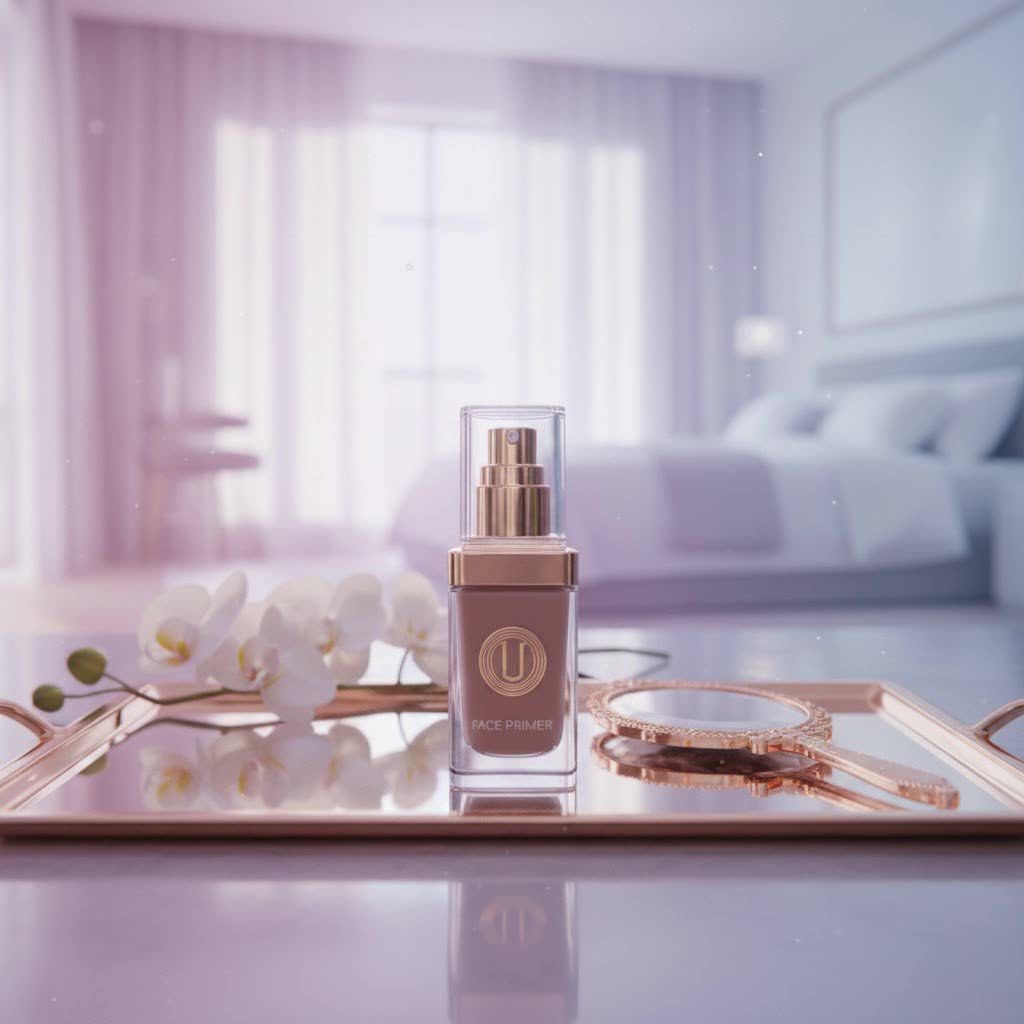
What Exactly is a Moisturizing Face Primer?
At its core, any face primer acts as an essential intermediary layer between your skincare and your makeup. Its primary role is to create a smoother, more even surface for foundation application and to significantly extend the wear time of your makeup, preventing it from fading, creasing, or settling into fine lines.
A moisturizing face primer takes these benefits a crucial step further. Unlike traditional primers that might focus solely on mattifying or pore-blurring, a moisturizing primer infuses your skin with much-needed hydration. Think of it as a drink for your complexion, plumping up the skin, minimizing the appearance of dry patches, and imparting a healthy, dewy glow before a single drop of foundation is applied. It ensures your makeup glides on seamlessly, looking fresh and vibrant all day long, rather than clinging to any dry areas.
Why Your Skin Craves a Moisturizing Primer: Benefits Beyond the Base
The advantages of integrating a moisturizing face primer into your beauty regimen extend far beyond just makeup adhesion. It’s about cultivating healthier, happier skin that looks its best, even under makeup.
For those with dry or dehydrated skin, the struggle is real. Foundation can often settle into flaky patches, making your skin look even drier and emphasizing texture. A good moisturizing primer counteracts this by providing an immediate surge of hydration, creating a supple, hydrated barrier that keeps your skin from absorbing moisture from your foundation, thus preventing that unwelcome cakey or patchy appearance. It essentially acts as a smooth, well-hydrated canvas, ensuring an even, flawless application.
Mature skin, which often experiences increased dryness and a loss of plumpness, also benefits immensely. Ingredients in these primers work to visibly plump up fine lines and wrinkles, offering a smoother surface that helps makeup look more youthful and radiant. Instead of makeup emphasizing the skin’s texture, it will appear to float over imperfections, giving a soft-focus effect.
Ultimately, a moisturizing face primer isn’t just about aesthetics; it’s about comfort and confidence. It helps your skin feel more comfortable throughout the day, preventing that tight, parched sensation, while ensuring your makeup looks vibrant and fresh from morning until night.
Decoding the Ingredients: What Makes a Moisturizing Primer Work?
The true magic of a moisturizing face primer lies in its carefully selected ingredients, each playing a vital role in hydrating, plumping, and smoothing your skin. Knowing what to look for empowers you to make the best choice for your unique needs.
Hydration Powerhouses
These are the heroes that actively draw and lock moisture into your skin:
- Hyaluronic Acid: This superstar ingredient is a humectant renowned for its incredible ability to hold up to 1,000 times its weight in water. When present in a primer, hyaluronic acid deeply hydrates the skin, making it appear plumper and significantly reducing the visibility of fine lines and wrinkles. It creates a soft, cushiony surface for your makeup.
- Glycerin: Another powerful humectant, glycerin works by attracting moisture from the air into your skin, providing lightweight yet effective hydration without feeling heavy or greasy. It helps improve makeup blendability and gives a dewy finish.
- Squalane: A fantastic emollient, squalane helps to seal in moisture and prevent water loss from the skin, leading to a smoother, more supple complexion. It mimics the skin’s natural oils, making it easily absorbed and highly effective.
- Ceramides: These lipids are crucial for maintaining a healthy skin barrier. By strengthening this barrier, ceramides help to lock moisture within the skin and protect against environmental irritants. A primer enriched with ceramides can reduce moisture loss, leaving your skin feeling soft and resilient.
|
Our Picks for the Best Face Primer in 2026
As an Amazon Associate I earn from qualifying purchases.
|
||
| Num | Product | Action |
|---|---|---|
| 1 | e.l.f. Liquid Poreless Putty Primer, Lightweight Face Primer For Long-lasting Makeup Wear, Creates A Smooth Complexion, Vegan & Cruelty-free |

|
| 2 | e.l.f. Hydrating Face Primer, Makeup Primer For Flawless, Smooth Skin & Long-Lasting Makeup, Fills In Pores & Fine Lines, Vegan & Cruelty-free, Small |
|
| 3 | Maybelline Grippy Serum Primer, Hydrating Makeup Primer with 2% Niacinamide For Up To 24HR Make Up Wear, Clear, 1 Count |
|
| 4 | e.l.f. Hydrating Face Primer, Makeup Primer For Flawless, Smooth Skin & Long-Lasting Makeup, Fills In Pores & Fine Lines, Vegan & Cruelty-free, Large |
|
| 5 | LAURA GELLER NEW YORK Spackle Primer - Hydrate - Super-Size 2 Fl Oz - Hyaluronic Acid Makeup Primer for Mature Skin |
|
| 6 | 3 In 1Primer for Face Before Makeup,Sunscreen Isolation Cream, SPF 50, One Step Color Corrector Face Primer, Blurs Imperfections Oil Control & Moisturizing Skin Tone Correcting,Radiance Skin |
|
| 7 | e.l.f. Power Grip Primer, Gel-Based & Hydrating Face Primer For Smoothing Skin & Gripping Makeup, Moisturizes & Primes, 0.811 Fl Oz (24 ml.) |
|
| 8 | e.l.f. Power Grip Primer Mini, Gel-Based & Hydrating Face Primer For Smoothing Skin & Gripping Makeup, Moisturizes & Primes |
|
| 9 | F.O.X STUNNING MAKEUP PRIMER-Green |
|
| 10 | e.l.f. Power Grip Primer + 4% Niacinamide, Gel-Based & Hydrating Face Primer, Evens Skin & Brightens, Grips Makeup, Vegan & Cruelty-Free, 0.8 Fl Oz |
|
The Role of Silicones (and when to choose wisely)
Silicones like dimethicone and cyclomethicone are common in many primers for their ability to create a smooth, silky texture on the skin’s surface. They work by filling in fine lines and pores, providing a flawless canvas for makeup. They can also form a protective barrier that helps lock in moisture.
However, for very dry skin, it’s important to choose wisely. While some silicone-based primers are excellent, overly heavy silicone formulas without sufficient emollients can sometimes sit on top of the skin and, in rare cases, contribute to pilling if not formulated correctly for dry skin. For those with dry or sensitive skin, water-based or gel-cream hybrid primers often provide a more comfortable and deeply hydrating experience without any potential issues. They absorb quickly and feel lighter on the skin.
“A truly effective moisturizing primer is like an invisible shield that not only locks in hydration but also perfects your skin’s texture. It’s the foundational step for makeup that looks like a second skin, not a mask.” – Olivia Hayes, Lead Skincare Formulator at DSWCC.com
Finding Your Perfect Match: Moisturizing Primer for Every Skin Type
While a moisturizing face primer is a godsend for dry and mature skin, its benefits can be tailored to various complexions. Understanding your skin’s unique needs is key to selecting the ideal formula.
Dry & Dehydrated Skin
If your skin consistently feels tight, looks dull, or exhibits flaky patches, a hydrating primer is non-negotiable. Look for formulas rich in humectants like hyaluronic acid and glycerin, along with emollients such as squalane or ceramides. Water-based or gel-cream hybrid textures are often best as they absorb readily and deliver deep hydration without feeling heavy. These primers will quench thirsty skin, prevent makeup from clinging to dry areas, and leave you with a smooth, dewy canvas.
Mature Skin
As we age, skin tends to lose moisture and elasticity, making fine lines and wrinkles more prominent. A moisturizing face primer designed for mature skin should focus on plumping and anti-aging benefits. Seek out ingredients like hyaluronic acid and vegan collagen, which help to plump up the skin, reducing the appearance of lines and creating a more youthful, radiant base for your makeup. These primers also help to keep makeup from settling into creases throughout the day.
Combination Skin
For those with combination skin – an oily T-zone coupled with drier cheeks – a hybrid approach works best. Look for moisturizing face primers that offer a balance: hydrating ingredients for drier areas, alongside very lightweight oil-controlling components for the T-zone. Some primers are specifically formulated to address both concerns simultaneously, providing a unified, balanced canvas.
Sensitive Skin
Sensitive skin requires extra care. Opt for fragrance-free, hypoallergenic, and non-comedogenic moisturizing face primers to minimize the risk of irritation or breakouts. Water-based formulas are generally a safer bet, as they tend to be lighter and less likely to cause adverse reactions. Always check the ingredient list carefully and consider a patch test if you have very reactive skin.
Your Step-by-Step Guide to Applying Moisturizing Primer Like a Pro
Applying your moisturizing face primer correctly is crucial for maximizing its benefits and achieving that flawless finish. It’s a simple step, but precision makes all the difference.
- Start with a Clean Canvas: Always begin with freshly cleansed and toned skin. Follow up with your regular skincare routine, including serums and moisturizer. Remember, primer isn’t a substitute for your moisturizer, especially if you have dry skin; it works in tandem with it.
- Dispense the Right Amount: A little goes a long way! For most moisturizing face primers, a pea-sized amount is usually sufficient for your entire face. Using too much can lead to pilling or make your foundation difficult to blend.
- Warm It Up: Gently rub the primer between your fingertips for a few seconds. This helps to warm the product, making it spread more smoothly and ensuring better absorption into the skin.
- Apply Evenly: Using your fingertips, gently smooth the primer over your entire face. Focus on areas that tend to be drier, have more visible fine lines, or where you want your makeup to last longest. Use light, upward strokes, avoiding harsh rubbing.
- Allow It to Set: This is a vital, often overlooked step. Give your moisturizing face primer about 30-60 seconds to fully absorb and create its optimal base. This allows the ingredients to settle and form the perfect gripping surface for your foundation. If you apply foundation too quickly, the primer might mix with it, reducing its effectiveness.
- Pro Tip for Extra Moisture: For incredibly parched skin, apply your moisturizing face primer to slightly damp skin (after your serum or a hydrating mist, but before your moisturizer fully dries). This helps to seal in extra moisture, boosting hydration even further.
Common Moisturizing Primer Mistakes to Avoid
Even seasoned beauty enthusiasts can stumble over a few common pitfalls when it comes to primers. Sidestepping these errors ensures you get the most out of your moisturizing face primer.
- Using Too Much Product: This is perhaps the most frequent mistake. Over-applying primer doesn’t make it work better; it can actually lead to your makeup pilling, sliding off, or looking cakey. Stick to a pea-sized amount.
- Skipping Moisturizer: A moisturizing face primer is designed to enhance hydration and prep your skin, not replace your daily moisturizer. Even if your primer is super hydrating, your skin still needs its foundational layer of moisture to maintain barrier health and overall skin health. Apply your regular moisturizer before your primer.
- Layering Incompatible Formulas: Be mindful of the base of your products. If you use a water-based moisturizing face primer and then apply a silicone-based foundation (or vice-versa), they might not blend well, leading to separation or pilling. A quick check of ingredient lists can save you a headache: silicones often end in “-cone” or “-xane.”
- Not Letting It Set: Impatience can be your primer’s worst enemy. Applying foundation immediately after primer doesn’t give the product time to create that smooth, gripping layer, diminishing its efficacy. Always allow it a moment to fully set.
Elevate Your Routine: DSWCC’s Expert Picks & Insights
At DSWCC.com, we pride ourselves on being your definitive source for all things beauty. We continually test and review the latest innovations in moisturizing face primer, providing in-depth analyses of ingredients, performance, and best uses. Our curated selections and expert insights are designed to guide you toward products that genuinely deliver on their promises, ensuring your makeup routine is as effective as it is enjoyable. Explore our extensive reviews and recommendations to discover your next holy grail product!
Frequently Asked Questions (FAQ)
Is moisturizing primer suitable for oily skin?
While traditionally dry skin benefits most, some moisturizing face primers are formulated to provide lightweight hydration without adding excess shine, which can actually help balance oily skin. Look for non-comedogenic, gel-based formulas that hydrate without heavy emollients.
Can I skip moisturizer if I use a moisturizing primer?
No, a moisturizing face primer is not a replacement for your daily moisturizer. It’s an additional step to enhance hydration and prep your skin for makeup, working in conjunction with your moisturizer to create the best possible base.
How much moisturizing primer should I use?
A pea-sized amount is generally sufficient for your entire face. Using too much product can cause makeup to pill or slide.
What’s the difference between a hydrating primer and a regular primer?
A regular primer focuses on creating a smooth canvas and extending makeup wear, often with mattifying or pore-blurring effects. A hydrating primer specifically includes moisturizing ingredients to add hydration, plump the skin, and create a dewy finish, making it ideal for dry or dull complexions.
How long should I wait after applying primer before foundation?
It’s best to wait approximately 30-60 seconds after applying your moisturizing face primer to allow it to fully set and create the optimal gripping surface for your foundation.
Can moisturizing primer cause breakouts?
While unlikely, any product can potentially cause breakouts if it contains ingredients your skin reacts to, or if it’s not non-comedogenic. If you have acne-prone skin, look for oil-free, non-comedogenic moisturizing face primers and always patch test new products.
Are silicone-based moisturizing primers good for dry skin?
Yes, many silicone-based primers can be good for dry skin as silicones create a smooth barrier that helps lock in moisture. However, for very dry skin, ensure the formula also contains hydrating emollients or opt for water-based or gel-cream hybrid formulas if you find heavy silicones uncomfortable.
Embrace Your Best Skin Yet
A moisturizing face primer is far more than just another step in your makeup routine; it’s a transformative tool that empowers your skin to look and feel its best. By understanding its power, choosing the right formula for your skin type, and mastering its application, you unlock a world where your makeup not only lasts longer but looks more radiant, smooth, and utterly flawless.
We encourage you to experiment with different formulas, pay attention to your skin’s unique responses, and discover the joy of a truly hydrated, perfected canvas. Share your moisturizing face primer journey with us and become a part of the DSWCC community – where expertise meets real-world beauty solutions!
