For over a decade, I’ve seen countless makeup transformations, from subtle enhancements to full glam artistry. Yet, through all the trends and product innovations, one item has remained the true unsung hero in achieving a truly flawless and long-lasting look: the face makeup primer. It’s the secret weapon that bridges the gap between your skincare routine and your makeup application, laying down a canvas so smooth and refined, your foundation will glide on like a dream and stay put from morning till night. Here at DSWCC, we’re dedicated to demystifying every aspect of your beauty routine, and today, we’re diving deep into the world of face primer to empower you with the knowledge to make this essential step work wonders for you.
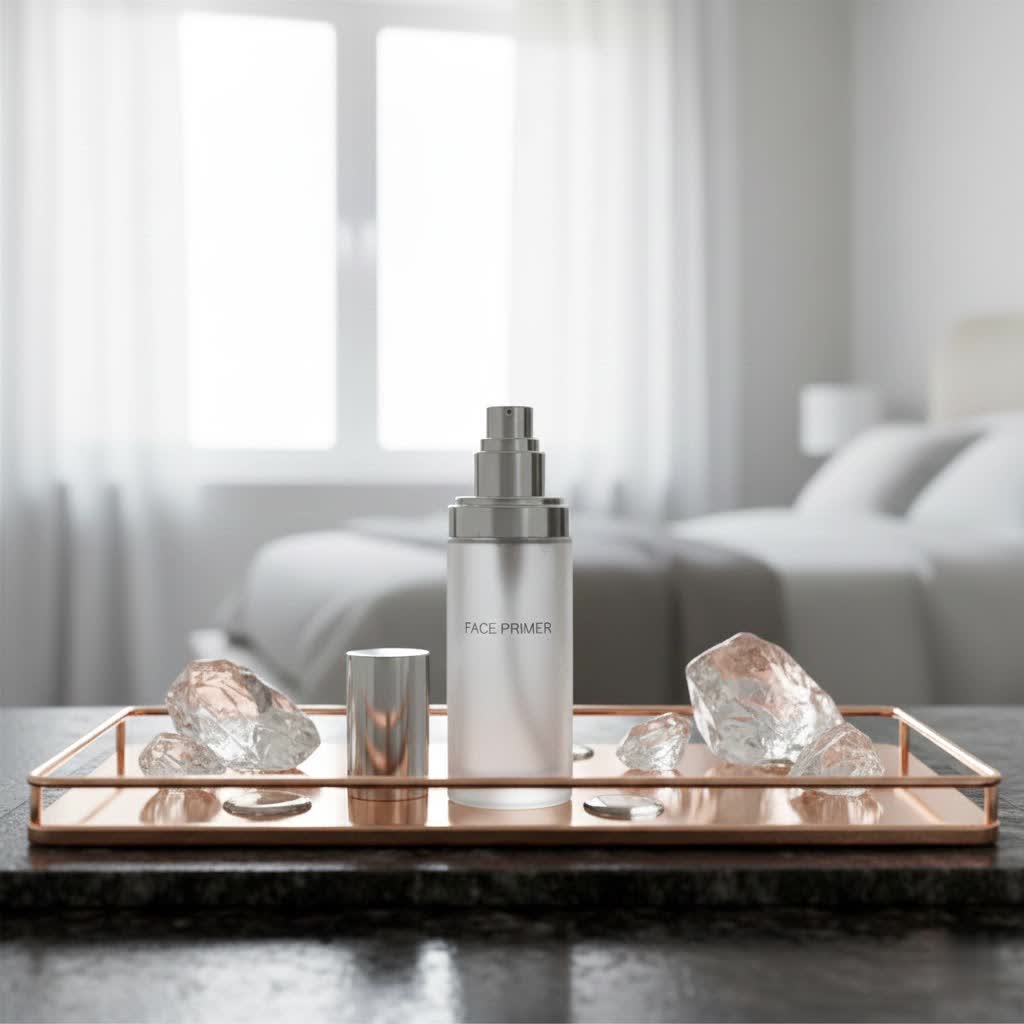
What Exactly is Face Makeup Primer?
In its simplest form, a face primer is a cosmetic product applied after your skincare but before your foundation. Think of it as the ultimate prep step, much like a painter primes a canvas before creating a masterpiece. It creates a smooth, even surface, allowing your makeup to adhere better, apply more uniformly, and last significantly longer.
More Than Just a Base Coat: The Science Behind the Smooth
|
Our Picks for the Best Face Primer in 2026
As an Amazon Associate I earn from qualifying purchases.
|
||
| Num | Product | Action |
|---|---|---|
| 1 | e.l.f. Power Grip Primer Mini, Gel-Based & Hydrating Face Primer For Smoothing Skin & Gripping Makeup, Moisturizes & Primes |

|
| 2 | e.l.f. Hydrating Face Primer, Makeup Primer For Flawless, Smooth Skin & Long-Lasting Makeup, Fills In Pores & Fine Lines, Vegan & Cruelty-free, Small |
|
| 3 | e.l.f. Power Grip Primer, Gel-Based & Hydrating Face Primer For Smoothing Skin & Gripping Makeup, Moisturizes & Primes, 0.811 Fl Oz (24 ml.) |
|
| 4 | e.l.f. Power Grip Primer + 4% Niacinamide, Gel-Based & Hydrating Face Primer, Evens Skin & Brightens, Grips Makeup, Vegan & Cruelty-Free, 0.8 Fl Oz |
|
| 5 | e.l.f. Liquid Poreless Putty Primer, Lightweight Face Primer For Long-lasting Makeup Wear, Creates A Smooth Complexion, Vegan & Cruelty-free |
|
| 6 | 3 In 1Primer for Face Before Makeup,Sunscreen Isolation Cream, SPF 50, One Step Color Corrector Face Primer, Blurs Imperfections Oil Control & Moisturizing Skin Tone Correcting,Radiance Skin |
|
| 7 | Maybelline Grippy Serum Primer, Hydrating Makeup Primer with 2% Niacinamide For Up To 24HR Make Up Wear, Clear, 1 Count |
|
| 8 | e.l.f. Hydrating Face Primer, Makeup Primer For Flawless, Smooth Skin & Long-Lasting Makeup, Fills In Pores & Fine Lines, Vegan & Cruelty-free, Large |
|
| 9 | F.O.X STUNNING MAKEUP PRIMER-Green |
|
| 10 | LAURA GELLER NEW YORK Spackle Primer - Hydrate - Super-Size 2 Fl Oz - Hyaluronic Acid Makeup Primer for Mature Skin |
|
The magic of face primer lies in its ability to create a barrier between your skin and your makeup. Depending on its formulation, a primer can fill in microscopic lines and pores, control oil production, add a boost of hydration, or even color-correct your complexion. This initial layer ensures that your foundation, concealer, and other face makeup products don’t sink into your skin, settle into fine lines, or break down prematurely. It acts like “double-sided tape for your face,” enhancing adhesion and improving coverage. This not only elevates the finished look but also helps protect your skin from direct interaction with makeup, which can be particularly beneficial for those with sensitive or acne-prone skin [cite: 4 (search result)].
As Dr. Anya Sharma, a renowned Cosmetic Chemist, often says, “A good primer doesn’t just prep your skin for makeup; it actively improves how your makeup looks and lasts throughout the day. It’s the unsung hero of a flawless face.”
Unveiling the Different Types of Primers for Every Need
The beauty of face makeup primer lies in its versatility. There isn’t a one-size-fits-all solution, which is fantastic because it means there’s a perfect primer out there for every skin type, concern, and desired makeup finish. Let’s explore the diverse world of primers:
Finding Your Perfect Match: A Primer for Every Skin Type and Concern
Choosing the right primer is crucial for maximizing its benefits. Understanding the different types available will help you pinpoint exactly what your skin needs.
- Mattifying Primers: These are a savior for those with oily or combination skin. Formulated with ingredients like silica or kaolin clay, mattifying primers absorb excess oil, minimize shine, and help blur the appearance of enlarged pores, ensuring your makeup stays matte and fresh all day [cite: 2 (search result), 3 (search result)]. They create a smooth, velvety finish, preventing makeup from sliding off.
- Hydrating Primers: If you have dry, dehydrated, or mature skin, a hydrating primer is your best friend. Rich in ingredients such as hyaluronic acid, glycerin, and shea butter, these primers replenish moisture, smooth out dry patches, and create a plump, dewy canvas. They prevent foundation from clinging to dry areas and give your skin a healthy, radiant glow [cite: 1 (search result), 2 (search result)].
- Smoothing/Blurring Primers: Often containing silicones like dimethicone, these primers excel at creating an incredibly smooth surface. They literally “fill in” the appearance of fine lines, wrinkles, and enlarged pores, making skin texture appear refined and flawless. These are your go-to for a “beauty filter, but IRL” effect [cite: 4 (search result)].
- Illuminating Primers: For skin that looks dull or lacks radiance, an illuminating primer can awaken your complexion. These formulas contain light-reflecting particles that impart a subtle, ethereal glow without glitter, making your skin look luminous and healthy, whether worn alone or under foundation [cite: 2 (search result)]. They’re particularly wonderful for dry or mature skin that needs an extra boost of luminosity.
- Color-Correcting Primers: These specialized primers address specific skin discolorations. Green primers neutralize redness (from acne, rosacea, or irritation), while peach or lavender primers can brighten dullness or counteract sallow tones, providing an even base before foundation [cite: 3 (search result)].
- Gripping Primers: Designed for maximum staying power, gripping primers have a slightly tacky texture that literally “grips” onto your foundation, extending its wear time dramatically. These are excellent for long events or when you need your makeup to be bulletproof.
How to Choose the Right Face Primer for Your Skin Type
Selecting the perfect face makeup primer is all about understanding your skin’s unique needs and what you want your makeup to achieve. Here’s how to navigate the options:
- For Oily Skin: Look for oil-free, mattifying primers. Formulas with ingredients like silica or witch hazel will help absorb excess sebum and keep shine at bay. Silicone-based blurring primers can also work wonders by minimizing the appearance of pores and creating a smooth, matte finish.
- For Dry Skin: Prioritize hydrating primers. Seek out water-based or gel-cream formulas infused with hyaluronic acid, squalane, or ceramides. These will plump your skin with moisture, prevent foundation from looking patchy, and impart a healthy, dewy glow.
- For Combination Skin: This can be tricky, but you have options! You can opt for a “balancing” primer that offers a bit of both hydration and oil control. Alternatively, I often recommend a “zone-specific” approach: apply a mattifying primer to your oily T-zone (forehead, nose, chin) and a hydrating primer to drier areas like your cheeks [cite: 3 (search result)].
- For Sensitive Skin: Gentleness is key here. Choose fragrance-free, non-comedogenic (non-pore-clogging), and dermatologist-tested primers. Look for formulas with soothing ingredients like aloe vera or chamomile to minimize irritation.
- For Mature Skin: Focus on primers that hydrate, blur lines, and add luminosity without settling into wrinkles. Formulas with hyaluronic acid, peptides, and a soft-focus finish will help create a youthful, smooth canvas. Avoid overly mattifying or drying primers, which can accentuate fine lines.
Your Step-by-Step Guide to Flawless Primer Application
Applying face makeup primer correctly is essential to unlock its full potential. It’s not just about slapping it on; it’s about thoughtful application for a seamless finish.
How Do I Apply Primer for Face Makeup Correctly?
Follow these steps for a perfect base every time:
- Prep Your Canvas: Always start with a freshly cleansed and moisturized face. Your skincare routine—cleanser, toner, serums, and moisturizer—should be completed first. This ensures your skin is nourished and ready.
- Wait for Absorption: This is a crucial, often overlooked step! After applying your moisturizer, wait at least 2-3 minutes to allow all your skincare products to fully absorb into your skin [cite: 3 (search result), 4 (search result)]. Applying primer too soon can cause pilling or interfere with its adherence.
- Dispense the Right Amount: A little goes a long way with most primers. Start with a pea-sized amount for your entire face [cite: 3 (search result), 1 (search result)]. Using too much can make your foundation slide or create a cakey finish. You can always add a tiny bit more if needed, focusing on specific areas.
- Gentle Application: Dispense the primer onto your fingertips and gently warm it between your palms if it’s a thicker formula. Then, lightly pat and smooth the primer onto your face, starting from the center and blending outwards. Focus on areas where you typically experience concerns, such as the T-zone for oiliness or around the eyes for fine lines [cite: 3 (search result)].
- Let it Set: This is another non-negotiable step. After applying your primer, wait approximately 30-60 seconds (or even 1-2 minutes for some formulas) to allow it to fully set and dry down before applying your foundation [cite: 3 (search result), 1 (search result)]. This ensures the primer forms that ideal barrier, preventing your makeup from mixing with it and leading to a patchy look. You’ll often feel a slight “tackiness” when it’s ready.
For combination skin, remember you can layer multiple primers. For instance, apply a mattifying primer to your T-zone, let it set, then apply a hydrating primer to your cheeks. You can also wear face primer on its own for a naturally blurred and polished look, or even mix a luminous primer with your foundation for a dewy finish [cite: 5 (search result)].
Common Face Primer Mistakes to Avoid
Even seasoned beauty enthusiasts can fall into common primer traps. Knowing these pitfalls will help you ensure your face makeup primer performs at its best.
What Are the Biggest Mistakes People Make When Using Primer?
Avoiding these common errors will elevate your makeup game:
- Using Too Much Product: This is perhaps the most frequent mistake. Over-application can lead to your foundation pilling, feeling greasy, or sliding around instead of staying put [cite: 3 (search result), 1 (search result)]. Remember, a pea-sized amount is generally enough.
- Skipping Skincare First: Primer is not a substitute for your moisturizer or entire skincare routine [cite: 2 (search result)]. Applying primer to dry or dehydrated skin can actually accentuate flakiness and prevent it from working effectively. Always cleanse, tone, and moisturize before primer.
- Not Letting it Set: Patience is a virtue in makeup! Applying foundation immediately after primer doesn’t allow the primer to fully set and create that crucial barrier. This can cause your foundation to look patchy, streaky, or simply not last [cite: 3 (search result), 1 (search result)]. Give it a minute!
- Choosing the Wrong Formula for Your Skin Type: A mattifying primer on dry skin will emphasize texture and make it feel tighter, while a dewy primer on oily skin will only contribute to midday shine [cite: 3 (search result), 5 (search result)]. Always match your primer to your current skin condition and concerns.
- Not Applying Evenly: Rushing the application can lead to an uneven base. If your primer isn’t smoothly distributed across your face, your foundation might appear patchy in areas where there’s no primer, affecting both coverage and longevity [cite: 1 (search result)].
- Not Matching Primer and Foundation Bases: While not always a hard and fast rule, it’s generally recommended to match the base of your primer and foundation. For example, a silicone-based primer works best with a silicone-based foundation, and water-based primers with water-based foundations. Mixing them can sometimes lead to pilling or separation.
Expert Tips & Tricks from the DSWCC Lab
With over a decade in the industry, I’ve picked up a few extra pointers to make your face makeup primer an indispensable part of your routine:
- Seasonal Adjustments: Just as your skincare adapts to the seasons, so should your primer. You might gravitate towards more hydrating formulas in dry winter months and switch to mattifying or oil-control primers in humid summers.
- Primer for a “No-Makeup” Look: Don’t reserve primer just for full-face makeup days. A blurring or illuminating primer can instantly make your skin look smoother, more even, and naturally radiant on its own, perfect for those effortless “no-makeup” makeup days.
- Targeted Touch-Ups: For oily skin, if you notice shine creeping in mid-day, gently blot with a tissue first, then you can lightly dab a tiny amount of mattifying primer onto the shiny areas before reapplying powder or setting spray.
Frequently Asked Questions About Face Primer
Still have questions? Here are some of the most common inquiries we get about face makeup primer:
Q: Is face primer really necessary?
A: While “necessary” is a strong word in makeup, a primer can make a noticeable difference in how your makeup applies and wears. It’s particularly useful if you want your makeup to last longer, look smoother, or address specific skin concerns like oiliness or large pores [cite: 1 (search result), 3 (search result)]. Many find it indispensable for a truly polished look.
Q: Can I use primer every day?
A: Absolutely! Most primers are formulated for daily use. Just ensure you’re choosing a primer that suits your skin type and doesn’t cause any irritation. As with any product, listen to your skin.
Q: What’s the difference between primer and moisturizer?
A: A moisturizer’s primary role is to hydrate and nourish your skin, focusing on skin health. A primer’s main function is to prep your skin for makeup, enhancing makeup application, longevity, and finish. While many modern primers contain skincare benefits, they don’t replace your essential moisturizer [cite: 3 (search result), 2 (search result)].
Q: How long should I wait after applying primer before foundation?
A: You should typically wait 30-60 seconds, or until the primer feels slightly tacky to the touch. This allows the primer to fully set and create the optimal barrier for your foundation application [cite: 3 (search result)].
Q: Can I use a pore-filling primer all over my face?
A: While you can, it’s often most effective to concentrate pore-filling primers on areas where you have enlarged pores, such as your T-zone (forehead, nose, and chin). Applying it sparingly and precisely can achieve a smoother look without feeling heavy all over.
Elevate Your Everyday with Face Makeup Primer
The world of face makeup primer is vast and exciting, offering solutions for virtually every skin concern and makeup goal. From extending the wear of your foundation to blurring imperfections and imparting a radiant glow, the right primer can truly transform your beauty routine. Don’t be afraid to experiment, understand your skin, and choose the formula that speaks to you. At DSWCC, we believe that informed choices lead to confident beauty. So, go forth, prime with purpose, and let your makeup shine—flawlessly and for longer!
