Dealing with dry skin can feel like an endless battle when it comes to makeup application. Foundation can cling to flaky patches, settle into fine lines, and leave your complexion looking dull and uneven just hours after you’ve applied it. It’s enough to make anyone frustrated! But what if I told you there’s a secret weapon in your makeup arsenal that can transform your dry skin from patchy to perfectly primed, giving you a smooth, hydrated canvas that makes your makeup look flawless and last all day? That’s right, we’re talking about the magical world of Face Primer For Dry Skin.
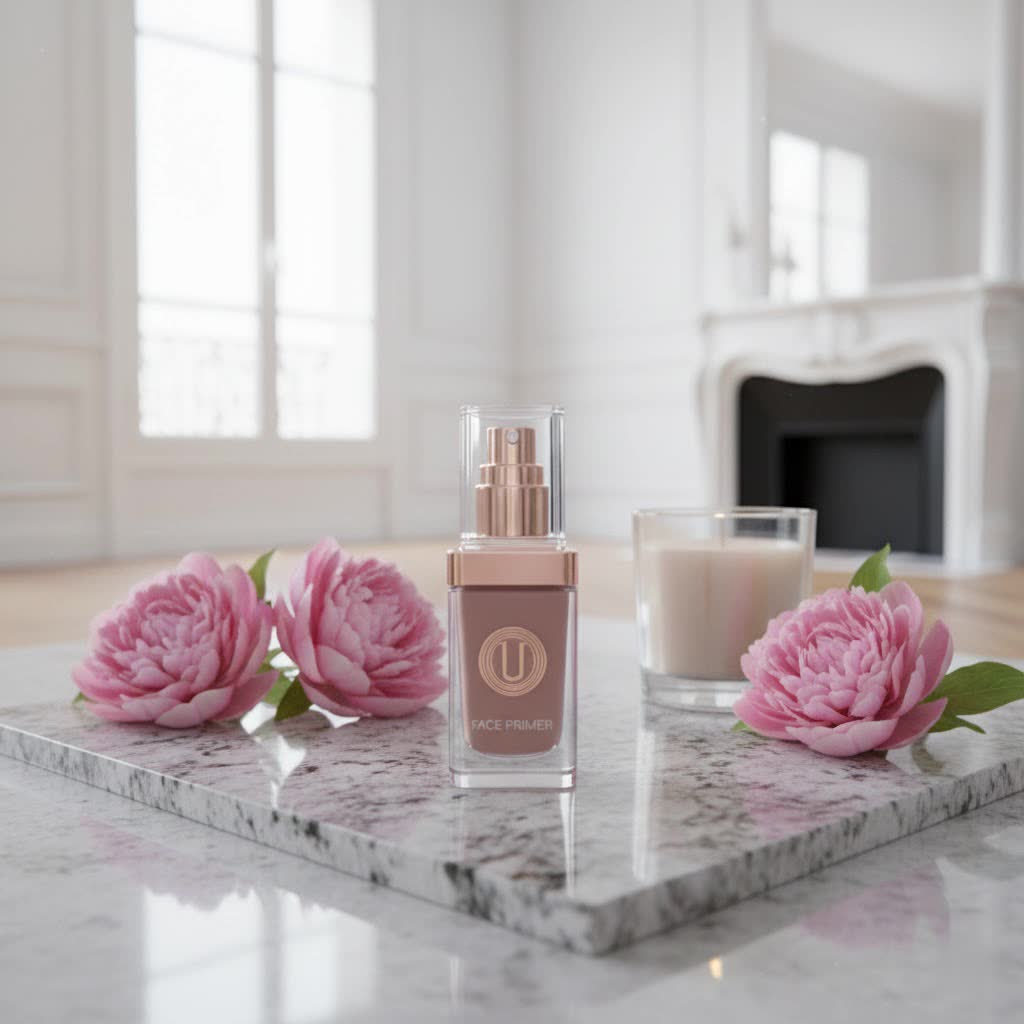
As a seasoned expert with over a decade in the beauty industry and the lead content creator for DSWCC, I’ve seen countless transformations. I’m here to demystify primers for dry skin, sharing all the insider knowledge you need to choose, use, and absolutely love this essential step in your routine.
Why Dry Skin Needs a Specific Face Primer
You might think your moisturizer is enough to prep your skin, and while it’s undeniably crucial, a dedicated face primer for dry skin goes a step further. Imagine your skin as a canvas: while moisturizer hydrates and softens it, primer perfects that canvas, creating an ideal surface for your makeup. For dry complexions, this means:
- Locking in Hydration: Primers formulated for dry skin are packed with moisture-boosting ingredients that create a protective barrier, preventing your skin from losing precious hydration throughout the day.
- Smoothing Texture: They work wonders on flaky patches and rough areas, creating a silky-smooth surface that allows foundation to glide on effortlessly without clinging or caking.
- Extending Makeup Wear: By creating a barrier between your skin and makeup, a good hydrating primer helps your foundation and concealer adhere better and last significantly longer, preventing it from breaking apart or settling into lines.
- Boosting Radiance: Many primers for dry skin offer a dewy or luminous finish, counteracting the dullness often associated with dry skin and giving you that coveted healthy glow.
Remember, a face primer for dry skin is an enhancement to your skincare routine, not a replacement for your daily moisturizer. It’s the essential bridge between your skincare and your makeup, ensuring everything works in harmony.
The Ingredient Checklist: What Your Dry Skin Primer Truly Needs
When you’re scanning ingredient lists for the ideal face primer for dry skin, keep an eye out for these hydration heroes:
- Hyaluronic Acid: A powerhouse humectant that draws moisture from the air into your skin, plumping it up and reducing the appearance of fine lines.
- Glycerin: Another excellent humectant that helps the skin retain moisture, leaving it feeling soft and supple.
- Squalane: A non-comedogenic emollient that mimics your skin’s natural oils, providing deep hydration without feeling greasy.
- Nourishing Oils (Jojoba, Grapeseed, Coconut, Shea Butter): These emollients create a barrier that locks in moisture and provides a smooth, supple texture.
- Ceramides: Essential lipids that help strengthen your skin’s natural barrier, preventing moisture loss and protecting against environmental stressors.
- Vitamins E & C: Often found in hydrating primers, these antioxidants offer additional skin benefits like nourishment and brightening.
What to steer clear of: Avoid primers with mattifying ingredients like silica or excessive alcohol, as these can strip moisture and exacerbate dryness, making your makeup look cakey and uncomfortable.
Choosing the Perfect Face Primer for Your Unique Dry Skin Needs
Not all dry skin is the same, and your primer should cater to your specific concerns.
For Very Dry and Dehydrated Skin
|
Our Picks for the Best Face Primer in 2026
As an Amazon Associate I earn from qualifying purchases.
|
||
| Num | Product | Action |
|---|---|---|
| 1 | e.l.f. Hydrating Face Primer, Makeup Primer For Flawless, Smooth Skin & Long-Lasting Makeup, Fills In Pores & Fine Lines, Vegan & Cruelty-free, Small |

|
| 2 | F.O.X STUNNING MAKEUP PRIMER-Green |
|
| 3 | e.l.f. Hydrating Face Primer, Makeup Primer For Flawless, Smooth Skin & Long-Lasting Makeup, Fills In Pores & Fine Lines, Vegan & Cruelty-free, Large |
|
| 4 | e.l.f. Power Grip Primer Mini, Gel-Based & Hydrating Face Primer For Smoothing Skin & Gripping Makeup, Moisturizes & Primes |
|
| 5 | e.l.f. Power Grip Primer, Gel-Based & Hydrating Face Primer For Smoothing Skin & Gripping Makeup, Moisturizes & Primes, 0.811 Fl Oz (24 ml.) |
|
| 6 | LAURA GELLER NEW YORK Spackle Primer - Hydrate - Super-Size 2 Fl Oz - Hyaluronic Acid Makeup Primer for Mature Skin |
|
| 7 | e.l.f. Liquid Poreless Putty Primer, Lightweight Face Primer For Long-lasting Makeup Wear, Creates A Smooth Complexion, Vegan & Cruelty-free |
|
| 8 | 3 In 1Primer for Face Before Makeup,Sunscreen Isolation Cream, SPF 50, One Step Color Corrector Face Primer, Blurs Imperfections Oil Control & Moisturizing Skin Tone Correcting,Radiance Skin |
|
| 9 | Maybelline Grippy Serum Primer, Hydrating Makeup Primer with 2% Niacinamide For Up To 24HR Make Up Wear, Clear, 1 Count |
|
| 10 | e.l.f. Power Grip Primer + 4% Niacinamide, Gel-Based & Hydrating Face Primer, Evens Skin & Brightens, Grips Makeup, Vegan & Cruelty-Free, 0.8 Fl Oz |
|
If your skin feels consistently tight, looks dull, and shows visible flakiness, you need a primer focused on intense hydration. Look for rich, creamy, or gel-like formulas packed with a high concentration of hyaluronic acid, glycerin, and nourishing oils. Some even act as a primer-moisturizer hybrid, offering a double dose of comfort and prep.
For Dry Skin with Fine Lines and Wrinkles
When dryness emphasizes fine lines, you need a primer that hydrates while also providing a smoothing, blurring effect. Opt for lightweight formulas that plump the skin without feeling heavy, ensuring your foundation doesn’t settle into creases. Ingredients like peptides can also offer additional smoothing benefits.
For Dry and Sensitive Skin
If your dry skin is also prone to redness or irritation, prioritize gentle, fragrance-free, and non-comedogenic primers. Look for formulas with soothing ingredients (like colloidal oatmeal, though less common in primers, hydrating ones typically are gentle) that won’t clog pores or cause flare-ups. Patch testing new products is always a wise move.
For Dry Skin with Dullness or Lack of Radiance
To combat a lack of luminosity, choose an illuminating or radiance-boosting face primer for dry skin. These often contain finely milled pearls or light-reflecting particles that give your skin a beautiful, healthy glow from within, making your foundation appear more vibrant.
For Combination Skin with Dry Patches and an Oily T-Zone
This is where “zone priming” comes into play. You can strategically apply a hydrating primer to your dry areas (like cheeks) and a lightly mattifying or balancing primer to your T-zone. This ensures each area of your face gets the specific care it needs for a harmonious finish.
Step-by-Step: Applying Face Primer for a Flawless, Hydrated Finish
Applying your face primer correctly is just as vital as choosing the right one. Follow these steps for a truly seamless and long-lasting makeup look:
- Start with Clean, Moisturized Skin: Always begin with a freshly cleansed face, followed by your regular toner and serum. Crucially, apply a nourishing moisturizer suited for dry skin. This is non-negotiable! Primer is not a substitute for your moisturizer.
- Allow Time for Absorption: Give your moisturizer 2-5 minutes to fully absorb into your skin. If you apply primer too soon, it can mix with your moisturizer, leading to pilling or a greasy finish. You’ll know it’s absorbed when your skin feels supple but not tacky.
- Use the Right Amount: A little goes a long way with primer. For most liquid or gel formulas, a pea- to nickel-sized amount is usually sufficient for your entire face. Using too much can make your makeup slide off or cause that dreaded pilling.
- Warm It Up: Dispense the primer onto the back of your hand or between your fingertips and gently rub it to warm it slightly. This helps the product melt into your skin more evenly, especially if it contains oils or waxes.
- Press, Don’t Rub: Gently press the primer into your skin using upward and outward motions, starting from the center of your face and moving towards your hairline and jaw. Avoid aggressive rubbing or tugging, as this can irritate dry skin and create streaks. Focus a bit more product on any particularly dry or flaky areas.
- Allow Primer to Set: Give your primer 1-2 minutes to set before moving on to foundation. This ensures your foundation adheres properly and blends beautifully, rather than mixing with a still-wet primer.
- Proceed with Foundation: Now your canvas is perfectly prepped for foundation, concealer, and the rest of your makeup routine!
Common Face Primer Mistakes to Avoid for Dry Skin
Even experienced makeup lovers can fall into these traps:
- Skipping Moisturizer: This is perhaps the biggest mistake. Primer enhances hydration but doesn’t replace it. Without proper moisturizing beforehand, your primer and foundation will still cling to dry patches.
- Using Too Much Product: Over-applying primer is a common cause of pilling (when products roll up into little balls on your skin) and can make your foundation feel heavy or slide off.
- Applying Too Soon After Skincare: Patience is key! If your moisturizer or sunscreen hasn’t fully absorbed, your primer won’t adhere correctly, leading to a messy application.
- Rubbing Aggressively: Dry skin is delicate. Rubbing can irritate it and disrupt the smooth barrier your primer is trying to create. Always use gentle pressing motions.
- Mixing Incompatible Formulas: While many primers are versatile, be mindful of the base. For example, some silicone-based primers might not play well with certain water-based foundations, potentially leading to separation. Check product descriptions for compatibility.
- Using Mattifying Primers: Unless you are zone priming for specific, slightly oily areas, completely mattifying primers will strip dry skin of moisture and make it look even drier.
“A truly effective face primer for dry skin acts like a drink of water for your complexion, not just a barrier. It’s about nourishing your skin while perfecting it,” advises Sarah Jenkins, a renowned cosmetic chemist and DSWCC’s resident ingredient expert.
Beyond the Basics: Expert Tips for Dry Skin Priming
As your trusted guide in all things beauty, here are a few more pro-tips for integrating face primer into your dry skin routine:
- Wear it Alone: On “no makeup” days, a hydrating primer can still offer a beautiful, blurred, and slightly dewy finish, evening out your complexion without the need for foundation.
- Mix with Foundation: For lighter coverage or an extra boost of dewiness, try mixing a pea-sized amount of your hydrating primer directly with your liquid foundation on the back of your hand before applying.
- Always Test Compatibility: Before a big event, test your new primer with your favorite foundation. This ensures they work harmoniously together and prevents any unexpected reactions or pilling.
- Consider SPF Primers: For added sun protection, some hydrating primers now come infused with SPF. This is a great way to combine steps while protecting your dry skin from environmental damage.
FAQs About Face Primer for Dry Skin
Q: Is primer necessary for dry skin?
A: While not strictly “essential” in the same way moisturizer is, a good face primer for dry skin significantly enhances your makeup application and wear by providing extra hydration, smoothing texture, and helping foundation look better and last longer.
Q: Can I use moisturizer instead of primer?
A: Moisturizer is crucial for hydrating your skin, but most moisturizers aren’t formulated to create the gripping or smoothing effect a primer offers. While some rich moisturizers can serve as a decent base, a dedicated primer provides specialized benefits like extending makeup wear and preventing clinging to dry patches.
Q: What’s the best makeup primer for dry skin in winter?
A: In colder, drier months, opt for rich, emollient-heavy primers that contain nourishing oils (like jojoba or shea butter) and ceramides, in addition to humectants like hyaluronic acid and glycerin. These ingredients help combat the harsh effects of winter on dry skin, providing intense hydration and protection.
Q: How do I stop primer from settling into wrinkles?
A: To prevent primer from settling into fine lines or wrinkles, choose lightweight, hydrating, and smoothing formulas. Apply sparingly with gentle pressing motions, and allow it to set for a minute or two before applying foundation. Ensure your skin is well-moisturized beforehand.
Q: How much primer should I use?
A: Generally, a pea- to nickel-sized amount of liquid or gel primer is sufficient for the entire face. Using too much can lead to pilling or make your makeup feel heavy and slide off.
Elevate Your Makeup with the Right Face Primer
No longer does dry skin have to mean patchy makeup or a dull complexion. By understanding the unique needs of your skin and choosing the right face primer, you can unlock a world of smooth, hydrated, and long-lasting makeup looks. It’s about creating the perfect foundation for your foundation, giving your dry skin the extra love and attention it deserves. So go ahead, experiment, find your perfect match, and watch your makeup routine transform into a truly radiant experience. Your skin will thank you, and your makeup will look more flawless than ever before!
