Ever dreamt of a makeup routine that not only perfects your complexion but also shields it from the sun’s sneaky rays? Well, it’s not a dream anymore! The Best Face Primer With Spf is your secret weapon, combining the magic of a smooth makeup canvas with essential daily sun protection. This game-changing product is quickly becoming a non-negotiable step in beauty routines worldwide, and for good reason. At DSWCC.com, we believe that radiant skin is healthy skin, and that starts with smart choices. Let’s dive deep into how these multitasking marvels work and how to find your perfect match for truly flawless, protected skin.
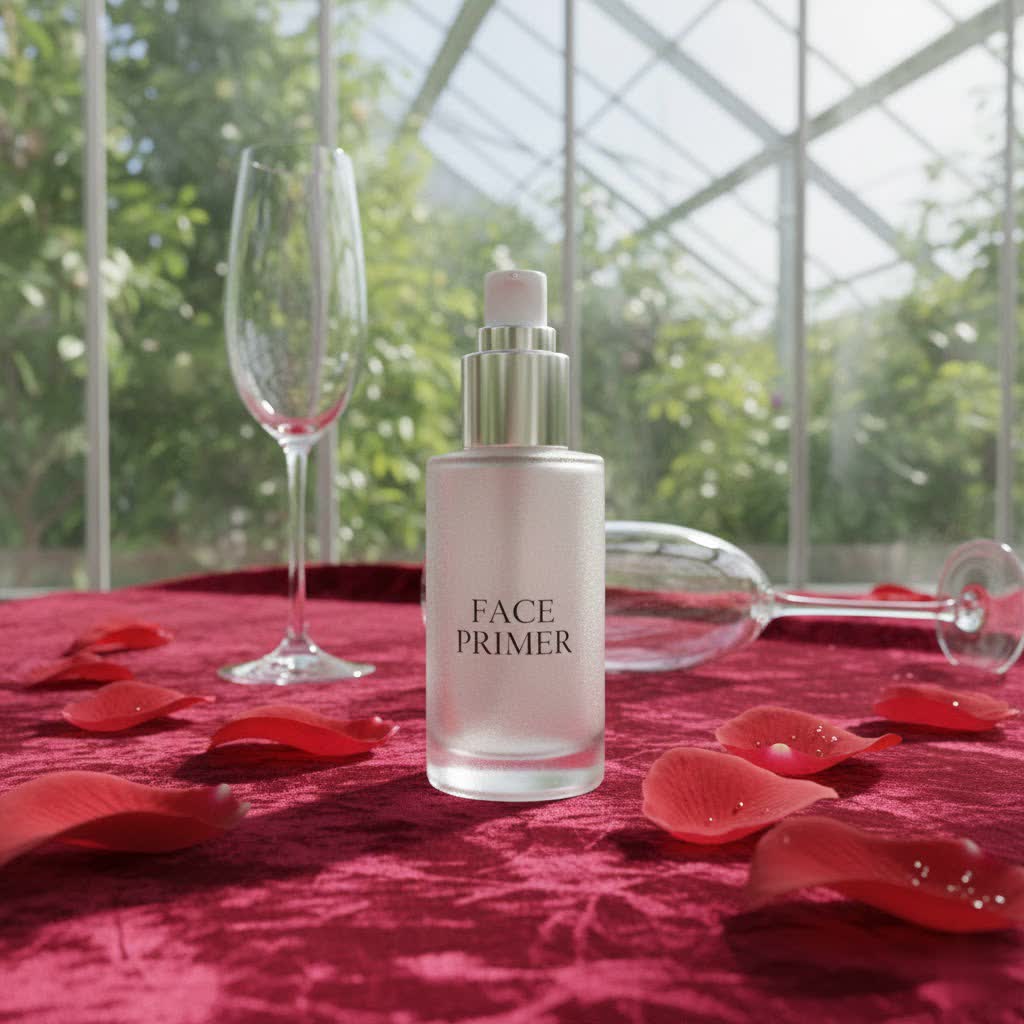
What is a Face Primer with SPF and Why Do You Need It?
At its core, a face primer with SPF is a brilliant skincare-makeup hybrid designed to streamline your routine without compromising results. Think of it as your skin’s personal bodyguard and stylist, all in one bottle. Traditionally, primers create that perfect, velvety base for your makeup, smoothing out texture, blurring pores, and ensuring your foundation stays put from morning coffee to evening cocktails. When you infuse that with broad-spectrum SPF, you’re not just prepping your skin for makeup; you’re also laying down a crucial line of defense against harmful UVA and UVB rays.
The benefits are truly undeniable. Beyond extending your makeup’s wear time and giving you that “airbrushed” finish, these primers actively work to prevent sun damage, which is a leading cause of premature aging, dark spots, and even more serious skin concerns. It’s a double win: your makeup looks better, and your skin stays healthier. Plus, for those busy mornings, combining two essential steps into one is a major time-saver!
How to Choose the Right Face Primer with SPF for Your Skin Type
Choosing the ideal face primer with SPF isn’t a one-size-fits-all situation. Just like any other skincare or makeup product, the best choice depends heavily on your unique skin type and concerns. Understanding what your skin needs is the first step towards finding your perfect match.
Understanding Your Skin’s Needs
- Oily Skin: If you battle shine throughout the day, look for mattifying or silicone-based formulas. These primers excel at controlling excess sebum, minimizing the appearance of large pores, and keeping your makeup from slipping. Ingredients like silica or kaolin clay can be particularly beneficial.
- Dry Skin: For skin that craves hydration, a dewy or hydrating primer with SPF is your best friend. Seek out water-based or gel-textured options rich in humectants like hyaluronic acid, glycerin, or squalane. These will plump your skin, smooth away dry patches, and provide a luminous finish without emphasizing flakiness.
- Combination Skin: This skin type is often a balancing act – oily in the T-zone and drier elsewhere. You might consider using two different primers or opt for a balanced, universal formula that offers moderate oil control without drying out other areas. Many hybrid primers are designed to cater to these varied needs.
- Sensitive Skin: If your skin reacts easily, gentleness is key. Choose fragrance-free, hypoallergenic primers. Mineral-based SPF filters (zinc oxide and titanium dioxide) are often less irritating than chemical filters for sensitive complexions. Look for formulas with soothing ingredients.
- Mature Skin: To address fine lines, wrinkles, and loss of firmness, opt for primers with anti-aging properties. Look for ingredients like peptides, antioxidants (Vitamins C and E), and light-reflecting particles that blur imperfections without settling into creases. Hydrating formulas are also crucial to maintain suppleness.
- Acne-Prone Skin: For those prone to breakouts, non-comedogenic (won’t clog pores) and oil-free formulas are paramount. Primers containing salicylic acid or niacinamide can also help manage breakouts and reduce inflammation while providing a smooth base.
|
Our Picks for the Best Face Primer in 2026
As an Amazon Associate I earn from qualifying purchases.
|
||
| Num | Product | Action |
|---|---|---|
| 1 | e.l.f. Hydrating Face Primer, Makeup Primer For Flawless, Smooth Skin & Long-Lasting Makeup, Fills In Pores & Fine Lines, Vegan & Cruelty-free, Large |

|
| 2 | 3 In 1Primer for Face Before Makeup,Sunscreen Isolation Cream, SPF 50, One Step Color Corrector Face Primer, Blurs Imperfections Oil Control & Moisturizing Skin Tone Correcting,Radiance Skin |
|
| 3 | e.l.f. Liquid Poreless Putty Primer, Lightweight Face Primer For Long-lasting Makeup Wear, Creates A Smooth Complexion, Vegan & Cruelty-free |
|
| 4 | LAURA GELLER NEW YORK Spackle Primer - Hydrate - Super-Size 2 Fl Oz - Hyaluronic Acid Makeup Primer for Mature Skin |
|
| 5 | e.l.f. Hydrating Face Primer, Makeup Primer For Flawless, Smooth Skin & Long-Lasting Makeup, Fills In Pores & Fine Lines, Vegan & Cruelty-free, Small |
|
| 6 | e.l.f. Power Grip Primer Mini, Gel-Based & Hydrating Face Primer For Smoothing Skin & Gripping Makeup, Moisturizes & Primes |
|
| 7 | F.O.X STUNNING MAKEUP PRIMER-Green |
|
| 8 | Maybelline Grippy Serum Primer, Hydrating Makeup Primer with 2% Niacinamide For Up To 24HR Make Up Wear, Clear, 1 Count |
|
| 9 | e.l.f. Power Grip Primer + 4% Niacinamide, Gel-Based & Hydrating Face Primer, Evens Skin & Brightens, Grips Makeup, Vegan & Cruelty-Free, 0.8 Fl Oz |
|
| 10 | e.l.f. Power Grip Primer, Gel-Based & Hydrating Face Primer For Smoothing Skin & Gripping Makeup, Moisturizes & Primes, 0.811 Fl Oz (24 ml.) |
|
Key Ingredients and SPF Levels to Look For
When you’re scanning product labels, don’t just grab the first primer with SPF you see. “The SPF level is critical, but so are the other ingredients that support your skin’s health,” advises Dr. Anya Sharma, lead dermatologist at DSWCC.com. “Always aim for broad-spectrum SPF 30 or higher to ensure protection against both UVA (aging) and UVB (burning) rays.”
You’ll encounter two main types of SPF filters:
- Mineral (Physical) Sunscreens: Contain zinc oxide and/or titanium dioxide, which sit on the skin’s surface and physically block UV rays. Often preferred for sensitive skin.
- Chemical Sunscreens: Absorb UV rays and convert them into heat, which is then released from the skin. Typically lighter in texture and less likely to leave a white cast.
Beyond sun protection, look for primers that offer additional skincare benefits:
- Hyaluronic Acid: For intense hydration.
- Niacinamide (Vitamin B3): To improve skin texture, reduce redness, and strengthen the skin barrier.
- Antioxidants (Vitamins C & E): To protect against environmental damage.
- Peptides: To support skin firmness and reduce fine lines.
Mastering the Application: How to Use Your Face Primer with SPF Effectively
Even the best product won’t deliver if applied incorrectly. Here’s a simple, step-by-step guide to integrate your face primer with SPF seamlessly into your routine:
- Cleanse and Moisturize: Always start with a clean face. After cleansing, apply your usual moisturizer. This ensures your skin is hydrated and prepped, allowing the primer to perform optimally.
- Allow Absorption: Give your moisturizer a few minutes (2-3 is usually enough) to fully absorb into your skin. This prevents product pilling and ensures a smooth application of your primer.
- Apply Your Primer with SPF: Squeeze a nickel-sized amount (about a quarter teaspoon) of your primer onto your fingertips. This amount is generally recommended for adequate sun protection for the face. Gently spread it evenly across your entire face, focusing on areas where you want to minimize pores or control shine. Use a pressing motion rather than rubbing to ensure even distribution and prevent streaking.
- Let it Set: This is a crucial, often overlooked step! Allow your primer with SPF about 5-10 minutes to fully set and create a bond with your skin. This ensures the SPF forms a protective film and that your makeup will adhere beautifully without sliding or pilling.
- Follow with Makeup: Once your primer has set, proceed with your foundation, concealer, and other makeup products as usual. You’ll notice how much smoother your makeup applies and how much longer it lasts.
- Reapplication is Key: Remember, SPF isn’t a one-and-done deal, especially if you’re spending extended time outdoors. While your primer provides initial protection, consider carrying an SPF setting spray or powder for midday touch-ups over your makeup every two hours.
Common Mistakes to Avoid When Using Face Primer with SPF
Even seasoned beauty enthusiasts can fall into common traps when using face primer with SPF. Sidestepping these pitfalls will ensure you get the most out of your product:
- Using Too Little Product: Many people apply primers sparingly. For an SPF primer to provide its stated sun protection, you need to apply a generous amount – roughly a nickel-sized dollop for your face. Skimping on quantity drastically reduces its effectiveness.
- Skipping Reapplication: SPF degrades over time, especially with sun exposure. Believing your morning application will protect you all day is a common mistake. If you’re outdoors, reapply your SPF every two hours.
- Using it as Your ONLY SPF Source: While convenient, an SPF primer should ideally supplement your regular sunscreen, especially during intense sun exposure. If you prefer to use it as your sole SPF, ensure you apply the full recommended amount and reapply diligently. “Think of your SPF primer as a powerful boost to your sun protection, not necessarily a total replacement for your dedicated sunscreen, especially on sunny days,” says Dr. Sharma.
- Not Letting It Set: Impatience can lead to makeup mishaps. Applying foundation too quickly after primer can cause your products to pill or disrupt the protective layer of your SPF. Patience is a virtue here!
- Choosing the Wrong Formula for Your Skin Type: A mattifying primer on dry skin will only emphasize flakiness, while a dewy primer on oily skin can lead to excess shine. Always match the primer’s formulation to your skin’s specific needs to avoid unsatisfactory results.
- Replacing Skincare with Primer: A primer is a makeup prep product, not a substitute for your complete skincare routine. Continue with your cleansing, toning, and moisturizing steps before applying your primer.
Top Picks: Best Face Primers with SPF We Love
The market is brimming with fantastic face primers with SPF, each designed to address different needs and preferences. While we always encourage you to explore and find what works best for your unique skin, here are some common characteristics to look for in top-performing products:
- For a Luminous Glow: Many popular SPF primers are infused with light-reflecting pearls or hydrating ingredients that impart a radiant, dewy finish, perfect for those who love a healthy glow.
- For Matte Perfection: If oil control is your priority, seek out primers with a matte finish that specialize in blurring pores and keeping shine at bay throughout the day.
- For an Invisible Feel: Some of the best formulas are completely clear and weightless, leaving no white cast, making them ideal for all skin tones and for those who prefer an undetectable layer.
- For Anti-Aging Benefits: Look for primers that pack a punch with additional anti-aging ingredients like antioxidants and peptides, working double duty to protect and improve skin over time.
These versatile primers prove that you don’t have to choose between a flawless makeup look and robust sun protection.
Frequently Asked Questions (FAQ)
Can I use an SPF primer instead of regular sunscreen?
While an SPF primer provides sun protection, it’s generally recommended to layer it over a dedicated broad-spectrum sunscreen, especially if you plan to be outdoors for extended periods. Most people don’t apply enough primer to get the full SPF protection.
How much SPF primer should I use?
For optimal sun protection, aim for about a nickel-sized amount (approximately 1/4 teaspoon) to cover your entire face evenly. Don’t be shy with the application!
Does primer with SPF cause flashback in photos?
Most modern SPF primers, especially those formulated with chemical filters or translucent mineral formulas, are designed to avoid flashback. However, high concentrations of zinc oxide or titanium dioxide can sometimes cause a slight white cast in flash photography. If this is a concern, test the product beforehand or opt for a primer specifically labeled “no white cast.”
What’s the best way to reapply SPF over makeup?
To reapply SPF without disturbing your makeup, consider using an SPF setting spray, an SPF translucent powder, or a cushion compact with SPF. Gently pat or mist these products over your existing makeup every two hours if you’re in the sun.
When in my routine should I apply primer with SPF?
Apply your face primer with SPF as the very last step in your skincare routine, after your moisturizer, but before you apply any makeup. Remember to let it set for a few minutes before moving on to your foundation.
Conclusion
Embracing the best face primer with SPF is a true game-changer for anyone who loves makeup but also prioritizes skin health. It’s about empowering yourself with a product that performs double duty, giving you a flawless base while actively protecting your skin from sun damage. You no longer have to compromise; you can have long-lasting, beautiful makeup and robust sun protection in one elegant step. So, go ahead, discover your perfect primer with SPF, and confidently step out with a radiant, protected complexion. Your skin will thank you for it, today and for years to come!
