Dreaming of a complexion so smooth, it looks like it’s had a touch of that “blur” filter in real life? As someone who’s spent over a decade knee-deep in foundations, concealers, and every magical potion in between, I can tell you that a truly flawless makeup application often begins with one unsung hero: the Poreless Face Primer. This isn’t just another step in your routine; it’s your secret weapon for transforming your skin into the perfect canvas, blurring imperfections, and ensuring your makeup stays put, beautifully.
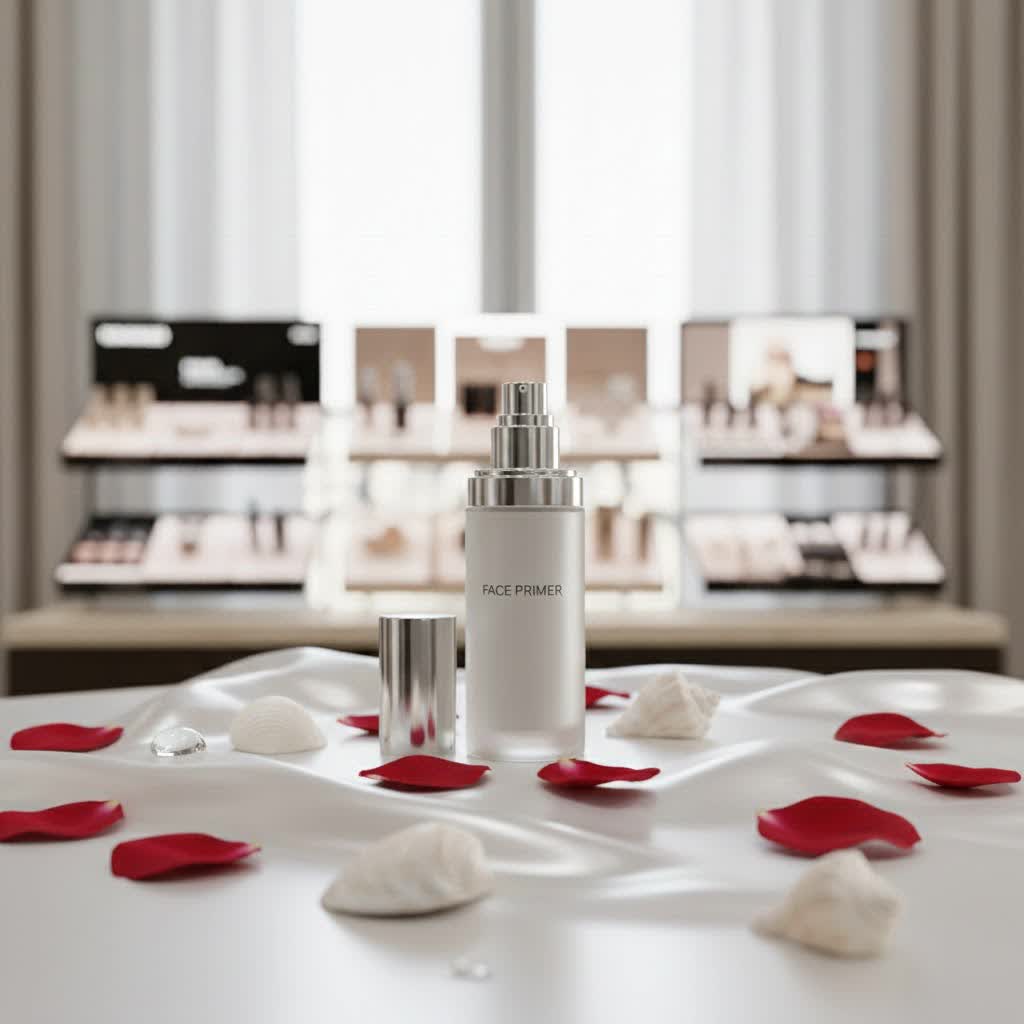
Here at DSWCC, we’re all about empowering you with the knowledge to make smart beauty choices. So, let’s dive deep into the world of poreless primers and uncover everything you need to know, from ingredients to application techniques, to achieve that coveted, airbrushed finish.
What Exactly is a Poreless Face Primer and Why Do You Need It?
At its core, a poreless face primer is a cosmetic product designed to create a smooth, even base for your makeup. Its primary job isn’t to permanently erase your pores (because, let’s be real, pores are natural!), but rather to cleverly blur and minimize their appearance. Think of it as a soft-focus lens for your skin.
These primers typically feature ingredients that fill in microscopic dips and valleys on your skin’s surface, like enlarged pores and fine lines. By creating this smooth, uniform layer, they prevent your foundation from settling into these areas, which can often accentuate imperfections. The result? A remarkably refined texture and a more even skin tone that looks naturally perfect.
“A great poreless primer acts like a gentle sculptor for your skin, refining its texture and creating a seamless connection between your skincare and your makeup,” explains Dr. Clara Beaumont, a renowned cosmetic chemist. “It’s not about masking your skin, but enhancing its natural beauty.”
Decoding the Ingredients: What Makes a Poreless Primer Tick?
Understanding the ingredients in your poreless face primer is key to choosing the right one for your skin. These formulas are often a blend of clever cosmetic science and beneficial skincare actives.
The Silicone Stars: Dimethicone and Crosspolymers
If you look at the ingredient list of most effective poreless primers, you’ll likely spot “dimethicone” or “dimethicone crosspolymer.” These are silicone-based compounds that are incredibly effective at creating that smooth, velvety feel.
- Dimethicone: This is a gentle, non-comedogenic silicone polymer that forms a breathable barrier on the skin. It helps to fill in fine lines and pores, creating a soft-focus effect and preventing makeup from sinking into texture.
- Dimethicone Crosspolymer: This ingredient creates a more resilient, gel-like texture that can provide even more significant blurring and a “grippy” surface for makeup adherence.
|
Our Picks for the Best Face Primer in 2026
As an Amazon Associate I earn from qualifying purchases.
|
||
| Num | Product | Action |
|---|---|---|
| 1 | 3 In 1Primer for Face Before Makeup,Sunscreen Isolation Cream, SPF 50, One Step Color Corrector Face Primer, Blurs Imperfections Oil Control & Moisturizing Skin Tone Correcting,Radiance Skin |

|
| 2 | e.l.f. Power Grip Primer, Gel-Based & Hydrating Face Primer For Smoothing Skin & Gripping Makeup, Moisturizes & Primes, 0.811 Fl Oz (24 ml.) |
|
| 3 | Maybelline Grippy Serum Primer, Hydrating Makeup Primer with 2% Niacinamide For Up To 24HR Make Up Wear, Clear, 1 Count |
|
| 4 | e.l.f. Hydrating Face Primer, Makeup Primer For Flawless, Smooth Skin & Long-Lasting Makeup, Fills In Pores & Fine Lines, Vegan & Cruelty-free, Large |
|
| 5 | e.l.f. Power Grip Primer Mini, Gel-Based & Hydrating Face Primer For Smoothing Skin & Gripping Makeup, Moisturizes & Primes |
|
| 6 | e.l.f. Liquid Poreless Putty Primer, Lightweight Face Primer For Long-lasting Makeup Wear, Creates A Smooth Complexion, Vegan & Cruelty-free |
|
| 7 | e.l.f. Hydrating Face Primer, Makeup Primer For Flawless, Smooth Skin & Long-Lasting Makeup, Fills In Pores & Fine Lines, Vegan & Cruelty-free, Small |
|
| 8 | e.l.f. Power Grip Primer + 4% Niacinamide, Gel-Based & Hydrating Face Primer, Evens Skin & Brightens, Grips Makeup, Vegan & Cruelty-Free, 0.8 Fl Oz |
|
| 9 | F.O.X STUNNING MAKEUP PRIMER-Green |
|
| 10 | LAURA GELLER NEW YORK Spackle Primer - Hydrate - Super-Size 2 Fl Oz - Hyaluronic Acid Makeup Primer for Mature Skin |
|
These silicones are the heavy lifters when it comes to blurring and creating that coveted smooth finish. They act like tiny, invisible fillers, making your skin appear flawless without feeling heavy.
Skincare Saviors: Tea Tree Oil, Vitamins & Squalane
Beyond the blurring agents, many modern poreless face primer formulas incorporate beneficial skincare ingredients to offer more than just a smooth canvas.
- Tea Tree Oil (Melaleuca Alternifolia Leaf Oil): Known for its anti-inflammatory and antiseptic properties, tea tree oil can be a welcome addition for those with blemish-prone skin, helping to soothe and control breakouts while priming.
- Vitamins A & E (Retinyl Palmitate, Tocopheryl Acetate): These are potent antioxidants that can offer restorative benefits, protecting the skin from environmental stressors and supporting overall skin health. Vitamin A derivatives can also gently aid in skin renewal.
- Squalane: A fantastic emollient, squalane is excellent for moisture retention. It helps to keep the skin hydrated and supple, preventing that tight, dry feeling that some mattifying primers can cause.
The Mattifying Agents: Silica
For those battling shine, silica is often a star ingredient in poreless face primer designed for oil control.
- Silica: This finely milled mineral powder has excellent oil-absorbing properties. It helps to mattify the skin, reduce unwanted shine, and further blur the appearance of pores, making it a perfect ally for oily and combination skin types.
Finding Your Perfect Match: Choosing a Poreless Face Primer for Every Skin Type
The beauty of poreless face primer lies in its versatility. However, the “best” primer is always the one that caters to your unique skin needs.
For Oily & Combination Skin: The Shine Control Powerhouses
If you’re constantly battling a shiny T-zone or feel like your makeup melts away by midday, a mattifying poreless face primer is your best friend.
- What to look for: Seek out formulas rich in oil-absorbing ingredients like silica or clay. Silicone-based primers work wonders here, creating a smooth barrier while controlling shine. Many are labeled “mattifying” or “oil-control.”
- Pro Tip: Even if you have oily skin, don’t skip your lightweight gel moisturizer before priming. Hydrated skin is balanced skin, and it helps prevent your primer from looking patchy or exacerbating oil production.
For Dry & Dehydrated Skin: Hydration Meets Blurring
Dry skin needs a primer that blurs without clinging to dry patches or making your skin feel tight.
- What to look for: Prioritize primers with hydrating ingredients such as squalane, hyaluronic acid, or glycerin. These formulas often have a creamier, more emollient texture. You want a primer that plumps the skin while minimizing pores, not one that strips moisture.
- Avoid: Overly mattifying formulas or heavy silicones if they tend to emphasize flakiness for you. A “hydrating poreless primer” is your ideal pick.
For Sensitive & Acne-Prone Skin: Gentle Blurring is Key
When your skin is reactive or prone to breakouts, caution is your best policy. You still deserve that smooth canvas!
- What to look for: Opt for non-comedogenic (meaning it won’t clog pores), fragrance-free formulas. Ingredients like green tea extract can offer soothing benefits. While many silicones are non-comedogenic, if you’ve had issues in the past, consider water-based alternatives that still offer blurring properties.
- Patch-Testing: Always patch-test any new poreless face primer on a small, inconspicuous area (like your jawline) for a few days before applying it all over your face, especially if you have sensitive skin.
Master the Application: How to Use Poreless Face Primer Like a Pro
Even the most amazing poreless face primer won’t perform its magic if not applied correctly. Here’s a simple, step-by-step guide to achieving flawless results:
- Start with Clean, Moisturized Skin: This is non-negotiable! Always apply your primer after your full skincare routine (cleansing, toning, serum, moisturizer, and SPF). Give your moisturizer and sunscreen a good 2-3 minutes to fully absorb into your skin before moving on. This prevents pilling and ensures a smooth application.
- Use a Pea-Sized Amount: Seriously, a little goes a long way with poreless primers. Over-application is one of the quickest routes to cakiness or your makeup sliding off. Start with a tiny dab; you can always add more if needed.
- Warm It Up (Especially Putty Formulas): If you’re using a thicker, putty-style poreless face primer, gently rub the product between your fingertips for a few seconds. The warmth helps the formula melt slightly, making it smoother to apply and blend.
- Focus on Problem Areas: You don’t necessarily need to cover your entire face. Concentrate the primer on areas where pores are most visible, typically around the nose, forehead, and chin (your T-zone). Gently press the product into these areas.
- Press, Don’t Rub: When applying, use gentle pressing or patting motions rather than harsh rubbing. This helps the primer effectively fill in pores and create that smooth, gripping surface. Rubbing can sometimes displace the product or create streaks.
- Let It Set for 30-60 Seconds: This is a crucial, often overlooked step! Give your poreless face primer a moment to dry down and create its invisible barrier. Rushing straight into foundation can cause the products to mix and pill, negating the primer’s benefits.
- Apply Your Makeup: Once set, proceed with your foundation, concealer, and other makeup products. You’ll notice how much smoother and more effortlessly they glide on, and how much better they adhere to your skin.
Pro Tip: Did you know you can wear poreless face primer alone? On “no-makeup” days, a touch of primer can give your skin a beautiful, soft-focus finish that looks polished and healthy. You can also dab a tiny bit on your eyelids or lips to create a smoother base for eyeshadow or to prevent lipstick feathering!
Common Poreless Primer Pitfalls and How to Fix Them
Even experienced makeup lovers can sometimes fall into common primer traps. Here’s how to avoid them and ensure your poreless face primer always performs its best:
Mistake 1: Using Too Much Product
This is probably the most frequent error. Thinking “more is better” with primer actually leads to a slick, unstable base that causes makeup to slip, pill, or look heavy.
- Fix It: Stick to a pea-sized amount for your entire face, focusing on problem areas. It’s surprisingly effective!
Mistake 2: Skipping Skincare (especially moisturizer)
Applying a silicone-heavy poreless face primer to dry or dehydrated skin is a recipe for disaster, leading to flaking, patchiness, and an uneven makeup application.
- Fix It: Primer is not a substitute for your skincare. Always complete your full skincare routine, including moisturizing, and allow those products to fully absorb before reaching for your primer.
Mistake 3: Not Letting it Set
Patience is a virtue in makeup application, especially with primer. Applying foundation too quickly can lead to a messy, pilled texture.
- Fix It: After applying your poreless face primer, wait 30-60 seconds for it to fully dry down and form its barrier. Use this time to choose your foundation or finish your brows!
Mistake 4: Choosing the Wrong Formula
Using a mattifying primer on dry skin or a hydrating primer on extremely oily skin won’t give you the desired results and can even make your skin concerns worse.
- Fix It: Always match your poreless face primer to your specific skin type and primary concerns. Refer to our guide above to pick your perfect match.
Mistake 5: Uneven Application
Rushing through primer application can leave certain areas unprimed, leading to inconsistent makeup wear and finish.
- Fix It: Take a moment to ensure you’ve blended your poreless face primer evenly, especially in areas with visible pores or texture. Pressing the product in rather than just spreading it can help ensure thorough coverage.
Poreless Primer Selection Checklist
Ready to find your holy grail poreless face primer? Use this handy checklist:
- Skin Type Compatibility: Is it designed for oily, dry, combination, or sensitive skin?
- Key Ingredients: Does it have blurring silicones, oil-absorbers, or hydrating/soothing actives?
- Desired Finish: Do you want a matte, natural, or slightly luminous “poreless” look?
- Texture: Do you prefer a gel, cream, or putty formula?
- Non-Comedogenic: Especially important for acne-prone skin.
- Longevity Claims: Does it promise extended makeup wear?
Your Poreless Primer Questions Answered (FAQ)
Q1: Can I wear poreless primer alone without foundation?
Absolutely! A lightweight poreless face primer can provide a soft-focus, perfected look on its own. It’s fantastic for “no-makeup makeup” days when you want a smooth complexion without the full coverage.
Q2: What’s the difference between blurring and poreless primer?
The terms “blurring” and “poreless” primer are often used interchangeably because their primary function is the same: to minimize the appearance of pores and create a smoother skin texture. “Blurring” emphasizes the soft-focus effect, while “poreless” highlights the reduction in pore visibility.
Q3: How long does poreless primer last on the skin?
The longevity of a poreless face primer varies by formula and individual skin type, but most are designed to provide effects for several hours, often extending makeup wear up to 8-12 hours. Look for primers with “long-wearing” or “24-hour” claims if extended wear is a priority.
Q4: Can poreless primer clog pores?
While many poreless face primer formulas, especially those with silicones, are non-comedogenic and designed not to clog pores, everyone’s skin is different. If you have extremely acne-prone skin, opt for formulas explicitly labeled “non-comedogenic” and always ensure thorough cleansing at the end of the day.
Q5: Is poreless primer good for mature skin?
Yes, poreless face primer can be excellent for mature skin! By filling in fine lines and wrinkles, it creates a smoother canvas, preventing foundation from settling into these areas and making them look more pronounced. Look for hydrating and blurring formulas that don’t emphasize dryness.
Your Journey to Pore-fection Starts Here
There you have it – your comprehensive guide to the transformative power of poreless face primer. From understanding its core function to mastering application and troubleshooting common mistakes, you’re now equipped with the expert knowledge to truly elevate your makeup game. No matter your skin type or concern, there’s a poreless primer out there waiting to unlock that effortlessly smooth, radiant complexion you’ve been dreaming of.
Don’t be afraid to experiment and find the formula that truly works for you. Your skin will thank you for it! And remember, for all things beauty, DSWCC is always here to be your trusted source for expert advice and insights. Share your poreless primer journey with us – we love hearing your experiences!
