As a seasoned makeup artist and skincare enthusiast with over a decade in the beauty industry, I’ve seen countless product innovations come and go. But one category that has truly revolutionized our daily routines is the Face Primer With Spf. Forget the days of thick, greasy sunscreens and primers that pill under your foundation. We’re now in an era where beauty and sun protection seamlessly blend, offering a dual-action hero that not only preps your skin for a flawless makeup application but also shields it from the sun’s relentless rays. At DSWCC, we’re all about empowering you with expert knowledge, and today, we’re diving deep into why a face primer with SPF isn’t just a trend, but an essential step for radiant, healthy skin.
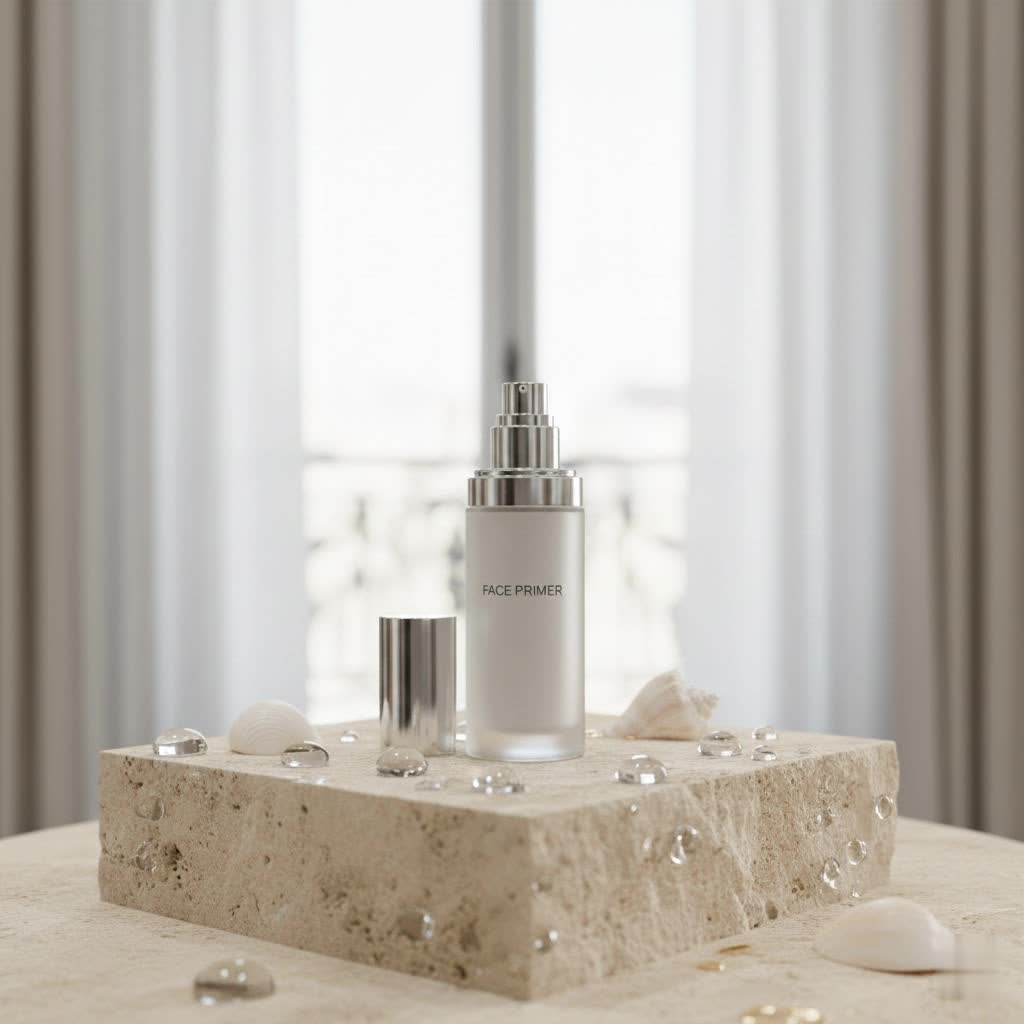
What Exactly is a Face Primer with SPF?
Think of a traditional face primer as the unsung hero of your makeup bag. Its job is to create a smooth, even canvas, blurring imperfections, minimizing pores, and extending the wear of your foundation. Now, imagine that hero donning a superhero cape – that’s your face primer with SPF. This innovative product combines all the skin-perfecting benefits of a primer with the crucial sun protection of an SPF, typically offering broad-spectrum defense against both UVA and UVB rays. It’s designed to be the bridge between your skincare and makeup, streamlining your routine without compromising on efficacy.
Why You Need a Face Primer with SPF in Your Routine
In our busy lives, every minute counts, and a multi-tasking product like a face primer with SPF is an absolute game-changer. It’s more than just convenience; it’s about elevating your skin health and makeup game simultaneously.
Seamless Makeup Application and Extended Wear
|
Our Picks for the Best Face Primer in 2026
As an Amazon Associate I earn from qualifying purchases.
|
||
| Num | Product | Action |
|---|---|---|
| 1 | e.l.f. Power Grip Primer, Gel-Based & Hydrating Face Primer For Smoothing Skin & Gripping Makeup, Moisturizes & Primes, 0.811 Fl Oz (24 ml.) |

|
| 2 | e.l.f. Liquid Poreless Putty Primer, Lightweight Face Primer For Long-lasting Makeup Wear, Creates A Smooth Complexion, Vegan & Cruelty-free |
|
| 3 | 3 In 1Primer for Face Before Makeup,Sunscreen Isolation Cream, SPF 50, One Step Color Corrector Face Primer, Blurs Imperfections Oil Control & Moisturizing Skin Tone Correcting,Radiance Skin |
|
| 4 | LAURA GELLER NEW YORK Spackle Primer - Hydrate - Super-Size 2 Fl Oz - Hyaluronic Acid Makeup Primer for Mature Skin |
|
| 5 | e.l.f. Power Grip Primer Mini, Gel-Based & Hydrating Face Primer For Smoothing Skin & Gripping Makeup, Moisturizes & Primes |
|
| 6 | e.l.f. Hydrating Face Primer, Makeup Primer For Flawless, Smooth Skin & Long-Lasting Makeup, Fills In Pores & Fine Lines, Vegan & Cruelty-free, Small |
|
| 7 | e.l.f. Power Grip Primer + 4% Niacinamide, Gel-Based & Hydrating Face Primer, Evens Skin & Brightens, Grips Makeup, Vegan & Cruelty-Free, 0.8 Fl Oz |
|
| 8 | F.O.X STUNNING MAKEUP PRIMER-Green |
|
| 9 | e.l.f. Hydrating Face Primer, Makeup Primer For Flawless, Smooth Skin & Long-Lasting Makeup, Fills In Pores & Fine Lines, Vegan & Cruelty-free, Large |
|
| 10 | Maybelline Grippy Serum Primer, Hydrating Makeup Primer with 2% Niacinamide For Up To 24HR Make Up Wear, Clear, 1 Count |
|
A good primer creates a refined surface, allowing your foundation to glide on effortlessly and look smoother. When SPF is infused, you get that same perfect canvas, ensuring your makeup doesn’t settle into fine lines or pores, and crucially, stays put for hours on end. It’s like an invisible shield that locks everything in place.
Daily Sun Protection Without the Hassle
We all know we should wear sunscreen every day, but let’s be honest, sometimes it feels like an extra, often sticky, step. A face primer with SPF removes that barrier. It delivers essential daily UV defense, helping to prevent photoaging, dark spots, and the long-term effects of sun exposure, even on cloudy days or when you’re mostly indoors. It’s consistent protection woven directly into your beauty ritual.
A Powerful Shield Against Environmental Damage
Beyond just UV rays, many primers with SPF are packed with beneficial skincare ingredients like antioxidants. These help defend your skin against environmental aggressors like pollution, which can contribute to premature aging and dullness. It’s a proactive approach to maintaining youthful, vibrant skin.
Decoding Your Perfect Match: Choosing the Right Face Primer with SPF
Selecting the ideal face primer with SPF isn’t a one-size-fits-all endeavor. It’s about understanding your unique skin needs and desired makeup finish. Let’s break down how to find your perfect match.
How to Pick an SPF Primer Based on Your Skin Type
- Oily/Acne-Prone Skin: If shine is your nemesis, look for mattifying, oil-free, and non-comedogenic formulas. Silicone-based primers can also be excellent for blurring large pores and controlling sebum production throughout the day. Ingredients like silica or salicylic acid can be beneficial.
- Dry/Dehydrated Skin: Hydration is key here. Opt for primers enriched with humectants like hyaluronic acid, glycerin, or squalane. Water-based or gel-textured options often provide a dewy, plump finish without emphasizing dry patches. Avoid anything too mattifying or alcohol-heavy, as these can exacerbate dryness.
- Combination Skin: You’re a balancing act! Consider using two different primers – a mattifying one on your oilier T-zone and a hydrating one on drier areas like your cheeks. Alternatively, many brands offer balanced, universal formulas designed to address both concerns without overdoing it.
- Sensitive Skin: Gentle is the name of the game. Seek out fragrance-free, hypoallergenic primers. Mineral SPF filters (zinc oxide and titanium dioxide) are often preferred for sensitive skin as they sit on the skin’s surface and are less likely to cause irritation compared to some chemical filters. Always check for a minimalist ingredient list.
- Normal Skin: Lucky you! Most formulas will work. You can focus on primers that offer pore-blurring, illuminating effects, or simply a smooth, long-wearing base with your preferred SPF level.
What SPF Level Should You Look For?
For adequate daily protection, especially if you spend any time outdoors, aim for a face primer with SPF of at least 30. While some products offer SPF 15 or 20, an SPF 30 or higher provides a more robust shield against harmful UV rays. Always choose broad-spectrum protection to guard against both UVA (aging) and UVB (burning) rays.
Chemical vs. Mineral SPF: What’s the Difference?
Understanding the two main types of SPF filters helps you make an informed choice.
- Mineral (Physical) SPF: Contains zinc oxide and/or titanium dioxide. These ingredients create a physical barrier on the skin’s surface, reflecting UV rays away. They are often recommended for sensitive and acne-prone skin because they are less likely to cause irritation. Newer mineral formulations are much sheerer than their pasty predecessors, but some can still leave a slight white cast on deeper skin tones. They offer immediate protection upon application.
- Chemical SPF: Contains organic compounds like avobenzone, octinoxate, or octisalate. These filters absorb into the skin and work by converting UV rays into heat, which is then released from the skin. Chemical SPF primers tend to be lightweight, invisible, and blend seamlessly, making them a popular choice for all skin tones. However, they typically need about 15-20 minutes to become fully effective after application and can sometimes be irritating for very sensitive skin.
Desired Finish and Key Ingredients
Do you prefer a matte, dewy, blurring, or illuminating finish? Many SPF primers are formulated to deliver a specific look alongside their protective benefits. Look for additional skincare ingredients that benefit your concerns:
- Hyaluronic Acid: For intense hydration and plumping.
- Niacinamide: To help reduce redness, minimize pores, and improve skin tone.
- Antioxidants (Vitamins C & E): To further protect against environmental damage.
- Silica: Excellent for oil absorption and mattifying effects.
The Art of Application: How to Use Your Face Primer with SPF Effectively
Applying your face primer with SPF correctly is crucial to maximize its benefits. It’s not just about slapping it on; it’s about thoughtful layering.
Step-by-Step Guide for Flawless Application:
- Cleanse and Moisturize: Start with freshly cleansed skin. After applying your serums, follow up with your regular moisturizer. This ensures your skin is adequately prepped and hydrated before the primer.
- Apply Your Primer: Dispense a pea-sized amount of your face primer with SPF onto your fingertips. Gently apply it evenly across your entire face, focusing on areas where you want to minimize pores or control shine. Don’t forget your neck and décolletage for added protection.
- Allow it to Set: This is a crucial step! Give your primer 2-5 minutes to fully absorb and create its magic barrier. Rushing this step can lead to pilling or your foundation not adhering properly.
- Proceed with Makeup: Once your primer has set, you can confidently apply your foundation, concealer, and other makeup products. You’ll notice how much smoother everything goes on and how much longer it lasts.
Pro Tips for Maximizing Protection and Perfection:
- Layer, Don’t Replace: While a face primer with SPF is fantastic, it should ideally be considered an additional layer of protection, not a total replacement for your dedicated sunscreen, especially if you’ll be spending extended time in direct sunlight. Think of it as your daily baseline, with extra sunscreen for intense exposure.
- Reapply (if needed): For touch-ups throughout the day, especially if you’re sweating or spending more time outdoors, consider using an SPF setting spray or a mineral powder SPF to boost your sun protection without disturbing your makeup.
- Mind Your Edges: Don’t forget to extend your primer to the hairline, around the ears, and down your neck for comprehensive coverage.
Common Pitfalls and How to Avoid Them
Even with the best intentions, it’s easy to make mistakes that diminish the effectiveness of your face primer with SPF.
- Mistake 1: Skipping Moisturizer: Some believe an SPF primer can replace moisturizer. No! Primer is a prep step, not a skincare replacement. Always moisturize first to keep your skin healthy and ensure optimal primer performance.
- Mistake 2: Applying Too Much Product: A little goes a long way. Using too much primer can lead to a heavy, cakey feel or even cause your foundation to slip and pill. Start with a pea-sized amount and add more only if absolutely necessary.
- Mistake 3: Not Letting it Set: Patience is a virtue in makeup. Applying foundation immediately after primer doesn’t give the primer time to create its bond, leading to a less effective canvas and potentially uneven makeup.
- Mistake 4: Choosing the Wrong Formula: Using a mattifying primer on dry skin or a hydrating one on oily skin will only exacerbate your skin concerns. Always match your primer to your skin type and desired outcome.
- Mistake 5: Relying Solely on SPF Primer for Intense Sun Exposure: As mentioned, while excellent for daily wear, for beach days, sports, or prolonged outdoor activity, you’ll still want to layer a dedicated, high-SPF sunscreen underneath your primer for maximum protection.
DSWCC’s Top Picks: Face Primers with SPF We Love
Here at DSWCC, we’ve tested countless formulas, and while we believe the best product is the one that works for your skin, we can certainly highlight types that excel:
- For the Oily-Skinned & Pore-Conscious: Look for lightweight, gel-based mattifying primers with SPF 30+. They keep shine at bay and blur imperfections beautifully.
- For the Dry & Dewy Lovers: Opt for creamy, hydrating formulas infused with SPF 40+ that give a radiant, plumping effect without feeling greasy.
- For Sensitive Souls: Mineral-based SPF primers (zinc oxide, titanium dioxide) with a gentle, fragrance-free formula and at least SPF 30 are your best friends.
- For the On-the-Go Glow-Getter: Sheer, invisible formulas with a higher SPF (50+) that blend seamlessly and provide a subtle radiance are perfect.
Expert Insight
“A face primer with SPF isn’t just a product; it’s a smart skin investment,” says Dr. Elara Vance, a renowned Cosmetic Dermatologist. “It addresses the two biggest challenges in daily beauty: achieving flawless makeup and consistent sun protection. When applied correctly, it simplifies your routine while providing a crucial layer of defense against premature aging and sun damage. It’s about working smarter, not harder, for your skin’s long-term health.”
Frequently Asked Questions (FAQ)
Q: Can I skip moisturizer if my primer has SPF?
A: No, an SPF primer does not replace your moisturizer. Moisturizer provides essential hydration and nourishment to your skin, while primer preps the surface for makeup. Always apply your moisturizer first, then your primer.
Q: Does a primer with SPF replace my regular sunscreen?
A: For everyday, incidental sun exposure, a good face primer with SPF 30+ can provide adequate protection. However, for prolonged outdoor activities, intense sun, or if you apply makeup sparingly, it’s best to use a dedicated, broad-spectrum sunscreen underneath your primer as an additional layer of defense.
Q: How often should I reapply face primer with SPF?
A: Typically, the SPF in your primer is intended for initial application and daily wear. If you are spending extended time outdoors, sweating, or swimming, you should reapply a dedicated sunscreen every two hours. For makeup wearers, an SPF setting spray or mineral powder SPF can offer a convenient touch-up.
Q: Can I use a face primer with SPF on its own without makeup?
A: Absolutely! Many face primers with SPF offer blurring, illuminating, or tone-evening benefits that can leave your skin looking polished and protected, even without foundation. It’s a great option for “no-makeup makeup” days.
Q: Will a face primer with SPF leave a white cast?
A: While older mineral SPF formulas sometimes left a white cast, advancements in technology mean many modern SPF primers (both chemical and mineral) are designed to be sheer and invisible on most skin tones. Look for formulas specifically marketed as “invisible,” “clear,” or “no white cast.”
Final Thoughts
Integrating a face primer with SPF into your daily routine is one of the smartest beauty decisions you can make. It’s a testament to how far cosmetic science has come, offering us products that not only make us look good but actively contribute to our skin’s long-term health. By understanding your skin type, choosing the right formula, and applying it correctly, you unlock the secret to a consistently flawless makeup look paired with vital sun protection. So go ahead, embrace this beauty powerhouse, and let your radiant, protected skin shine through. Your future self will thank you!
