Stepping into the world of makeup can feel like navigating a complex maze, especially when it comes to creating that perfect, long-lasting base. If you’ve ever dreamt of an airbrushed finish, smoother skin, and makeup that stays put all day, then a Silicone Face Primer might just be the game-changer you need. As a seasoned expert with over a decade in the beauty industry and the official content creator for DSWCC, I’m here to demystify this essential product and help you unlock its full potential for a truly flawless complexion.
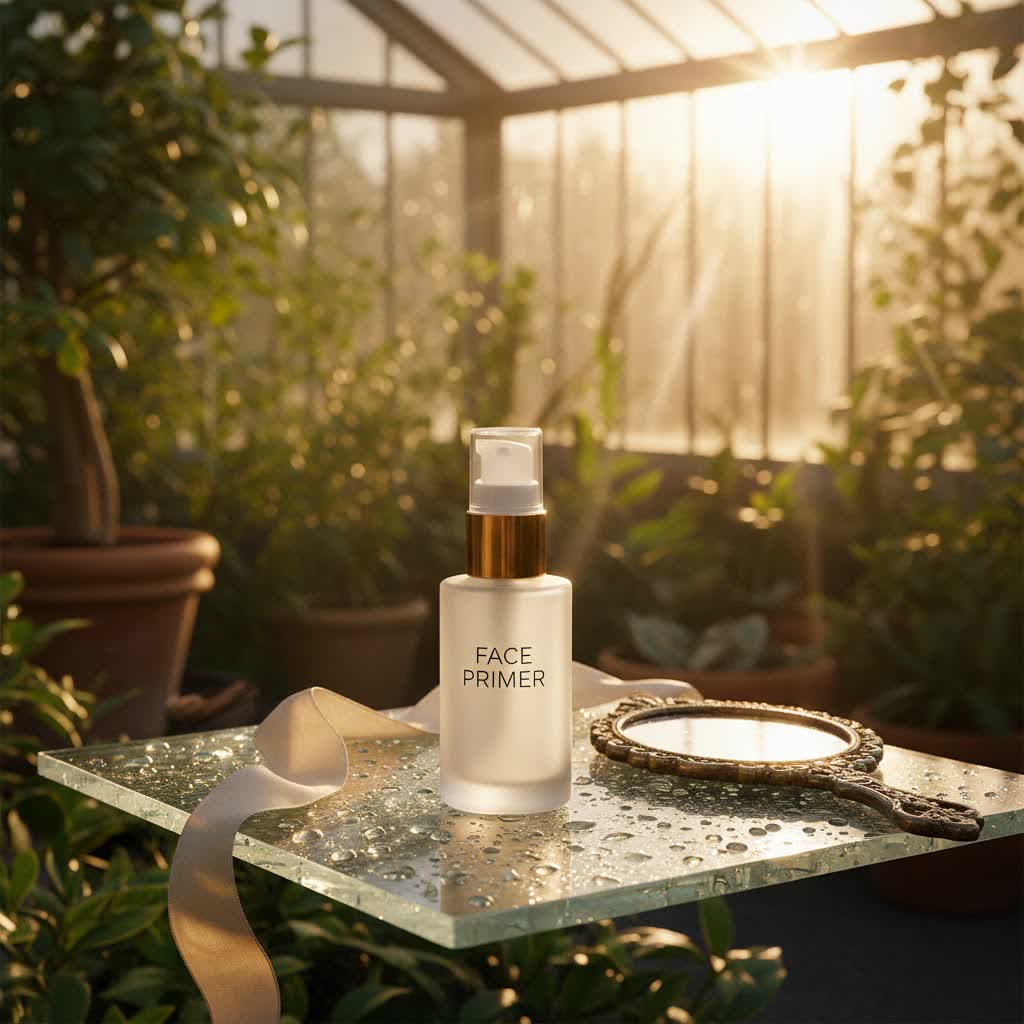
What Exactly is a Silicone Face Primer?
At its core, a silicone face primer is a beauty product formulated with various silicone-derived ingredients, such as dimethicone, cyclomethicone, or anything ending in “-cone” or “-siloxane.” These synthetic compounds, made from silicon, oxygen, hydrogen, and carbon, create a breathable, smooth barrier on the skin’s surface. Think of it as a soft-focus filter in real life, designed to prepare your skin for makeup application. It doesn’t get absorbed into your skin but instead forms a silky veil, providing an ideal canvas for your foundation to glide on.
The Unbeatable Benefits of Silicone Face Primer
The popularity of silicone face primers isn’t just hype; it’s backed by tangible benefits that can dramatically improve your makeup application and wear.
Pore-Blurring & Skin Smoothing
|
Our Picks for the Best Face Primer in 2026
As an Amazon Associate I earn from qualifying purchases.
|
||
| Num | Product | Action |
|---|---|---|
| 1 | e.l.f. Hydrating Face Primer, Makeup Primer For Flawless, Smooth Skin & Long-Lasting Makeup, Fills In Pores & Fine Lines, Vegan & Cruelty-free, Small |

|
| 2 | e.l.f. Power Grip Primer, Gel-Based & Hydrating Face Primer For Smoothing Skin & Gripping Makeup, Moisturizes & Primes, 0.811 Fl Oz (24 ml.) |
|
| 3 | F.O.X STUNNING MAKEUP PRIMER-Green |
|
| 4 | e.l.f. Hydrating Face Primer, Makeup Primer For Flawless, Smooth Skin & Long-Lasting Makeup, Fills In Pores & Fine Lines, Vegan & Cruelty-free, Large |
|
| 5 | e.l.f. Liquid Poreless Putty Primer, Lightweight Face Primer For Long-lasting Makeup Wear, Creates A Smooth Complexion, Vegan & Cruelty-free |
|
| 6 | e.l.f. Power Grip Primer Mini, Gel-Based & Hydrating Face Primer For Smoothing Skin & Gripping Makeup, Moisturizes & Primes |
|
| 7 | LAURA GELLER NEW YORK Spackle Primer - Hydrate - Super-Size 2 Fl Oz - Hyaluronic Acid Makeup Primer for Mature Skin |
|
| 8 | Maybelline Grippy Serum Primer, Hydrating Makeup Primer with 2% Niacinamide For Up To 24HR Make Up Wear, Clear, 1 Count |
|
| 9 | 3 In 1Primer for Face Before Makeup,Sunscreen Isolation Cream, SPF 50, One Step Color Corrector Face Primer, Blurs Imperfections Oil Control & Moisturizing Skin Tone Correcting,Radiance Skin |
|
| 10 | e.l.f. Power Grip Primer + 4% Niacinamide, Gel-Based & Hydrating Face Primer, Evens Skin & Brightens, Grips Makeup, Vegan & Cruelty-Free, 0.8 Fl Oz |
|
One of the most celebrated qualities of a silicone face primer is its ability to create an instantly smoother skin texture. The silicone polymers work by filling in microscopic texture irregularities like enlarged pores, fine lines, and even minor acne scarring. This “spackle” effect results in an incredibly even surface, preventing foundation from settling into these areas and making them less noticeable.
Extending Makeup Wear
We’ve all experienced the frustration of makeup fading or sliding off by midday. Silicone primers form a crucial barrier between your skin and your foundation, helping your makeup adhere better and last significantly longer. This occlusive film locks your foundation in place, reducing creasing, fading, and breakdown, especially useful in humid conditions or for long days.
Oil Control & Mattifying Finish
For those battling excess shine, a mattifying silicone face primer can be a true savior. Many formulas include mattifying agents that absorb excess sebum throughout the day, helping to control oil and maintain a balanced, shine-free complexion. While silicones don’t stop oil production, they can prevent oils from breaking down your makeup, keeping your face looking fresh and matte for hours.
The “Airbrushed” Effect
Ultimately, a well-applied silicone primer helps you achieve that coveted “airbrushed” finish. By blurring imperfections and providing a smooth base, your foundation looks more even, seamless, and professionally applied. It’s the secret weapon for a truly polished look.
Is Silicone Face Primer Right for Your Skin Type?
Choosing the right primer is paramount to achieving your desired makeup look. Here’s how a silicone face primer performs across different skin types:
For Oily and Combination Skin
Silicone primers are a dream come true for oily and combination skin types. Their ability to control shine, minimize enlarged pores, and extend makeup wear makes them ideal for keeping T-zones matte and foundation from sliding. If your skin tends to get shiny or your makeup breaks down quickly due to oil, a silicone primer is an excellent choice.
For Textured Skin (Pores, Fine Lines)
If you struggle with visible pores, fine lines, or slight textural irregularities, a silicone primer is your go-to. Its smoothing properties can dramatically reduce their appearance, creating a much more even and refined canvas for your makeup.
When to Proceed with Caution (Dry, Sensitive, Acne-Prone Skin)
While generally considered non-comedogenic (meaning it won’t clog pores), individual reactions vary. If you have very dry or dehydrated skin, silicone primers might not be the best fit, as they don’t add moisture and can sometimes emphasize flaky patches by settling into dry areas. For those with sensitive or acne-prone skin, it’s crucial to cleanse thoroughly, as silicones can create a barrier that, if not properly removed, might trap sebum and contribute to breakouts. Always patch-test new products if you have reactive skin.
Silicone vs. Water-Based Primers: The Compatibility Key
Understanding the base of your primer and foundation is crucial to avoid common makeup mishaps like pilling or separation.
A silicone face primer works best when paired with a silicone-based foundation. How do you tell? Look for ingredients ending in “-cone,” “-methicone,” or “-siloxane” high up in the ingredient list. When you mix a silicone-based primer with a water-based foundation (or vice versa), the different molecular structures can repel each other, leading to your makeup “pilling” or looking patchy. Water-based primers, on the other hand, are typically lightweight and hydrating, often with water or glycerin as primary ingredients, and are best suited for water-based foundations. Always check your labels to ensure compatibility for a seamless finish.
Mastering Application: How to Use Silicone Face Primer Like a Pro
Applying silicone face primer correctly is key to maximizing its benefits. Follow these expert steps for a truly professional result:
1. Prep Your Canvas
Always start with a freshly cleansed and moisturized face. Apply your serums and moisturizer, then allow them to absorb completely for at least 3-5 minutes. Rushing this step can lead to pilling.
2. The Right Amount is Key
When it comes to silicone primers, a little goes a long way. Dispense just a pea-sized amount onto your clean fingertips. Using too much can make your skin feel greasy, lead to product buildup, and even cause your foundation to slide off.
3. Gentle Application Technique
Gently rub the primer between your index and middle fingers to warm it slightly. Then, instead of rubbing aggressively, gently press and smooth the primer onto the areas where you need it most—typically your T-zone, cheeks where pores are visible, or any areas with fine lines. You can apply it all over for an overall blurring effect if desired.
4. The Crucial Waiting Game
This step is often overlooked! After applying your silicone face primer, wait 1-2 minutes for it to set. This allows the silicone film to properly form and create that smooth, slightly tacky base that grips your foundation effectively. Resist the urge to apply foundation immediately.
Pro Application Sequence:
- Cleanse
- Tone (if part of your routine)
- Serum
- Moisturizer (allow 3-5 minutes to absorb)
- Sunscreen (if daytime, wait 2-3 minutes to absorb)
- Silicone Face Primer (wait 1-2 minutes to set)
- Foundation
- Concealer (optional)
- Setting Powder or Spray
Common Mistakes to Avoid for a Flawless Finish
Even experienced makeup enthusiasts can fall into traps that sabotage their primer’s performance. Here are the top errors and how to fix them:
Over-Application: Less is More
As mentioned, using too much silicone face primer is a common mistake. It won’t give you extra blurring power; instead, it can lead to a heavy, slippery feel and make your foundation difficult to blend or prone to sliding. Stick to a pea-sized amount.
Skipping Skincare Absorption
Applying primer over wet or tacky skincare products is a recipe for disaster. The primer will likely pill or not adhere properly. Always ensure your serums, moisturizers, and sunscreens have fully absorbed before reaching for your primer.
Ignoring Primer-Foundation Compatibility
This is a cardinal rule. Pairing a silicone primer with a water-based foundation can lead to separation, patchiness, or pilling. Always match your primer and foundation bases for the smoothest, longest-lasting results.
Incomplete Removal at Day’s End
Since silicone primers create a barrier on the skin, it’s essential to remove them thoroughly. Skipping this step can lead to product buildup, which might contribute to clogged pores over time. Incorporate double cleansing into your nightly routine: start with an oil-based cleanser or balm to dissolve the silicone, followed by a gentle foaming or gel cleanser.
“A well-chosen silicone face primer acts as the ultimate stylist for your skin, refining texture and extending your makeup’s allure. But remember, the magic truly unfolds when application is precise and removal is meticulous. It’s about creating a harmonious relationship between your skin, your primer, and your foundation.”
— Sarah Miller, Lead Makeup Artist at DSWCC
Conclusion
A silicone face primer is an invaluable tool in your makeup arsenal, capable of transforming your complexion into a smooth, pore-less, and long-lasting canvas. By understanding its unique properties, knowing when and how to apply it correctly, and being mindful of product compatibility, you can elevate your makeup routine to new heights. Don’t be afraid to experiment with different silicone primers to find the one that perfectly complements your skin and foundation. With the right technique, you’ll confidently achieve that coveted airbrushed finish, making every makeup day a good makeup day. So go ahead, embrace the power of primer and let your radiant, perfected complexion shine through!
