Stepping into the world of makeup can sometimes feel like navigating a maze, especially with countless products promising to transform your complexion. But if there’s one unsung hero that truly elevates your entire look, it’s face primer. Think of it as the secret weapon in your beauty arsenal, the silent partner that ensures your artistry stays impeccable from morning till night. A Top Rated Face Primer doesn’t just create a smooth canvas; it’s a strategic bridge between your skincare and makeup, tailored to address your unique skin concerns and enhance your foundation’s performance. At DSWCC, we believe understanding this crucial step is the key to unlocking truly flawless and long-lasting makeup.
What Exactly Does a Face Primer Do?
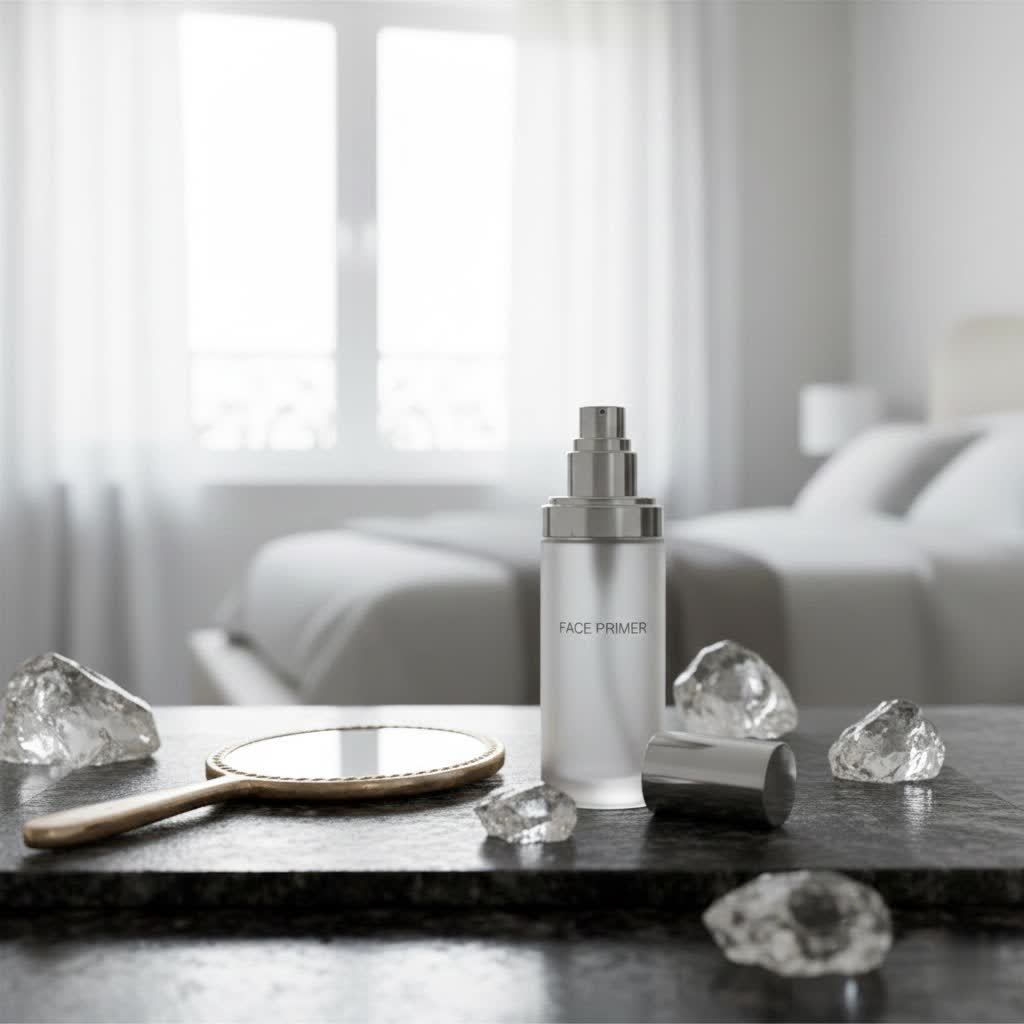
A face primer is much more than just an extra layer; it’s a multi-tasking marvel designed to optimize your makeup application and wear. Its primary function is to create a refined surface that allows foundation, concealer, and other complexion products to glide on smoothly, preventing them from settling into fine lines or pores. Beyond smoothing, primers offer a spectrum of benefits: blurring imperfections, controlling shine, boosting hydration, or even correcting discoloration.
“A truly top rated face primer doesn’t just sit on your skin; it works synergistically with your natural complexion and subsequent makeup layers to lock everything in place and perfect the finish,” explains Dr. Evelyn Reed, DSWCC Lead Skincare Scientist. “It’s about preparing your skin for its best performance, acting as a protective barrier while enhancing makeup longevity and overall aesthetic.”
Finding Your Perfect Match: How to Choose a Face Primer for Your Skin Type
The secret to a truly effective primer lies in matching it to your individual skin type and concerns. A primer that works wonders for oily skin might be a disaster for dry skin, and vice versa. Let’s break down how to choose your ideal top rated face primer.
For Oily Skin
|
Our Picks for the Best Face Primer in 2026
As an Amazon Associate I earn from qualifying purchases.
|
||
| Num | Product | Action |
|---|---|---|
| 1 | e.l.f. Hydrating Face Primer, Makeup Primer For Flawless, Smooth Skin & Long-Lasting Makeup, Fills In Pores & Fine Lines, Vegan & Cruelty-free, Small |

|
| 2 | e.l.f. Power Grip Primer Mini, Gel-Based & Hydrating Face Primer For Smoothing Skin & Gripping Makeup, Moisturizes & Primes |
|
| 3 | 3 In 1Primer for Face Before Makeup,Sunscreen Isolation Cream, SPF 50, One Step Color Corrector Face Primer, Blurs Imperfections Oil Control & Moisturizing Skin Tone Correcting,Radiance Skin |
|
| 4 | e.l.f. Hydrating Face Primer, Makeup Primer For Flawless, Smooth Skin & Long-Lasting Makeup, Fills In Pores & Fine Lines, Vegan & Cruelty-free, Large |
|
| 5 | e.l.f. Liquid Poreless Putty Primer, Lightweight Face Primer For Long-lasting Makeup Wear, Creates A Smooth Complexion, Vegan & Cruelty-free |
|
| 6 | e.l.f. Power Grip Primer + 4% Niacinamide, Gel-Based & Hydrating Face Primer, Evens Skin & Brightens, Grips Makeup, Vegan & Cruelty-Free, 0.8 Fl Oz |
|
| 7 | LAURA GELLER NEW YORK Spackle Primer - Hydrate - Super-Size 2 Fl Oz - Hyaluronic Acid Makeup Primer for Mature Skin |
|
| 8 | e.l.f. Power Grip Primer, Gel-Based & Hydrating Face Primer For Smoothing Skin & Gripping Makeup, Moisturizes & Primes, 0.811 Fl Oz (24 ml.) |
|
| 9 | Maybelline Grippy Serum Primer, Hydrating Makeup Primer with 2% Niacinamide For Up To 24HR Make Up Wear, Clear, 1 Count |
|
| 10 | F.O.X STUNNING MAKEUP PRIMER-Green |
|
If you battle with excess shine, especially in your T-zone, you’ll want a primer that’s adept at oil control and mattifying. Look for formulas that contain silicone, kaolin clay, or ingredients like rice bran extract. These help to absorb excess oil, minimize the appearance of pores, and create a smooth, matte finish that keeps your foundation from sliding. However, be cautious: sometimes intensely mattifying primers can paradoxically trigger your skin to produce even more oil. In some cases, a lightweight, hydrating primer can actually help balance oil production.
For Dry Skin
Dry skin craves hydration. Your ideal primer will be rich in moisturizing ingredients to prevent makeup from clinging to dry patches or flaking. Seek out hydrating primers with hyaluronic acid, glycerin, shea butter, coconut water, or vitamin E. These water-based or cream-based formulas plump the skin, create a dewy finish, and ensure your foundation looks fresh and radiant, not patchy or dull.
For Combination Skin
Combination skin is a balancing act, with oily areas (often the T-zone) and drier patches (cheeks). A versatile top rated face primer is essential here. Many with combination skin find success with lightweight, hydrating primers that help to normalize oil production without over-drying. You might also consider “multi-priming” – using a mattifying primer in oily zones and a hydrating one on drier areas. Ingredients like niacinamide, aloe water, and jojoba oil can be particularly beneficial.
For Sensitive Skin
If your skin easily reacts to products, a gentle, soothing, and fragrance-free primer is a must. Look for non-comedogenic formulas designed not to clog pores or cause irritation. Primers infused with ingredients like probiotics, coconut water, or even silk powder can provide a protective barrier and calm the skin while creating a smooth base. Always patch test new products to ensure compatibility.
For Acne-Prone Skin
Acne-prone skin needs careful consideration. You’ll want primers that are strictly non-comedogenic (won’t clog pores) and ideally oil-free. Some top rated face primers for acne-prone skin even contain clarifying ingredients like salicylic acid or zinc to help treat existing breakouts and prevent new ones while creating a smoother surface for makeup. Lightweight gel or putty textures are often preferred.
For Mature Skin
Mature skin often benefits from primers that smooth out fine lines and wrinkles, add hydration, and impart a luminous glow. Look for formulas packed with skin-loving ingredients such as peptides, vitamins (B, C, E), hyaluronic acid, shea butter, and squalane. These primers can blur imperfections, create a plumping effect, and ensure makeup doesn’t settle into creases, leaving a more youthful and radiant finish.
For Large Pores and a Blurring Effect
If large pores are your primary concern, silicone-based primers are often your best friend. Ingredients like dimethicone or cyclomethicone effectively fill in and smooth over pores, creating an airbrushed, soft-focus effect. Putty-like textures can also excel at blurring, providing an incredibly smooth canvas for your foundation.
For a Glowy or Illuminating Finish
For those who crave a healthy, lit-from-within radiance, a glow-effect or illuminating primer is perfect. These often contain subtle light-reflecting particles or brightening ingredients like niacinamide. They can be worn alone for a natural luminosity or under foundation to amplify a dewy finish.
The Art of Application: How to Use Face Primer Correctly
Even the most top rated face primer won’t deliver its full potential if not applied correctly. Here’s your step-by-step guide to mastering primer application:
- Start with a Clean Canvas: Always begin with freshly cleansed and moisturized skin. Primer is an enhancer, not a substitute for your regular skincare routine.
- Allow Skincare to Absorb: Give your serums and moisturizer a minute or two to fully sink into your skin. Applying primer too quickly after skincare can lead to pilling.
- Dispense a Pea-Sized Amount: Less is often more with primer. Start with a small amount – usually a pea-sized drop is sufficient for your entire face. You can always add a tiny bit more if needed, but too much can cause your makeup to slide.
- Apply Evenly: Use your fingertips, a flat foundation brush, or a damp makeup sponge to apply the primer. Gently massage or press it into your skin, focusing on areas where makeup tends to fade quickly, like the T-zone, around the nose, and cheeks. The warmth from your fingertips can help the product melt into your skin seamlessly.
- Let It Set: This is a crucial, often overlooked step! Give your primer a good 60 seconds (or even two minutes) to fully set and dry down before moving on to your foundation. This allows the primer to form its intended barrier and grip, preventing your makeup from mixing with it and resulting in a patchy finish.
Pro Tips for Primer Perfection:
- Match Your Bases: To avoid frustrating pilling or separation, try to match the base of your primer with your foundation. If you’re using a silicone-based primer, opt for a silicone-based foundation. Similarly, water-based primers typically pair best with water-based foundations.
- Don’t Forget Your Eyes and Lips: Face primers can often double as an eyeshadow base, especially for oily eyelids, helping to prevent creasing and intensify shadow color. For lips, a dedicated lip primer or even a tiny dab of face primer can create a smoother surface for lipstick, ensuring it stays vibrant and doesn’t bleed.
- Targeted Application: You don’t always need to apply primer all over your face. If you only have shine in your T-zone, apply a mattifying primer just there. If your cheeks are dry, focus a hydrating primer on those areas.
Common Primer Mistakes to Avoid
Even seasoned beauty enthusiasts can fall victim to common primer pitfalls. Sidestepping these will ensure your top rated face primer delivers its best performance:
- Using the Wrong Primer for Your Skin Type: As discussed, a primer for oily skin won’t serve dry skin, and vice-versa. Always choose a primer formulated to address your specific skin concerns.
- Applying Too Much Product: Over-applying primer can create a heavy, sticky base that causes foundation to slip, pill, or look cakey, rather than adhere smoothly. Remember, a little goes a long way!
- Skipping Moisturizer: Primer is a makeup prep step, not a substitute for your daily moisturizer. Even hydrating primers work best when applied over well-hydrated skin.
- Not Letting Primer Set: Patience is a virtue in makeup! Rushing to apply foundation before your primer has fully dried can lead to uneven application, pilling, and reduced makeup longevity.
- Not Matching Primer and Foundation Formulas: Mixing silicone-based primers with water-based foundations (or the reverse) can cause your products to separate, clump, and create a messy finish.
- Replacing Skincare with Primer: Never use primer to replace essential skincare steps like cleansing, toning, and moisturizing. Primer enhances, it doesn’t replace.
Top Rated Face Primers on the Market Today
The beauty market is brimming with incredible options. Based on extensive testing and expert recommendations, here are some top rated face primer picks that consistently deliver:
- Urban Decay All Nighter Face Primer: Often lauded as an overall best, this silky, hydrating, and long-lasting formula creates an impressive canvas, helping makeup stay put without feeling heavy. It’s a fantastic all-rounder for many skin types.
- Maybelline Baby Skin Instant Pore Eraser Primer: For an accessible and effective option, this drugstore gem is a fan favorite for instantly blurring pores and creating an ultra-smooth, matte finish. It truly feels like a “magic eraser” in a tube.
- Milk Makeup Hydro Grip Primer: A cult classic for a reason, this gripping gel primer provides an almost tacky finish that ensures foundation adheres impeccably. It’s surprisingly effective for both combination and oily skin types, offering hydration while keeping makeup locked down.
- Too Faced Hangover Replenishing Face Primer: Ideal for dry or sensitive skin, this vegan, hydrating cream primer is infused with coconut water and probiotics. It provides intense moisture, soothes the skin, and leaves behind a radiant, healthy glow, making it perfect for natural or “no makeup” makeup looks.
- Dr. Brandt Skincare Pores No More Pore Refiner Primer: A game-changer for acne-prone skin and those concerned with enlarged pores. Its salicylic acid-derived formula is lightweight, blurs pores without clogging them, and helps to calm the complexion.
Frequently Asked Questions
Q: Can I skip moisturizer if I use a hydrating primer?
A: No, absolutely not! While a hydrating primer offers an extra boost of moisture, it should not replace your regular moisturizer. Think of your skincare as foundational and your primer as the final prep step before makeup.
Q: How much primer should I use?
A: A pea-sized amount is usually sufficient for the entire face. Using too much can lead to pilling and cause your foundation to slide. Start small and add a tiny bit more if needed, focusing on areas that need extra attention.
Q: Can I wear primer alone?
A: Yes! Many people love wearing primer on its own, especially illuminating or blurring primers. It can instantly make your skin look smoother, more even-toned, and naturally polished without the heaviness of foundation.
Q: What causes primer to pill?
A: Pilling often occurs when you apply too much primer, don’t let your skincare fully absorb before applying primer, or don’t allow the primer itself to set before applying foundation. Also, mixing incompatible formulas (like a silicone-based primer with a water-based foundation) can cause pilling.
Q: Is face primer really necessary?
A: While not strictly mandatory for everyone, a top rated face primer can make a dramatic difference in the finish, longevity, and overall appearance of your makeup. If your foundation creases, fades, or settles into pores, or if you want to address specific skin concerns, a primer is definitely worth incorporating into your routine.
Conclusion
Embracing the power of a top rated face primer can truly revolutionize your makeup routine. From blurring imperfections and controlling shine to boosting hydration and extending wear, the right primer is your ultimate ally for achieving that coveted flawless finish. By understanding your skin type, choosing a primer tailored to your needs, and mastering the art of application, you’ll unlock a new level of confidence in your makeup. Don’t let your foundation go it alone – give it the perfect head start with a primer that works as hard as you do. Explore the world of primers and discover your perfect match today, and remember, for more expert insights and beauty tips, DSWCC is always here to guide you on your journey to radiant skin!
