As someone who’s spent over a decade immersed in the world of beauty, I’ve seen countless trends come and go, but one product has steadily risen to cult status for its transformative power: the Hydrating Face Primer. If you’re yearning for that elusive dewy finish, makeup that lasts all day, and skin that feels as good as it looks, then a hydrating face primer is your secret weapon. It’s more than just another step; it’s the bridge between your skincare and makeup, ensuring a flawless, radiant canvas every single time.
What is a Hydrating Face Primer, Anyway?
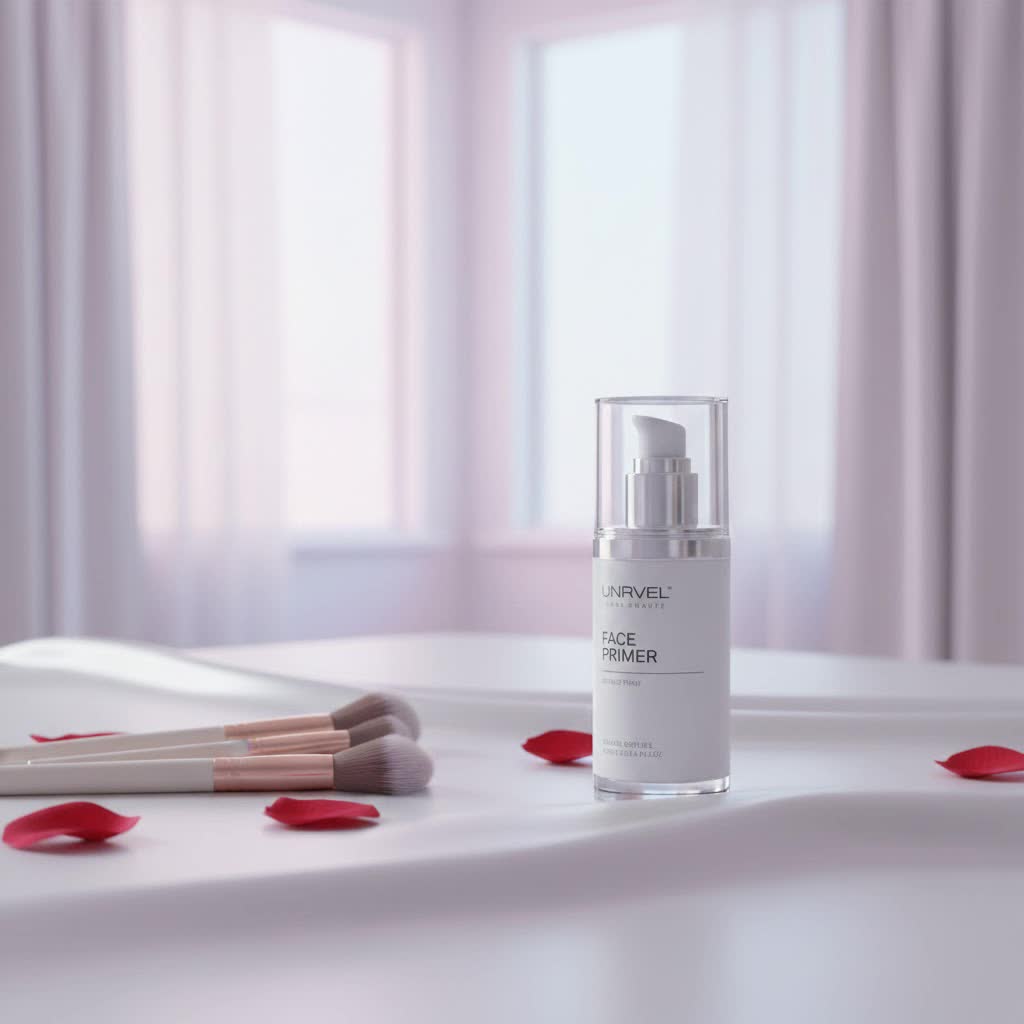
Think of a hydrating face primer as your skin’s personal bodyguard, specifically formulated to infuse and lock in moisture while creating a silky-smooth surface for your makeup. Unlike traditional silicone-heavy primers that primarily blur pores and mattify, a hydrating primer focuses on skin-first benefits. It’s packed with nourishing ingredients that plump, soften, and prepare your complexion, making it the ideal choice for anyone seeking a fresh, luminous, and long-wearing makeup look. This pre-makeup essential essentially conditions your skin, ensuring your foundation glides on effortlessly and stays put without clinging to dry patches or settling into fine lines.
Why Your Skin Will Thank You: Key Benefits of Hydrating Primers
Incorporating a hydrating face primer into your routine offers a multitude of benefits that go far beyond just extending makeup wear.
Enhanced Makeup Longevity
|
Our Picks for the Best Face Primer in 2026
As an Amazon Associate I earn from qualifying purchases.
|
||
| Num | Product | Action |
|---|---|---|
| 1 | F.O.X STUNNING MAKEUP PRIMER-Green |

|
| 2 | 3 In 1Primer for Face Before Makeup,Sunscreen Isolation Cream, SPF 50, One Step Color Corrector Face Primer, Blurs Imperfections Oil Control & Moisturizing Skin Tone Correcting,Radiance Skin |
|
| 3 | e.l.f. Power Grip Primer + 4% Niacinamide, Gel-Based & Hydrating Face Primer, Evens Skin & Brightens, Grips Makeup, Vegan & Cruelty-Free, 0.8 Fl Oz |
|
| 4 | e.l.f. Power Grip Primer, Gel-Based & Hydrating Face Primer For Smoothing Skin & Gripping Makeup, Moisturizes & Primes, 0.811 Fl Oz (24 ml.) |
|
| 5 | e.l.f. Hydrating Face Primer, Makeup Primer For Flawless, Smooth Skin & Long-Lasting Makeup, Fills In Pores & Fine Lines, Vegan & Cruelty-free, Small |
|
| 6 | LAURA GELLER NEW YORK Spackle Primer - Hydrate - Super-Size 2 Fl Oz - Hyaluronic Acid Makeup Primer for Mature Skin |
|
| 7 | e.l.f. Hydrating Face Primer, Makeup Primer For Flawless, Smooth Skin & Long-Lasting Makeup, Fills In Pores & Fine Lines, Vegan & Cruelty-free, Large |
|
| 8 | e.l.f. Liquid Poreless Putty Primer, Lightweight Face Primer For Long-lasting Makeup Wear, Creates A Smooth Complexion, Vegan & Cruelty-free |
|
| 9 | e.l.f. Power Grip Primer Mini, Gel-Based & Hydrating Face Primer For Smoothing Skin & Gripping Makeup, Moisturizes & Primes |
|
| 10 | Maybelline Grippy Serum Primer, Hydrating Makeup Primer with 2% Niacinamide For Up To 24HR Make Up Wear, Clear, 1 Count |
|
Well-hydrated skin creates a resilient base, preventing your foundation from oxidizing, creasing, or fading throughout the day. It helps makeup adhere better, ensuring your look remains fresh and vibrant from morning to night.
Improved Skin Texture & Smoothness
Ingredients designed to hydrate also work to plump up the skin, temporarily smoothing out fine lines and softening rough patches. This creates an instantly refined canvas, making your complexion appear more even and supple before you even apply foundation.
A Natural, Radiant Dewy Finish
If you love a healthy, “glass skin” glow, a hydrating primer is indispensable. Unlike matte formulas that can leave skin looking flat, these primers impart a natural luminosity, giving your complexion a subtle, lit-from-within radiance that beautifully complements current beauty trends.
Skin Barrier Support
Many hydrating face primers are infused with skincare heroes that actively support your skin’s natural barrier. This not only boosts overall skin health but also protects against environmental stressors. Some formulas even offer added benefits like SPF protection or antioxidant-rich botanicals, making them multitasking marvels.
Decoding the Ingredients: What Makes Hydrating Primers Work Wonders?
The magic of a hydrating face primer lies in its carefully selected ingredients. Here are some of the stars you’ll often find:
- Hyaluronic Acid: A powerful humectant, it attracts and holds up to 1,000 times its weight in water, intensely plumping and hydrating the skin.
- Glycerin: Another excellent humectant that draws moisture from the air into your skin, keeping it soft and supple.
- Squalane: A lightweight emollient that mimics your skin’s natural oils, providing deep hydration and a silky-smooth feel without greasiness.
- Ceramides: Essential lipids that help strengthen the skin’s barrier, preventing moisture loss and protecting against irritants.
- Niacinamide (Vitamin B3): Known for its ability to improve skin tone, minimize pores, and strengthen the skin barrier, it also contributes to overall hydration.
- Plant Oils (e.g., Jojoba, Marula, Avocado): These natural emollients nourish the skin, providing a dose of fatty acids and vitamins for a healthy glow.
- Coconut Water & Probiotics: Found in some formulas, these can further boost hydration and promote a radiant, balanced complexion.
Finding Your Perfect Match: Choosing the Right Hydrating Primer for Every Skin Type
Selecting the best hydrating face primer means understanding your skin’s unique needs. There’s a perfect match out there for everyone!
For Dry/Dehydrated Skin
If your skin often feels tight, flaky, or lacks moisture, opt for richer cream textures or primers infused with nourishing oils and butters like shea or mango seed. These provide intense hydration and create a comfortable, dewy base.
For Combination Skin
Look for lightweight, gel-cream hybrids that offer a balance of hydration without feeling heavy or clogging pores. Formulas labeled “oil-free” and “non-comedogenic” are excellent choices to keep your skin smooth and moisturized without excess greasiness in oilier zones.
For Mature Skin
Primers enriched with peptides, antioxidants (like Vitamin E), and extra hyaluronic acid are your best friends. They help plump fine lines, support collagen production, and combat environmental stressors, creating a more youthful, supple canvas.
For Sensitive Skin
Prioritize formulas that are fragrance-free, hypoallergenic, and contain soothing ingredients such as aloe vera or chamomile. Always patch-test new products to ensure compatibility and avoid potential irritants.
For Oily/Acne-Prone Skin (Yes, You Can Use It Too!)
While mattifying primers are often recommended, an oil-free, non-comedogenic hydrating gel-cream primer can still work wonders. It helps prevent your skin from overproducing oil to compensate for dehydration, leading to a more balanced and less shiny complexion over time.
“Understanding your skin’s true needs is paramount when choosing a primer. A truly effective hydrating primer doesn’t just sit on the surface; it integrates with your skin, creating a symbiotic relationship between your skincare and makeup.” – Dr. Elara Vance, Dermatological Skincare Chemist at DSWCC Laboratories
Pro Tip on Compatibility: Always consider your foundation’s base. If you’re using a water-based foundation, pair it with a water-based primer (where water or glycerin are among the first ingredients). Similarly, silicone-based primers (containing dimethicone or cyclopentasiloxane) work best with silicone-based foundations. Mixing bases can sometimes lead to your makeup pilling or separating.
Your Step-by-Step Guide: How to Apply Hydrating Primer Like a Pro
Achieving that coveted flawless base with your hydrating face primer is all about technique. Follow these steps for optimal results:
- Start with Clean, Prepped Skin: Begin with your usual cleansing and toning routine. This ensures your skin is free from impurities and ready to absorb moisture.
- Hydrate, Then Prime: Crucially, apply your serum and moisturizer first. Give these products a good 2-5 minutes to fully absorb into your skin. A hydrating primer complements your moisturizer; it doesn’t replace it. A well-moisturized base allows the primer to lock in hydration more effectively.
- Dispense a Pea-Sized Amount: Less is often more with primer. Start with a small, pea-sized amount for your entire face. Over-applying can lead to pilling, especially under liquid foundation.
- Press, Don’t Rub: Using your fingertips, gently press and smooth the primer onto your face. Avoid rubbing vigorously, as this can disrupt the layers of skincare you’ve just applied. Focus on areas that need extra hydration or smoothing.
- Allow it to Set: This step is often overlooked! Give your hydrating face primer at least 60-90 seconds (or even a few minutes, as some experts suggest waiting 5-10) to settle and create that perfect gripping layer before moving on to your foundation. This ensures your makeup glides on seamlessly and lasts longer.
Common Blunders & How to Fix Them: Avoiding Hydrating Primer Mistakes
Even the most seasoned beauty enthusiasts can fall victim to common primer pitfalls. Here’s how to avoid them for a truly flawless finish:
- Mistake #1: Skipping Moisturizer
- The Fix: Remember, your primer is a booster, not a replacement. Always apply your regular moisturizer before your hydrating primer. This gives the primer something substantial to lock in and build upon.
- Mistake #2: Over-Applying Product
- The Fix: A little goes a long way! Using too much hydrating face primer can make your foundation slide or pill. Stick to a pea-sized amount and apply it evenly.
- Mistake #3: Not Letting it Set
- The Fix: Patience is key. Applying foundation immediately after primer can cause the products to mix instead of layer, leading to a patchy finish or reduced longevity. Allow at least a minute for your primer to dry down and create its intended barrier.
- Mistake #4: Mixing Incompatible Bases
- The Fix: Be mindful of your primer and foundation formulations. If you’re using a water-based primer, opt for a water-based foundation. The same goes for silicone-based products. Mismatched bases can cause your makeup to separate or “pill” throughout the day.
- Mistake #5: Choosing the Wrong Primer for Your Skin Type
- The Fix: Always tailor your primer choice to your specific skin needs. While this article focuses on hydrating primers, if you have extremely oily skin with large pores, a targeted mattifying or pore-filling primer might be more suitable in certain areas, used strategically with a hydrating one.
Frequently Asked Questions (FAQ)
Is a hydrating primer a must-have in every makeup routine?
While not strictly “mandatory,” a hydrating face primer significantly elevates your makeup game, especially if you have dry, dehydrated, or mature skin. It creates a better canvas, enhances wear, and contributes to a healthier-looking glow.
Can I use a hydrating primer instead of my moisturizer?
No, a hydrating primer is designed to complement your moisturizer, not replace it. Your moisturizer provides essential daily hydration and nutrients; the primer then creates a barrier to seal that in and prepare for makeup application.
How much hydrating primer should I use?
Start with a pea-sized amount for your entire face. You can always add a tiny bit more to specific areas if needed, but over-applying can lead to pilling.
How long should I wait after applying primer before putting on foundation?
Allow your hydrating primer at least 60-90 seconds to fully absorb and set. For some richer formulas, waiting 2-5 minutes can yield even better results.
Can oily skin types benefit from a hydrating primer?
Absolutely! Often, oily skin overproduces oil due to dehydration. An oil-free, non-comedogenic hydrating gel-cream primer can balance moisture levels, actually helping to reduce excess oil production and create a smoother base without clogging pores.
What’s the difference between a hydrating primer and an illuminating primer?
A hydrating face primer primarily focuses on infusing and locking in moisture for a smooth, supple, and healthy-looking base. An illuminating primer, while often also hydrating, contains light-reflecting particles to add a more noticeable radiant or shimmery effect. Many hydrating primers offer a natural, dewy luminosity without added shimmer.
Conclusion
Embracing the power of a hydrating face primer can truly revolutionize your makeup routine. It’s the unsung hero that ensures your complexion looks fresh, plump, and radiant all day long, while also delivering nourishing benefits to your skin. By understanding its purpose, choosing the right formula for your skin type, and mastering the application technique, you’re not just applying makeup; you’re investing in a flawless, confident glow. So, go ahead, give your skin the drink it deserves, and prepare to unveil your most dewy, beautiful self.
