As a makeup artist with over a decade of experience in the beauty industry, I’ve seen countless trends come and go, but one product remains a consistent game-changer: the Matte Face Primer. If you’re battling unwanted shine, enlarged pores, or makeup that seems to melt away by midday, then you’ve probably wondered if a matte face primer is the secret weapon you’ve been missing. Here at DSWCC, we’re dedicated to demystifying your beauty routine, and today, we’re diving deep into everything you need to know about achieving that flawless, shine-free finish.
What Exactly is a Matte Face Primer?
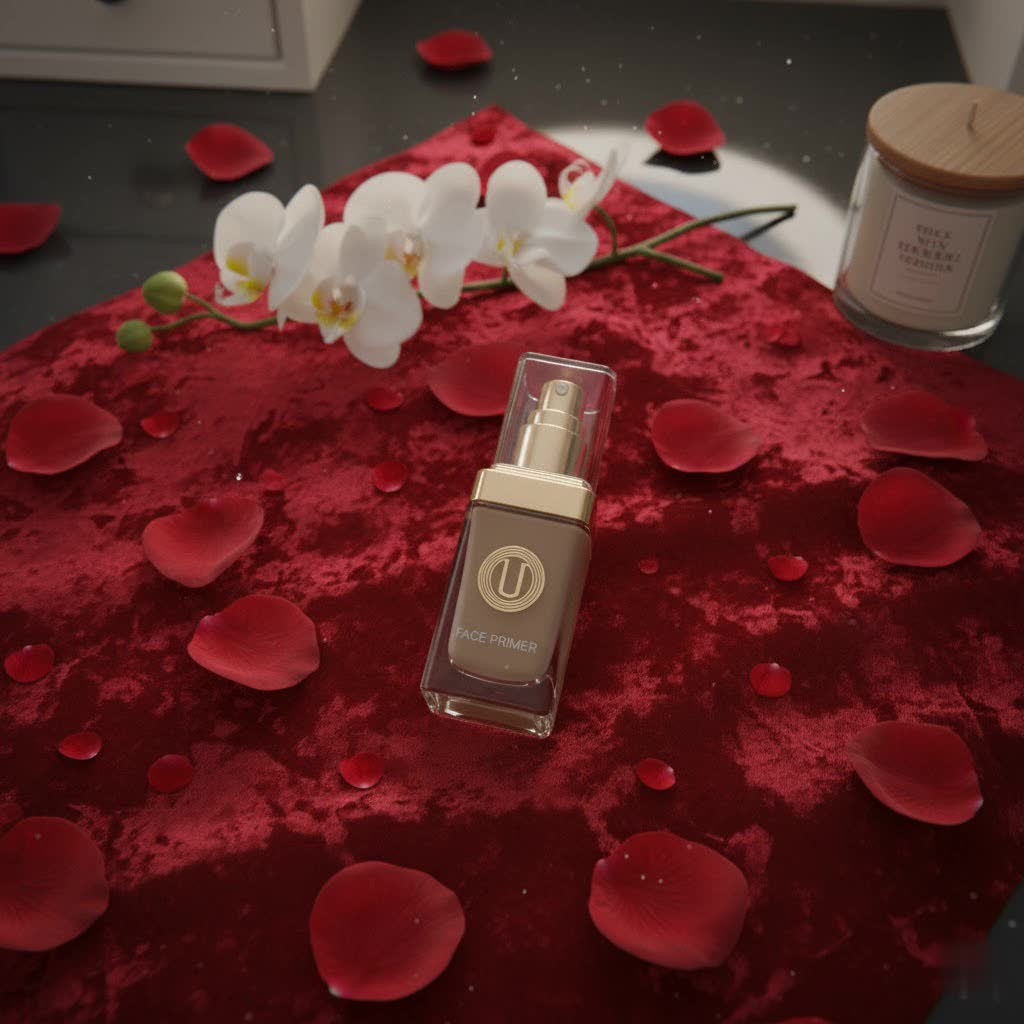
At its core, a matte face primer is your secret ally for creating a smooth, shine-free canvas before you even touch your foundation. Unlike its hydrating or illuminating counterparts, a matte primer is specifically engineered to control excess oil production and reduce the appearance of unwanted shine throughout the day. It works diligently to minimize the look of pores and creates a velvety texture on your skin’s surface, ensuring your makeup not only looks impeccable but also lasts significantly longer. Think of it as the ultimate prep step, setting the stage for a polished and enduring makeup look.
The Science Behind the Smooth: Key Ingredients in Matte Primers
The magic behind a truly effective matte primer lies in its expertly chosen ingredients, each playing a crucial role in delivering that coveted shine-free finish.
- Silica: This mineral is a powerhouse for oil absorption, effectively controlling shine and creating a smooth, soft-focus effect on the skin without clogging pores.
- Silicones (like Dimethicone and Cyclopentasiloxane): These are the MVPs for creating that silky, blurred finish. They form a thin, invisible barrier on the skin, smoothing out imperfections like fine lines and enlarged pores, and allowing your foundation to glide on effortlessly.
- Kaolin or Bentonite Clay: These natural clays are renowned for their ability to draw out impurities and excess sebum, further enhancing oil control.
- Niacinamide (Vitamin B3): A multitasking superstar, niacinamide helps to regulate oil production, minimize pores, and can even reduce redness and soothe irritation, making it great for sensitive skin types.
- Salicylic Acid: Often found in primers targeting acne-prone skin, this gentle exfoliant works inside the pores to prevent breakouts and refine skin texture.
- Zinc PCA: This ingredient helps in controlling sebum while also supporting the overall health of your skin barrier.
These ingredients work in harmony to absorb excess oil, minimize the appearance of pores, and create a long-lasting matte finish, without necessarily drying out your skin.
Choosing Your Perfect Match: Matte Primers for Every Skin Type
Finding the right matte primer is about understanding your skin’s unique needs. While often associated with oily skin, matte primers can be strategically used by various skin types.
Matte Primer for Oily Skin: The Holy Grail for Shine Control
|
Our Picks for the Best Face Primer in 2026
As an Amazon Associate I earn from qualifying purchases.
|
||
| Num | Product | Action |
|---|---|---|
| 1 | 3 In 1Primer for Face Before Makeup,Sunscreen Isolation Cream, SPF 50, One Step Color Corrector Face Primer, Blurs Imperfections Oil Control & Moisturizing Skin Tone Correcting,Radiance Skin |

|
| 2 | e.l.f. Power Grip Primer, Gel-Based & Hydrating Face Primer For Smoothing Skin & Gripping Makeup, Moisturizes & Primes, 0.811 Fl Oz (24 ml.) |
|
| 3 | e.l.f. Power Grip Primer Mini, Gel-Based & Hydrating Face Primer For Smoothing Skin & Gripping Makeup, Moisturizes & Primes |
|
| 4 | F.O.X STUNNING MAKEUP PRIMER-Green |
|
| 5 | e.l.f. Hydrating Face Primer, Makeup Primer For Flawless, Smooth Skin & Long-Lasting Makeup, Fills In Pores & Fine Lines, Vegan & Cruelty-free, Small |
|
| 6 | e.l.f. Liquid Poreless Putty Primer, Lightweight Face Primer For Long-lasting Makeup Wear, Creates A Smooth Complexion, Vegan & Cruelty-free |
|
| 7 | e.l.f. Hydrating Face Primer, Makeup Primer For Flawless, Smooth Skin & Long-Lasting Makeup, Fills In Pores & Fine Lines, Vegan & Cruelty-free, Large |
|
| 8 | Maybelline Grippy Serum Primer, Hydrating Makeup Primer with 2% Niacinamide For Up To 24HR Make Up Wear, Clear, 1 Count |
|
| 9 | e.l.f. Power Grip Primer + 4% Niacinamide, Gel-Based & Hydrating Face Primer, Evens Skin & Brightens, Grips Makeup, Vegan & Cruelty-Free, 0.8 Fl Oz |
|
| 10 | LAURA GELLER NEW YORK Spackle Primer - Hydrate - Super-Size 2 Fl Oz - Hyaluronic Acid Makeup Primer for Mature Skin |
|
If you have oily skin, a matte primer will likely become your new best friend. These formulas are specifically designed to manage sebum production and dramatically reduce midday shine, providing a non-greasy solution that keeps your complexion looking fresh all day. Look for primers with ingredients like silica, kaolin clay, or niacinamide for maximum oil absorption and pore-refining benefits.
Matte Primer for Combination Skin: Targeting the T-Zone
For those with combination skin, where oiliness is concentrated in areas like the forehead, nose, and chin (the T-zone), a matte primer can be applied strategically to these areas only. This approach helps balance oiliness without causing dryness in other zones of your face.
Matte Primer for Normal Skin: Occasional Mattifying for Specific Looks
Even if you have normal skin, a matte primer can be incredibly useful, especially in humid climates or during warmer months when you might experience a little extra shine. It’s also excellent for achieving a specific, ultra-matte makeup look or ensuring your makeup lasts through a long event.
What About Dry or Sensitive Skin?
If you have dry skin, exercise caution. Heavy clay-based or alcohol-based formulas can be too drying. Instead, look for matte primers that include hydrating ingredients like glycerin or hyaluronic acid, and consider spot-applying only to the oilier areas if needed. For sensitive skin, avoid primers with strong fragrances, essential oils, or high concentrations of acids that could cause irritation. Non-comedogenic formulas are also crucial, especially for acne-prone skin, to prevent clogged pores and breakouts.
Your Step-by-Step Guide to Flawless Matte Primer Application
Achieving a seamless, long-lasting matte finish starts with proper application. Follow these steps for the best results:
- Start with Clean, Hydrated Skin: Always begin with a freshly cleansed and moisturized face. Allow your moisturizer to fully absorb before moving to primer.
- Dispense the Right Amount: A pea-sized amount is usually sufficient for your entire face. Remember, less is often more with primers – using too much can lead to pilling or a patchy finish.
- Target Application: Dot the primer onto areas prone to shine and enlarged pores, typically your T-zone (forehead, nose, and chin) and cheeks.
- Gently Pat or Smooth: Using your fingertips, gently pat or lightly smooth the primer into your skin. Avoid rubbing aggressively, as this can disrupt the primer’s film-forming properties. Focus on pressing it into pores for a blurring effect.
- Allow to Set: This is a crucial step! Give your matte primer a minute or two to fully set and dry down before applying any foundation or concealer. This allows it to create that ideal smooth, matte base and ensures better makeup adhesion.
- Follow with Foundation: Once the primer has set, proceed with your foundation as usual. You’ll notice how much more smoothly your makeup applies and how much longer it lasts.
Common Matte Primer Pitfalls and How to Avoid Them
Even with the perfect matte primer, sometimes things can go awry. Here are some common mistakes and how to fix them:
- Using Too Much Product: Over-applying primer can lead to a sticky texture, pilling, or cause your foundation to look heavy and cakey. Stick to a small, pea-sized amount.
- Not Letting It Set: Rushing to apply foundation before your primer has dried down is a recipe for a patchy, uneven finish. Patience is key!
- Applying It Incorrectly: Rubbing primer vigorously rather than patting or gently smoothing can prevent it from forming an even layer, diminishing its effectiveness.
- Ignoring Skin Prep: Skipping cleansing and moisturizing before primer can lead to an uneven base and can cause the primer to cling to dry patches or not adhere properly.
- Using the Wrong Primer for Your Skin Type: As we discussed, a heavy mattifying primer on dry skin can lead to discomfort or emphasize dryness. Always choose a formula tailored to your skin’s needs.
Beyond the Basics: Expert Tips for Matte Primer Perfection
For those looking to truly master their matte finish, consider these expert tips:
- Layering Primers: If you have combination skin, you might consider “multi-priming.” Apply a hydrating primer to drier areas and your matte primer strategically on oily zones like the T-zone.
- Seasonal Adjustments: Your skin’s needs can change with the weather. You might need more intense oil control in humid summer months and less in drier winter conditions.
- Targeted Touch-Ups: For midday shine, instead of reapplying primer, use blotting papers or a light dusting of translucent powder in oily areas to maintain your matte finish without disturbing your makeup.
- “Sandwich Method” for Longevity: As beauty specialist Christina Korouchtsidi, with over a decade of experience, often advises, “For extended wear, try the sandwich method: apply a thin layer of primer, let it set, apply your foundation, then lightly dust with setting powder. This creates multiple barriers that help your makeup stay fresh longer.”
FAQs about Matte Face Primer
Does matte primer go before or after moisturizer?
Matte primer should always be applied after your moisturizer and any other skincare serums, but before your foundation or other makeup products. Allow your moisturizer to fully absorb first.
Can I use matte primer every day?
Yes, you can use matte primer every day, especially if you have oily or combination skin and want to control shine and extend makeup wear. Just ensure it’s a non-comedogenic formula if you’re prone to breakouts.
Will matte primer make my foundation look flat?
Modern matte primers are formulated to control shine without making your complexion look dull or flat. They create a smooth, velvety base that allows your foundation to look natural while still being shine-free.
Is matte primer good for acne-prone skin?
Yes, many matte primers are excellent for acne-prone skin, especially those that are non-comedogenic and contain ingredients like salicylic acid which can help prevent breakouts.
How much matte primer should I use?
A pea-sized amount is typically enough for your entire face. For targeted application on the T-zone, you might use even less, focusing only on the areas that get oily.
The Final Word on Matte Face Primer
A matte face primer is far more than just another step in your makeup routine; it’s an essential tool for anyone seeking to conquer shine, blur imperfections, and achieve truly long-lasting, flawless makeup. By understanding its benefits, key ingredients, and how to choose and apply it correctly for your skin type, you can unlock a world of confidence and radiant, shine-free beauty. Don’t be afraid to experiment, find the matte face primer that works best for you, and share your experiences with the DSWCC community!
