If you’ve ever looked in the mirror midday and seen your meticulously applied makeup waging a losing battle against an oily T-zone, you know the struggle is real. For those of us blessed (or cursed, depending on the day) with oily skin, achieving a truly matte, long-lasting makeup look can feel like chasing a mirage. But what if I told you there’s a secret weapon, a true game-changer that can transform your complexion and keep shine at bay? Enter the face primer, specifically formulated for oily skin.
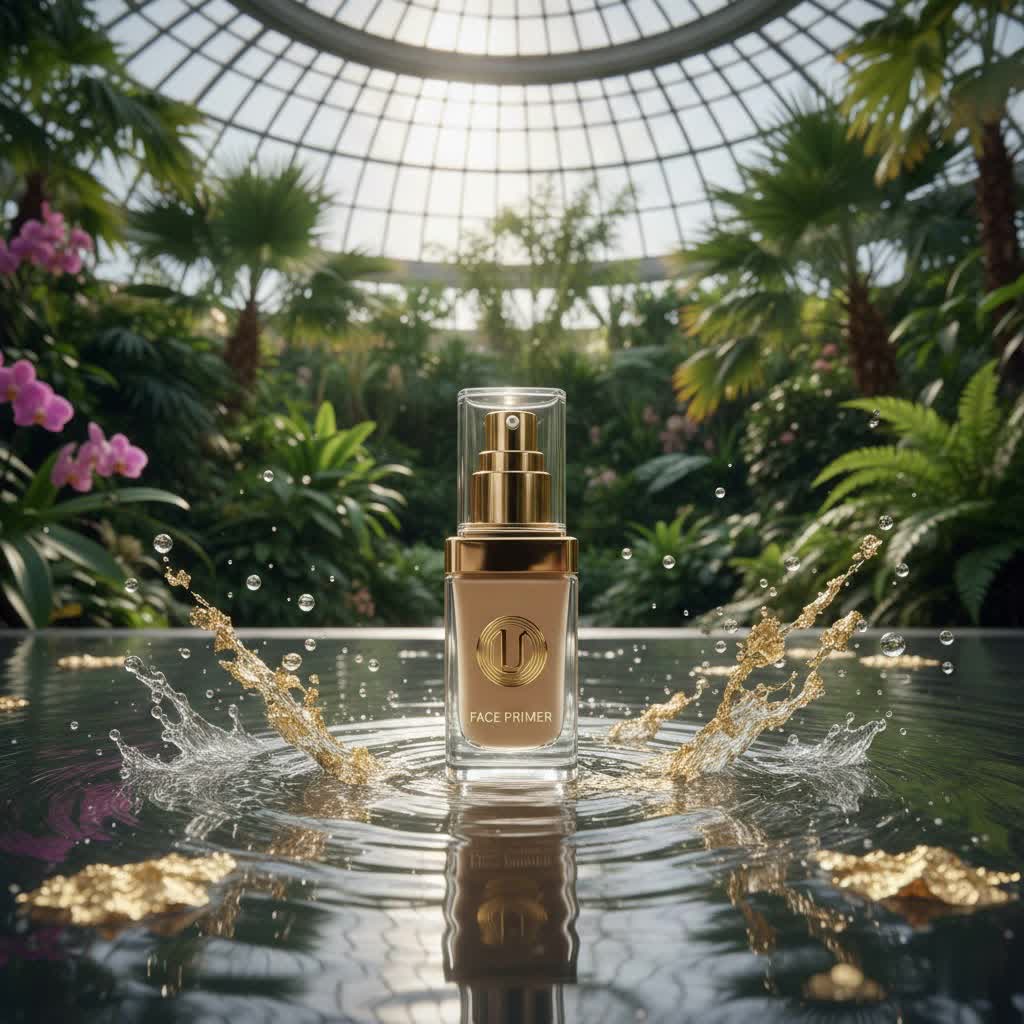
As a seasoned beauty expert with over a decade in the industry, I’ve seen countless product innovations, but the right face primer remains an unparalleled foundation (pun intended!) for anyone grappling with excess oil. It’s not just an extra step; it’s the crucial bridge between your skincare and your makeup, designed to tackle the unique challenges oily skin presents. This comprehensive guide will arm you with all the knowledge you need to confidently choose and use the best face primer for your oily skin, ensuring your makeup stays put and perfectly matte all day long.
Why is Face Primer Essential for Oily Skin?
Oily skin comes with its own set of characteristics: enlarged pores, a tendency for makeup to slide off, and that persistent shine, especially around the forehead, nose, and chin (the infamous T-zone). Without a proper base, foundation can quickly break down, crease, and even oxidize, leading to a dull or patchy appearance.
A high-quality face primer for oily skin acts as a protective shield and a perfecting canvas. It works by creating a barrier that prevents excess sebum from interacting directly with your makeup. The benefits are multifaceted:
- Controls Excess Oil and Shine: Mattifying primers absorb oil throughout the day, significantly reducing unwanted shine and keeping your complexion looking fresh.
- Minimizes the Appearance of Pores: Many primers contain blurring agents that fill in and smooth out enlarged pores, creating an even surface for foundation.
- Extends Makeup Wear: By gripping onto your foundation, primer prevents it from melting, fading, or creasing, ensuring your makeup lasts longer, even in challenging conditions.
- Creates a Smooth Canvas: It preps your skin, allowing foundation to glide on more smoothly and blend seamlessly, resulting in a more polished finish.
Decoding the Best: What to Look for in a Face Primer for Oily Skin
Choosing the right face primer for oily skin isn’t a one-size-fits-all situation. It’s about understanding what ingredients and formulations work best to address your specific concerns.
Oil-Controlling and Mattifying Ingredients
When your skin produces too much oil, you need a primer that actively combats shine. Look for these key players:
- Clay-Based Formulas: Ingredients like kaolin clay are excellent at absorbing excess sebum, providing a powerful mattifying effect. They can help draw out impurities while keeping your skin looking fresh.
- Acid-Based Formulations (e.g., Salicylic Acid): These can be beneficial, especially if your oily skin is also prone to breakouts. Salicylic acid works by exfoliating inside the pores, helping to keep them clear and regulate oil production.
- Silicones (e.g., Dimethicone, Polysilicone): Often misunderstood, silicones are a powerhouse for oily skin. They create a smooth, breathable film on the skin’s surface, blurring pores and fine lines without clogging them. They also provide that silky, velvety feel that helps makeup adhere.
- Blue Agave Extract: Some newer formulations incorporate natural extracts like blue agave, known for its gripping properties that help makeup stick to the skin without feeling sticky.
|
Our Picks for the Best Face Primer in 2026
As an Amazon Associate I earn from qualifying purchases.
|
||
| Num | Product | Action |
|---|---|---|
| 1 | e.l.f. Hydrating Face Primer, Makeup Primer For Flawless, Smooth Skin & Long-Lasting Makeup, Fills In Pores & Fine Lines, Vegan & Cruelty-free, Large |

|
| 2 | LAURA GELLER NEW YORK Spackle Primer - Hydrate - Super-Size 2 Fl Oz - Hyaluronic Acid Makeup Primer for Mature Skin |
|
| 3 | F.O.X STUNNING MAKEUP PRIMER-Green |
|
| 4 | e.l.f. Hydrating Face Primer, Makeup Primer For Flawless, Smooth Skin & Long-Lasting Makeup, Fills In Pores & Fine Lines, Vegan & Cruelty-free, Small |
|
| 5 | e.l.f. Power Grip Primer Mini, Gel-Based & Hydrating Face Primer For Smoothing Skin & Gripping Makeup, Moisturizes & Primes |
|
| 6 | Maybelline Grippy Serum Primer, Hydrating Makeup Primer with 2% Niacinamide For Up To 24HR Make Up Wear, Clear, 1 Count |
|
| 7 | e.l.f. Power Grip Primer, Gel-Based & Hydrating Face Primer For Smoothing Skin & Gripping Makeup, Moisturizes & Primes, 0.811 Fl Oz (24 ml.) |
|
| 8 | e.l.f. Power Grip Primer + 4% Niacinamide, Gel-Based & Hydrating Face Primer, Evens Skin & Brightens, Grips Makeup, Vegan & Cruelty-Free, 0.8 Fl Oz |
|
| 9 | e.l.f. Liquid Poreless Putty Primer, Lightweight Face Primer For Long-lasting Makeup Wear, Creates A Smooth Complexion, Vegan & Cruelty-free |
|
| 10 | 3 In 1Primer for Face Before Makeup,Sunscreen Isolation Cream, SPF 50, One Step Color Corrector Face Primer, Blurs Imperfections Oil Control & Moisturizing Skin Tone Correcting,Radiance Skin |
|
Skin-Benefiting Ingredients for Balance
While oil control is paramount, completely stripping your skin of moisture can backfire, causing it to produce even more oil. The best primers for oily skin strike a balance:
- Hyaluronic Acid: Yes, even oily skin needs hydration! Hyaluronic acid draws moisture into the skin, keeping it plump and preventing dehydration, which can sometimes trigger increased oil production.
- Niacinamide (Vitamin B3): This multi-tasking ingredient helps to reduce the appearance of enlarged pores, regulate sebum production, and improve overall skin texture and tone.
- Vitamins A & E: These antioxidants can offer anti-aging benefits, help reduce inflammation, and support healthy skin function. Vitamin A, in particular, can assist with skin texture and pigmentation.
- Aloe Vera: Known for its soothing properties, aloe vera can help calm the skin and provide light hydration without adding grease.
Texture and Finish
Primers for oily skin come in various textures, each offering a slightly different experience:
- Gels and Liquids: These are typically lightweight and absorb quickly, making them popular choices for a barely-there feel.
- Creams and Balms: While often richer, modern cream and balm primers designed for oily skin are formulated to be non-greasy and provide excellent blurring and mattifying benefits. Stick primers, a balm variation, offer convenient, mess-free application.
- Putty Primers: These have a unique, denser texture that is exceptional at filling in pores and creating an ultra-smooth canvas.
Always look for labels like “oil-free,” “mattifying,” “shine control,” “pore-minimizing,” and “non-comedogenic” (meaning it won’t clog pores).
How to Apply Face Primer for Oily Skin Like a Pro
Applying primer correctly is just as important as choosing the right one. Here’s a step-by-step guide to maximize its benefits:
- Start with a Clean Canvas: Begin with freshly cleansed and lightly moisturized skin. Allow your moisturizer to fully absorb for a few minutes before applying primer.
- Less Is More: You don’t need a lot of product. A pea-sized amount is usually sufficient for your entire face. Applying too much can lead to pilling or a heavy feeling.
- Target Oily Areas First: Focus the primer application on your T-zone (forehead, nose, chin) and any other areas where you experience excessive oiliness or visible pores.
- Gently Blend: Use your fingertips to gently pat and blend the primer into your skin. Avoid harsh rubbing or tugging, as this can irritate the skin and disrupt previous skincare layers.
- Allow to Set: Give the primer a minute or two to fully set and dry down before moving on to your foundation. This allows it to create the optimal base for makeup adherence.
- Pair with Appropriate Makeup: For best results, follow up with an oil-free or mattifying foundation and consider using a light dusting of setting powder on top for extra oil control and longevity.
Top Picks: Our Favorite Face Primers for Oily Skin (Expert & User Approved)
Based on extensive testing and expert analysis, the best primers for oily skin generally fall into categories that address specific concerns:
- Mattifying & Oil-Absorbing Primers: These are formulated to be true oil-suckers, often containing clays or finely milled powders to soak up excess sebum and deliver an intense matte finish that lasts for hours. They are perfect for those with extremely oily skin.
- Pore-Minimizing & Blurring Primers: Leveraging silicone-based formulas, these primers excel at creating a soft-focus effect, visibly blurring enlarged pores and fine lines. They provide a smooth, airbrushed look, making your skin appear flawless under makeup.
- Long-Lasting & Humidity-Resistant Primers: For those living in humid climates or needing their makeup to withstand sweat and activity, these primers form a robust barrier, ensuring your foundation stays locked in place without melting or migrating.
- Acne-Friendly Primers: If you have oily skin that’s also prone to breakouts, look for primers with non-comedogenic formulas and beneficial ingredients like salicylic acid or niacinamide, which help address blemishes while priming the skin.
Common Face Primer Mistakes to Avoid on Oily Skin
Even with the right product, improper application can undermine its effectiveness. Watch out for these common pitfalls:
- Applying Too Much Product: A thick layer of primer won’t make it work better; it can actually make your makeup pill, look cakey, or feel heavy. A thin, even layer is all you need.
- Not Letting It Dry Down: Rushing to apply foundation before your primer has fully set can cause your makeup to smudge or not adhere properly. Patience is key.
- Skipping Proper Skincare: Primer isn’t a replacement for your skincare routine. Ensure you’re cleansing and moisturizing your skin adequately before primer application, as this creates the best possible base.
- Using a Primer Not Suited for Oily Skin: A hydrating or dewy primer, while great for dry skin, will only exacerbate shine on an oily complexion. Always choose a primer specifically designed for oil control and mattifying effects.
Expert Insights: Beyond the Primer Bottle
“Understanding your skin’s unique needs is the first step towards a flawless complexion,” says Dr. Evelyn Reed, a renowned dermatologist and cosmetic chemist. “For oily skin, a primer formulated with ingredients like silica or mattifying polymers is essential to absorb excess oil. But don’t forget the supporting cast: a consistent skincare routine with gentle cleansers and non-comedogenic moisturizers will truly optimize your primer’s performance.”
Beyond your primer, these tips can help maintain a shine-free complexion:
- Blotting Papers: Keep a pack handy for quick, discreet touch-ups throughout the day to absorb excess oil without disturbing your makeup.
- Weekly Exfoliating Masks: Incorporating a clay-based or salicylic acid mask once or twice a week can help keep pores clear and regulate oil production over time.
- Double Cleansing: Starting with an oil cleanser followed by a water-based cleanser ensures all makeup, SPF, and excess oil are thoroughly removed, preventing clogged pores.
- Lighter Makeup Formulas: On top of your primer, consider using powder foundations or lightweight, oil-free liquid foundations specifically designed for oily skin to further enhance longevity and a matte finish.
FAQ: Your Face Primer Questions Answered
Q1: How often should I use face primer?
You can use face primer every day if you wear makeup daily and want to control oil and extend wear. It’s designed to be a regular part of your makeup routine.
Q2: Can I wear primer without foundation?
Absolutely! Many people with oily skin use a mattifying or blurring primer on its own to reduce shine, minimize pores, and create a smoother, more even complexion without applying full makeup.
Q3: Is silicone bad for oily skin?
Contrary to popular misconception, silicones like dimethicone are generally not bad for oily skin. They are non-comedogenic, meaning they won’t clog pores, and they create a smooth barrier that helps blur imperfections and hold makeup in place effectively.
Q4: What’s the difference between a mattifying primer and a hydrating primer?
A mattifying primer is specifically formulated to absorb excess oil and reduce shine, often containing ingredients like clay or silica. A hydrating primer, on the other hand, is designed to infuse the skin with moisture, making it ideal for dry or dehydrated skin types.
Q5: How do I know if a primer is “non-comedogenic”?
Look for the term “non-comedogenic” explicitly stated on the product packaging. This indicates that the product has been formulated and tested to not clog pores, which is crucial for preventing breakouts on oily and acne-prone skin.
Embrace Your Best Skin Yet!
Navigating the world of makeup with oily skin doesn’t have to be a constant battle. With the right face primer, you gain a powerful ally that not only tames shine but also perfects your complexion, making your makeup look flawless and last longer. By understanding key ingredients, mastering application techniques, and choosing products tailored to your needs, you can transform your makeup routine and confidently flaunt a beautiful, shine-free finish from morning till night.
So go ahead, find your perfect match, and share your shine-free success stories with the DSWCC community! We’re here to empower you with the knowledge to make informed choices and feel beautiful in your skin.
