As a seasoned makeup artist with over a decade in the beauty industry, I’ve seen countless trends come and go, but one product has consistently remained a non-negotiable in achieving a truly impeccable makeup look: a Good Face Primer. Often overlooked, this unsung hero bridges the gap between your skincare and makeup, transforming your complexion into the perfect canvas. Think of it as the foundation for your foundation, ensuring everything that follows adheres beautifully and lasts longer than you thought possible.
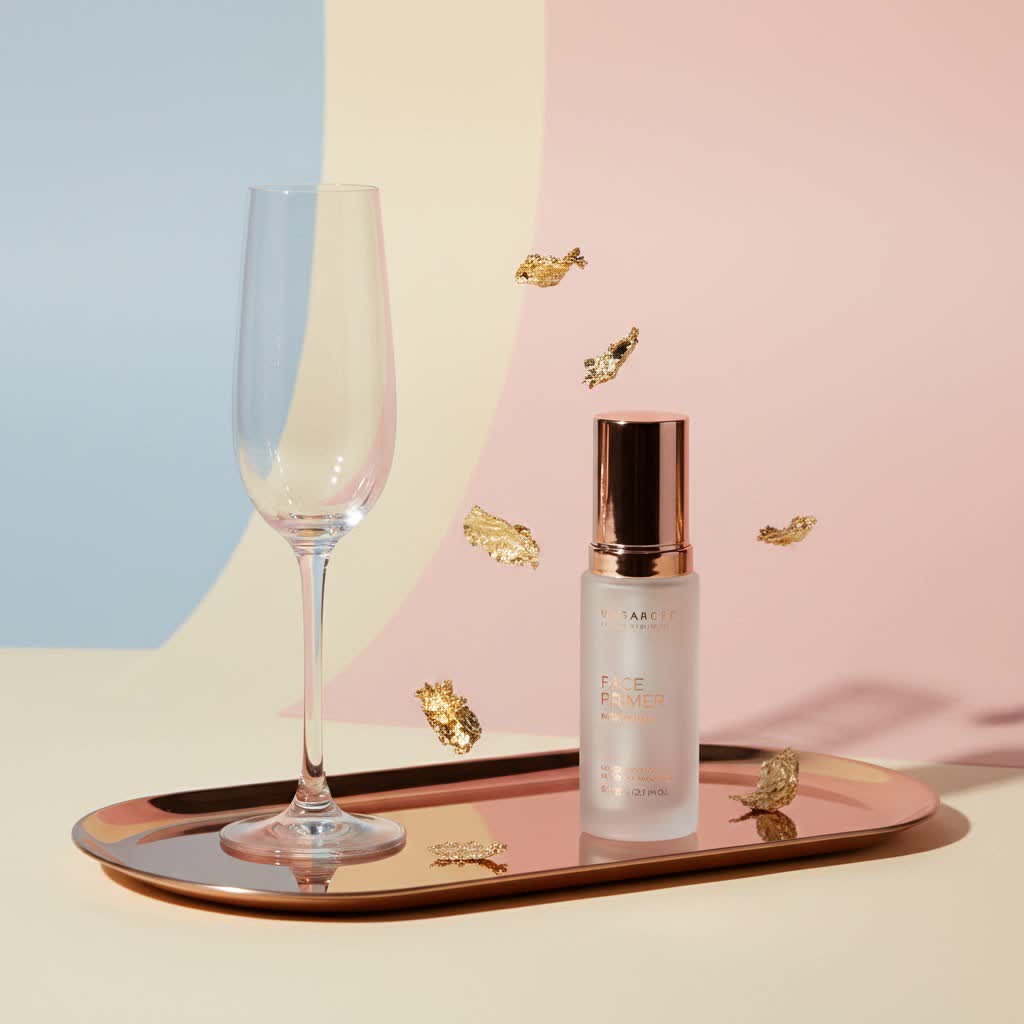
But with a dizzying array of options, how do you find your perfect match? Choosing a good face primer isn’t just about picking any tube off the shelf; it’s about understanding your skin’s unique needs and what you want your makeup to achieve. Let’s dive deep into the world of face primers, from their magical benefits to selecting and applying them like a pro.
Why a Good Face Primer is Your Makeup’s Best Friend
You might wonder if adding yet another step to your routine is truly necessary. The answer, from years of professional experience, is a resounding yes! A good face primer offers a multitude of benefits that elevate your entire makeup game. It creates a smooth, even surface, helping your foundation glide on effortlessly and preventing it from settling into fine lines or pores. Beyond smoothing, primers are formulated to address specific concerns, extending your makeup’s wear time and enhancing its overall appearance.
“A well-chosen face primer is like laying the perfect groundwork for a masterpiece,” explains Clara Davies, Lead Beauty Strategist at DSWCC. “It’s not just about making makeup last; it’s about optimizing skin texture, controlling oil, boosting radiance, and even providing skincare benefits that set the stage for a truly flawless finish.” Primers can offer long-wear capabilities, excellent oil control, intense hydration, color correction, or a blurring effect to refine skin texture. Many even boast skincare benefits, such as anti-aging ingredients or SPF protection, contributing to healthier skin over time.
Decoding Primer Types: Finding Your Good Face Primer Match
The key to unlocking the full potential of a face primer lies in selecting one tailored to your skin type and desired outcome. Let’s break down the different categories of good face primer options available:
For Oily & Combination Skin: The Mattifying & Pore-Blurring Saviors
|
Our Picks for the Best Face Primer in 2026
As an Amazon Associate I earn from qualifying purchases.
|
||
| Num | Product | Action |
|---|---|---|
| 1 | e.l.f. Power Grip Primer + 4% Niacinamide, Gel-Based & Hydrating Face Primer, Evens Skin & Brightens, Grips Makeup, Vegan & Cruelty-Free, 0.8 Fl Oz |

|
| 2 | e.l.f. Hydrating Face Primer, Makeup Primer For Flawless, Smooth Skin & Long-Lasting Makeup, Fills In Pores & Fine Lines, Vegan & Cruelty-free, Small |
|
| 3 | e.l.f. Power Grip Primer Mini, Gel-Based & Hydrating Face Primer For Smoothing Skin & Gripping Makeup, Moisturizes & Primes |
|
| 4 | e.l.f. Power Grip Primer, Gel-Based & Hydrating Face Primer For Smoothing Skin & Gripping Makeup, Moisturizes & Primes, 0.811 Fl Oz (24 ml.) |
|
| 5 | e.l.f. Hydrating Face Primer, Makeup Primer For Flawless, Smooth Skin & Long-Lasting Makeup, Fills In Pores & Fine Lines, Vegan & Cruelty-free, Large |
|
| 6 | 3 In 1Primer for Face Before Makeup,Sunscreen Isolation Cream, SPF 50, One Step Color Corrector Face Primer, Blurs Imperfections Oil Control & Moisturizing Skin Tone Correcting,Radiance Skin |
|
| 7 | F.O.X STUNNING MAKEUP PRIMER-Green |
|
| 8 | e.l.f. Liquid Poreless Putty Primer, Lightweight Face Primer For Long-lasting Makeup Wear, Creates A Smooth Complexion, Vegan & Cruelty-free |
|
| 9 | LAURA GELLER NEW YORK Spackle Primer - Hydrate - Super-Size 2 Fl Oz - Hyaluronic Acid Makeup Primer for Mature Skin |
|
| 10 | Maybelline Grippy Serum Primer, Hydrating Makeup Primer with 2% Niacinamide For Up To 24HR Make Up Wear, Clear, 1 Count |
|
If you battle with excess shine, especially in your T-zone, or large, visible pores, a mattifying and pore-blurring primer is your best bet. These primers typically contain ingredients that absorb excess oil throughout the day, keeping your complexion shine-free. Many are silicone-based, using ingredients like dimethicone to create a silky-smooth surface that visibly blurs pores and fine lines, providing a flawless base for your foundation. They’re designed to give a matte finish, ensuring your makeup stays put without slipping or looking greasy.
For Dry & Dehydrated Skin: Hydration-Boosting & Luminous Finishes
For those with dry or parched skin, a hydrating and radiant primer is a game-changer. These primers are packed with moisture-binding ingredients like hyaluronic acid, glycerin, or coconut water, which help to plump the skin and lock in hydration. They create a dewy, healthy-looking glow, preventing makeup from clinging to dry patches or looking flat. Often water-based, they impart a fresh, natural finish that leaves your skin feeling comfortable and looking luminous all day. A good face primer for dry skin will make your complexion feel supple and radiant.
For Mature Skin: Smoothing Fine Lines & Boosting Radiance
Mature skin often benefits from primers that offer both hydration and a blurring effect for fine lines and wrinkles. Look for formulas with plumping ingredients, antioxidants, and a slightly illuminating finish. These primers help to create a smoother texture, minimize the appearance of fine lines, and give the skin a youthful, radiant glow. They provide a soft-focus effect that prepares the skin beautifully for makeup, ensuring it doesn’t settle into creases.
For Sensitive & Acne-Prone Skin: Gentle & Non-Comedogenic Options
If your skin is prone to sensitivity or breakouts, choosing a good face primer requires extra care. Opt for non-comedogenic formulas that won’t clog pores, and look for soothing ingredients like green tea extract or anti-inflammatory components. Some primers designed for acne-prone skin may even contain salicylic acid derivatives to help manage blemishes while preparing the skin for makeup, ensuring a calmer, more even-toned complexion without exacerbating irritation.
Color-Correcting & Illuminating Primers: Targeting Specific Concerns
Beyond skin type, primers can also address specific complexion concerns:
- Color-Correcting Primers: These use subtle tints to neutralize discoloration. Green primers combat redness, while lavender or peach tones brighten dullness and sallowness.
- Illuminating Primers: Infused with fine pearlescent particles, these primers add a soft, subtle glow to the skin, perfect for achieving a lit-from-within look. A good face primer with illuminating properties can be worn alone or under makeup for an extra boost of radiance.
The Art of Application: How to Use Your Good Face Primer Effectively
Applying face primer correctly is just as important as choosing the right one. It’s the final step in your skincare routine and the first step in your makeup application.
- Start with Clean, Moisturized Skin: Always begin with a freshly cleansed face, followed by your regular moisturizer and SPF. Give your moisturizer a minute or two to fully absorb before reaching for your primer.
- Less is More: You only need a pea-sized amount of most primers. Applying too much can lead to pilling or a heavy feeling.
- Warm it Up (Optional): For creamier or thicker primers, you can gently warm the product between your fingertips for easier, smoother application.
- Apply Evenly: Using your fingertips, a brush, or a makeup sponge, gently spread the primer evenly across your face. Focus on areas where you typically experience shine, large pores, or fine lines. Many professionals find that applying with a brush first, then using fingertips to gently press and smooth, gives the best result.
- Let it Set: This is crucial! Give your primer a full minute or two to dry down and create its film before applying foundation. Rushing this step is a common mistake that can lead to patchy makeup or pilling.
- Compatibility Check: Be mindful of your primer’s base. If you’re using a silicone-based primer (often feels slick or velvety), pair it with a silicone-based foundation. Similarly, water-based primers typically work best with water-based foundations. Mixing bases can cause your makeup to separate, coagulate, or “pill” on the skin.
Common Primer Mistakes to Avoid for a Flawless Look
Even with a good face primer in hand, common missteps can hinder your desired flawless finish:
- Ignoring Your Skin Type: Using a mattifying primer on dry skin will only accentuate dryness, while a hydrating primer on oily skin can lead to excess shine. Always match the primer to your skin’s needs.
- Applying Too Much: Over-priming is a real thing! Too much product can feel heavy, prevent subsequent makeup from adhering properly, and cause pilling.
- Not Letting it Dry: Patience is a virtue in makeup application. Skipping the drying time allows your primer and foundation to mix rather than layer, compromising the primer’s benefits.
- Incompatible Formulas: As mentioned, mixing water-based and silicone-based products can lead to frustrating pilling and patchy application. Always check the ingredient list for the base of both your primer and foundation.
- Skipping Skincare: Primer is a makeup step, not a skincare replacement. It performs best on well-prepped, moisturized skin.
Expert Picks: Top-Rated Good Face Primers You Might Love
While specific product recommendations can vary based on formulations and personal preferences, here are some widely celebrated types of good face primer that consistently deliver on their promises:
- For All-Day Makeup Grip: Look for gel-textured primers that create a slightly tacky, yet comfortable, film on the skin, literally “gripping” your makeup for exceptional longevity. These are excellent for ensuring your look stays flawless from morning to night.
- Best Drugstore Discoveries: Many affordable brands offer fantastic pore-erasing and mattifying primers that deliver professional results without breaking the bank. These often feature silicone bases that instantly smooth the complexion.
- For the “Lit From Within” Glow: Seek out serum-like primers infused with brightening ingredients like niacinamide and glycerin. These not only hydrate but also reduce redness and impart a healthy, luminous radiance.
- Pore Perfectionists: Primers that excel at blurring large pores often have a putty-like or velvety gel consistency. They fill in texture irregularities, creating an airbrushed effect.
Frequently Asked Questions (FAQ) About Good Face Primer
What exactly does face primer do?
A good face primer smooths out the skin, fills in any fine lines or dry spots to help makeup lie evenly, and extends the wear time of your makeup, keeping it in place and often addressing specific concerns like oiliness or dryness.
Can I skip primer in my makeup routine?
While you certainly can skip primer, it’s a step that significantly enhances the longevity and finish of your makeup. For important events or long days, it’s highly recommended to use a good face primer to ensure your look stays fresh and flawless.
How much face primer should I use for my entire face?
Generally, a pea-sized amount is sufficient for your entire face. Applying more than this can lead to a heavy feeling or cause your makeup to pill.
Can I use face primer on my eyelids instead of an eyeshadow primer?
You can use a face primer for oily skin on your eyelids, as it may help with oil control. However, dedicated eyeshadow primers are specifically formulated to create a more vibrant, creaseless, and long-lasting base for eyeshadow, offering superior performance compared to a general face primer.
What’s the difference between a face primer and a setting spray?
A face primer is applied before makeup to create a smooth canvas, address skin concerns, and extend makeup wear from underneath. A setting spray is applied after makeup to meld all the layers together, remove any powdery finish, and lock the entire look in place for added longevity. They serve complementary but distinct purposes.
The Final Polish
Ultimately, incorporating a good face primer into your routine is a transformative step that every makeup enthusiast deserves to experience. It’s an investment in the longevity and perfection of your makeup, ensuring you always put your best face forward. Experiment with different types, understand your skin’s unique dialogue, and you’ll quickly discover the profound difference a quality primer can make. So go ahead, find your perfect good face primer, and empower your makeup to not just look good, but to stay impeccable, radiant, and confident all day long.
